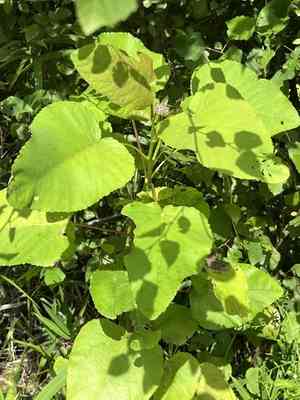
Swamp cottonwood (Populus heterophylla)
Also known as: Swamp Cottonwood
A separated population of the species was found in the fall of 2002 on a flat clay plain near Lake St. Clair in southwestern Ontario, Canada.
In This Article
Attributes of Swamp cottonwood
Lifespan
Perennial
Plant Type
Tree
Plant Height
20-30 meters
Spread
15-20 meters
Leaf Color
Green
Flower Size
2.5 cm
Flower Color
White
Images of Swamp cottonwood
Quickly Identify Swamp cottonwood
1
Distinct ovoid green capsules containing small, downy seeds for wind dispersal.
2
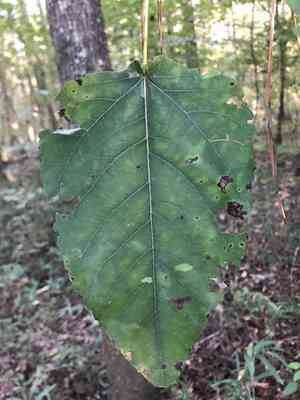
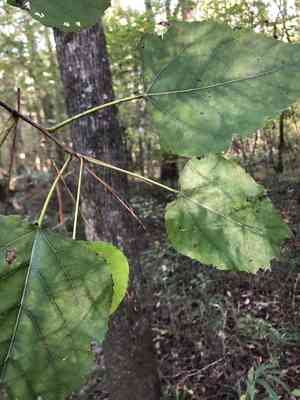
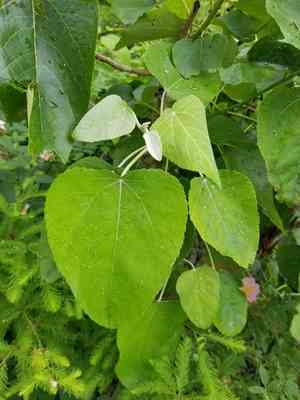
Broadly ovate leaves with serrated margins, heart-shaped base, and green upper surface.
3
Male catkins densely packed with small non-petaled flowers for wind pollination.
4
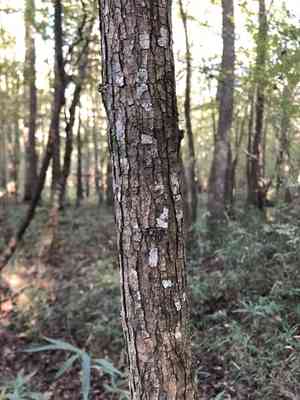
Deeply furrowed and vertically ridged bark transitioning from greenish-gray to darker gray.
5
Impressive heights of 70-90 feet (21-27 meters) with a substantial diameter of 2-3 feet (60-90 cm).
Scientific Classification of Swamp cottonwood
Phylum
Vascular plants
Class
Dicotyledons
Order
Malpighiales
Family
Willow
Genus
Populus
Species
Swamp cottonwood
Planting and Growing of Swamp cottonwood
Care Difficulty
Easy
Watering Schedule
Every 3 days
Sunlight Requirements
Full sun
Sunshine Duration
4-8 hours
Ideal Temperature
55-75℉
Soil Type
Potting Mix, Peat Mix
Soil pH
6.5-7.5
Fertilizer Type
Balanced
Pruning Season
Spring, Summer
Pruning Area
Branches, Leaves
Pruning Frequency
2 times a year
Repotting Season
Spring
Pot Type
Plastic, Ceramic
 How to Water Swamp cottonwood?
The watering amount should be generous, ensuring that the soil is thoroughly moist but not waterlogged. About 1000 ml per session is generally sufficient, depending on the weather conditions. The goal is to maintain evenly moist soil, without letting it become either too dry or too soggy.
What are the symptoms of an underwatered Swamp cottonwood?
›
What should I do if my Swamp cottonwood is not getting enough water?
›
What are the symptoms of an overwatered Swamp cottonwood?
›
How to save an overwatered Swamp cottonwood?
›
 What Are the Sunlight Requirements for Swamp cottonwood?
Full sun to partial sun is best for Populus heterophylla. Adequate light enhances its foliage density and overall plant vigor, supporting ecological contributions and visual appeal.
How much sun exposure is needed?
›
Solutions for ideal sun exposure
›
Benefits of ideal light conditions
›
 What Is the Ideal Temperature Range for Swamp cottonwood?
Populus heterophylla thrives in temperatures between 55°F to 75°F. This range facilitates optimal photosynthesis and nutrient uptake, ensuring robust growth and healthy foliage.
 What Soil is Best for Swamp cottonwood?
Populus heterophylla thrives in nutrient-rich soil, which supplies essential minerals and organic matter required for optimal growth. This type of soil supports robust root development and overall plant health. Well-drained soil is crucial for Populus heterophylla to prevent root rot and ensure proper aeration. This type of soil allows excess water to move away, keeping roots healthy and promoting vigorous growth. A consistently moist soil environment helps to maintain Populus heterophylla hydration, especially during dry spells. Maintaining moisture levels in the soil supports the plant's photosynthesis and metabolic activities.
 How to Fertilize Swamp cottonwood?
For Populus heterophylla, the ideal fertilization amount involves applying a balanced 10-10-10 liquid fertilizer diluted to half the recommended strength. Each application should sufficiently cover the root zone, typically requiring about 0.5 gallons per young tree and increasing to 2 gallons for mature trees. Avoid over-fertilization as this can lead to nutrient runoff and potential damage to the plant’s root system.
 How to Prune Swamp cottonwood?
Start by identifying any dead or damaged branches as these should be removed first to prevent disease. Next, look for branches that are crossing or rubbing against each other, which can lead to wounds and promote infection. Use clean, sharp pruning shears or a saw depending on the size of the branches. Make your cuts just outside the branch collar, which is the swollen area where the branch meets the trunk. This allows for proper healing. Aim to achieve an open canopy allowing light and air to circulate through the plant, which helps reduce the risk of fungal diseases.
More About Pruning Techniques→
 How to Propagate Swamp cottonwood plant?
1
Gather seeds from mature Populus heterophylla trees during the spring when they are ripe. Ensure the seeds are from healthy, disease-free trees for optimal germination success.
2
Select 6-12 inch healthy cuttings from mature trees during the early spring. Ensure each cutting has several leaf nodes, as these are sites for potential root growth.
3
In late spring, collect root pieces from established trees. Cut segments about 3-5 inches long, ensuring that the root sections are healthy and disease-free.
 How to Repot Swamp cottonwood plant?
1
Populus heterophylla, commonly known as the Swamp Cottonwood, shows signs of needing repotting when its roots start to grow through the drainage holes of the current container. Additionally, if you see a significant reduction in growth, it might be a signal that the plant requires more space to thrive. The ideal time to repot is during the spring when the plant begins its new growth cycle, as this allows it to establish itself in the new soil before the more demanding vegetative period.
2
Select a pot that is 2-4 inches larger in diameter than the current one. This ensures that there is adequate room for root expansion without overwhelming the plant with excessive space, which can lead to overwatering issues. A pot with good drainage is essential to prevent root rot, a common issue for this species when left in overly saturated soil.
3
Opt for a well-draining loamy soil that retains moisture while allowing excess water to escape easily, thus mimicking the Swamp Cottonwood's natural environment. Such soil ensures that roots are not drowned or left dry for too long. Adding organic matter like small amounts of compost can enhance soil fertility and support the plant's growth.



