
Moss rose (Portulaca grandiflora)
Also known as: Eleven O'Clock, Moss-Rose Purslane, Sun rose, Vietnam rose
Moss rose (Portulaca grandiflora) is a decorative, semi-succulent plant originating from South America. This low-maintenance plant is perfect for various garden settings such as annual flowerbeds, containers, and hanging baskets due to its trailing growth habit. Numerous cultivars are available, offering a wide range of vibrant colors, shapes, and petal counts in the flowers.
Attributes of Moss rose
Images of Moss rose
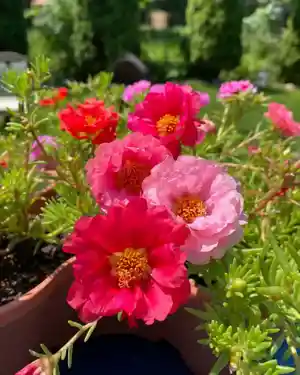

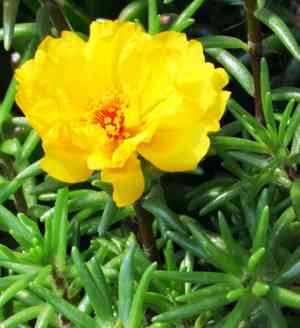
Quickly Identify Moss rose
Scientific Classification of Moss rose
Planting and Growing of Moss rose
 How to Water Moss rose?
 What Are the Sunlight Requirements for Moss rose?
 What Is the Ideal Temperature Range for Moss rose?
 What Soil is Best for Moss rose?
 How to Fertilize Moss rose?
 How to Prune Moss rose?
 How to Propagate Moss rose plant?
 How to Repot Moss rose plant?
Toxicity of Moss rose
Is Moss rose toxic to cat?
Moss rose presents a moderate level of toxicity risk for cats. If a cat consumes any portion of the plant, since all parts are harmful, it may suffer adverse effects. Such exposure usually takes place when the plant is ingested, potentially resulting in general signs of distress in felines. These symptoms could manifest as alterations in behavior, discomfort, or various indications of illness, although specific symptoms are not specified. Cat owners should remain vigilant for any behavioral changes in their pets and should seek veterinary assistance immediately if they believe their cat has ingested moss rose, in order to safeguard the health and well-being of their animal.
Is Moss rose toxic to dog?
Moss rose presents a moderate risk of toxicity to dogs. All parts of this plant are toxic, meaning that canines can be poisoned by consuming any portion of it. Signs of poisoning may manifest as gastrointestinal disturbances, vomiting, diarrhea, lethargy, or more serious symptoms, which can vary based on the quantity ingested. It's vital for dog owners to keep a close watch on their pets and restrict access to moss rose. Should there be any suspicion that a dog has ingested moss rose, prompt veterinary attention is crucial for ensuring appropriate treatment and symptom management.



