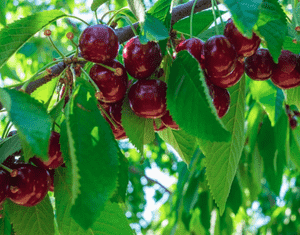
Sweet cherry(Prunus avium)

Sweet cherry (Prunus avium)

Also known as: Japanese Cherry , Mazzard, Massard

Sweet cherries are popular among fruit enthusiasts globally, offering flavors that range from sweet to slightly tart, depending on the variety. Beyond their delicious taste, sweet cherries serve several other purposes. They are used in culinary applications such as baking, making jams, and creating sauces. Sweet cherry extracts are valued in the cosmetic industry for their antioxidant properties. Additionally, the wood from cherry trees is prized in carpentry and is often used to craft high-quality furniture.

Attributes of Sweet cherry

Lifespan
Perennial
Plant Type
Tree
Plant Height
6 m to 25 m
Spread
8 m
Leaf Color
Green Orange Red
Flower Size
2.5 cm
Flower Color
White

PlantJoy - Identify plants with a snap

Identify and diagnose plants, get toxicity alerts, and explore safety guides for all types of fungi.

Try for Free

Images of Sweet cherry

Sweet cherry(Prunus avium)

Quickly Identify Sweet cherry

1
Alternative leaves with serrated edges and glands at base.
2
Clusters of 5-parted white flowers in small rounded arrangements.
3
Succulent drupes with yellow to red hues and large pits.
4
Vibrant green leaves, 2-5 inches (5-13 cm) long with toothed margins.
5
Horizontal lenticels on grey bark with prominent ridges and furrows.

Scientific Classification of Sweet cherry

Phylum
Vascular plants
Class
Dicotyledons
Order
Roses, elms, figs, and allies
Family
Rose
Genus
Prunus
Species
Sweet cherry

Planting and Growing of Sweet cherry

Care Difficulty
Moderate
Watering Schedule
Every 4 days
Sunlight Requirements
Full sun
Sunshine Duration
6-10 hours
Ideal Temperature
55-75℉
Soil Type
Potting Mix, Peat Mix
Soil pH
6.5-7.5
Fertilizer Type
Balanced
Pruning Season
Spring, Summer
Pruning Area
Branches, Leaves
Pruning Frequency
2 times a year
Repotting Season
Spring
Pot Type
Plastic, Ceramic

water icon How to Water Sweet cherry?

Prunus avium, or sweet cherry, requires watering until the soil is thoroughly moist but not waterlogged. Each watering session should deliver approximately 500 ml of water. This ensures moisture reaches deep roots without causing standing water, which can lead to root rot.
What are the symptoms of an underwatered Sweet cherry?
What should I do if my Sweet cherry is not getting enough water?
What are the symptoms of an overwatered Sweet cherry?
How to save an overwatered Sweet cherry?

sunlight icon What Are the Sunlight Requirements for Sweet cherry?

Sunlight Requirements: Full sun, Partial sun
Duration of light: 6 to 8 hours daily
Prunus avium prefers full to partial sun, making an outdoor planting in a sunny location ideal for optimal growth and fruiting. Adequate sunlight ensures improved fruit yield and healthier foliage.
What is the optimal light condition?
How to ensure ideal sunlight exposure?
Benefits of ideal sun exposure?

temperature icon What Is the Ideal Temperature Range for Sweet cherry?

Ideal Temperature: 55 ~ 75℉
The ideal temperature range for Prunus avium, or sweet cherry, is between 55°F and 75°F. This range allows the plant to thrive, ensuring optimal photosynthesis, growth, and fruit production. Maintaining temperatures within this range encourages healthy development of both foliage and fruit.

soil icon What Soil is Best for Sweet cherry?

Soil type: Loam, Sandy loam, Sandy soil
Soil PH: 6.5 ~ 7.5
Prunus avium thrives in well-drained soil because it prevents root rot by allowing excess water to runoff efficiently. This characteristic is vital for the health of the tree as it ensures that the roots can access ample air and moisture without becoming waterlogged. The tree flourishes in nutrient-rich soil, which supplies essential elements like nitrogen and potassium crucial for vibrant growth and fruit production. Ensuring a well-fertilized soil enhances flowering and fruiting cycles, leading to more abundant harvests. Soils that can retain moderate moisture levels without waterlogging are ideal for Prunus avium. Such soils provide the tree with a consistent supply of water, which is necessary for steady growth and fruit development, ensuring robust health throughout the seasons.

fertilize icon How to Fertilize Sweet cherry?

Fertilizer type: Balanced
Prunus avium, commonly known as sweet cherry, requires careful attention to fertilization amount. During the growing season, use about two ounces of balanced fertilizer per tree to support its lush growth and rich fruit production. Too much can damage the roots, so moderation is key.

prune icon How to Prune Sweet cherry?

Pruning Time: Spring, Summer, Autumn, Winter
Begin the pruning process by cutting away any dead, damaged, or diseased wood. These can be easily spotted as they typically look dry or are different in color compared to healthy branches. After removing deadwood, thin the interior canopy. This involves removing some of the smaller branches, especially those that cross one another. The goal is to improve airflow and sunlight penetration, which is crucial for optimal fruit production. Work towards creating a balanced structure. Prune back any overly long branches to maintain a pleasing shape and to ensure even growth throughout the tree. This helps prevent the tree from becoming lopsided or top-heavy. Prune in such a way to encourage the growth of fruiting branches. This means sometimes cutting back non-fruit bearing branches to redirect energy to those that will produce cherries. Aim for a balance between new growth and mature, fruiting wood.

propagate icon How to Propagate Sweet cherry plant?

Propagate Time: Spring, Early spring, Late spring
1
Collect seeds from ripe Prunus avium fruits. It is important to clean the seeds thoroughly by removing all fruit flesh to prevent mold growth during storage.
2
Take cuttings from healthy branches. Cut at a 45-degree angle, remove the lower leaves, and dip the cut end into rooting hormone to facilitate root development.
3
Select a healthy scion and rootstock. Ensure the cambium layers align properly, and wrap the graft union with grafting tape to secure it until the graft takes.

repot icon How to Repot Sweet cherry plant?

Repotting frequency: Every 2-3 years
1
Prunus avium, commonly known as the wild cherry, exhibits signs of needing repotting when its roots start to protrude from the drainage holes, or when its growth seems stunted despite good care. The ideal time for repotting is during early spring or autumn when the plant has a natural growth pause, reducing stress and facilitating recovery.
2
Select a pot that is a couple of inches larger in diameter than the current one. This provides ample space for the roots to grow without overwhelming them, which could lead to root rot if the soil retains too much moisture. Ensure the pot has sufficient drainage holes to prevent water accumulation.
3
Opt for a well-draining loamy soil mix that retains some moisture but does not remain soggy. Such soil helps accommodate the plant's nutrient needs efficiently while preventing waterlogged conditions, which are detrimental for Prunus avium's roots.

PlantJoy - Identify plants with a snap

Find the best spots for them to optimize their health, simply using your phone.

Try for Free

Toxicity of Sweet cherry

Is Sweet cherry toxic to humans?

The sweet cherry, akin to almost all species within the *Prunus* genus, contains cyanogenic compounds in each part of the plant, including its seeds, with the exception of the actual fruit. When a person consumes the seeds, leaves, or any other portions of the plant, these cyanotoxins are transformed into cyanide gas upon interacting with stomach acid. This gas is then absorbed through the mucous membranes, resulting in poisoning. Symptoms begin with agitation and evolve into weakness, loss of motor coordination and muscle spasms, difficulties in movement or speech, reduced respiratory rate and heartbeat, ultimately culminating in death.

Is Sweet cherry toxic to cat?

In addition to its vibrant and consumable fruit, every other component of the sweet cherry (Prunus avium) poses significant toxicity risks. The stems, seeds, blossoms, leaves, and pits all harbor small quantities of cyanide, which can cause symptoms such as shock, enlarged pupils, respiratory distress, and potentially death. It is strongly advised to seek veterinary assistance if there is any suspicion that a cat has ingested any portion of this plant.

Is Sweet cherry toxic to dog?

The sweet cherry is highly poisonous to dogs, with its stems, leaves, and seeds all containing a type of cyanide. Regrettably, if dogs consume this plant or any of its seeds, they may rapidly collapse and succumb to the toxin, sometimes in just a matter of minutes. Common symptoms associated with cherry poisoning in dogs include vomiting, bright red mucous membranes, tremors, seizures, rapid breathing, and irregular heart rhythms. If you suspect that your dog has ingested any part of the sweet cherry plant, you should contact your veterinarian without delay.

Identify toxic plants for your safety

Learn which plants are harmful to you and your pets, and make informed choices for a safer home!

Try for Free
WARNING
The judgment on toxicity and danger is for reference only. We DO NOT GUARANTEE any accuracy of such judgment. Therefore, you SHALL NOT rely on such judgment. It is IMPORTANT TO SEEK PROFESSIONAL ADVICE in advance when necessary.

