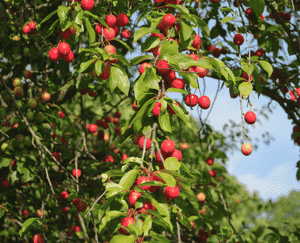
Cherry plum (Prunus cerasifera)
Also known as: Purple leaf plum
Cherry plum (Prunus cerasifera) is a small deciduous tree or shrub originating from southeastern Europe and western Asia. It is widely found in its native region and is known for its abundant sweet, juicy fruits that come in yellow, red, or burgundy shades during the summer and autumn months. Additionally, cherry plum is often cultivated for ornamental purposes and serves as rootstock for other Prunus species.
Attributes of Cherry plum
Images of Cherry plum
Quickly Identify Cherry plum
Scientific Classification of Cherry plum
Planting and Growing of Cherry plum
 How to Water Cherry plum?
 What Are the Sunlight Requirements for Cherry plum?
 What Is the Ideal Temperature Range for Cherry plum?
 What Soil is Best for Cherry plum?
 How to Fertilize Cherry plum?
 How to Prune Cherry plum?
 How to Propagate Cherry plum plant?
 How to Repot Cherry plum plant?
Toxicity of Cherry plum
Is Cherry plum toxic to humans?
The cherry plum, similar to nearly all species in the *Prunus* genus, contains cyanogenic compounds throughout its entirety, including its seeds, with the only exception being its fruit. When an individual consumes the seeds, leaves, or any other portion of the plant, these cyanotoxins transform into cyanide gas upon encountering stomach acid. This gas penetrates through mucous membranes and proves toxic to the person. Symptoms escalate from agitation to general weakness, impaired coordination, muscle spasms, challenges in movement or speech, as well as slowed respiration and heart rate, ultimately leading to death.
Is Cherry plum toxic to cat?
The cherry plum plant poses a toxicity risk to cats. If felines inadvertently consume any sections of the plant, especially the leaves and seeds, they may become poisoned. Symptoms of distress or physical discomfort may arise following the consumption of cherry plum. It is vital to seek prompt veterinary attention if poisoning is suspected to reduce adverse effects and safeguard the cat’s health and well-being. Timely medical response from a veterinary clinic is crucial for a cat that may have ingested a toxic substance.
Is Cherry plum toxic to dog?
The cherry plum is recognized as toxic to dogs. Canines may inadvertently consume various parts of this plant, including the leaves and seeds, which are acknowledged to be harmful. If a dog ingests these components of cherry plum, they could display symptoms such as vomiting, diarrhea, abdominal discomfort, or even more severe reactions like breathing difficulties or alterations in heart rhythm. It is essential for dog owners to remain alert and prevent their pets from accessing cherry plum. Should a dog ingest any portion of this plant, it is vital to seek immediate veterinary assistance to secure the best possible outcome for the animal.



