
European plum (Prunus domestica)
Also known as: Damson plum, Prune Plum, Plum Tree, Common plum, Damson
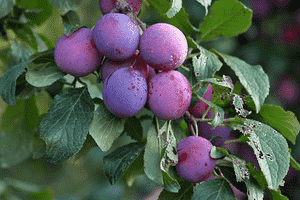
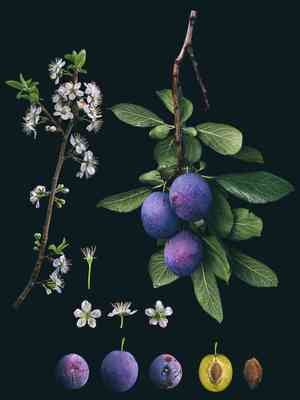
The European plum (*Prunus domestica*), a small deciduous tree, is the predominant orchard plum found across Europe and other parts of the world. This hybrid species likely originated from the wild Cherry plum (*Prunus cerasifera*). The fruit is typically elongated, fleshy, and sweet. When dried, these plums are known as prunes.
Attributes of European plum
Images of European plum


Quickly Identify European plum
Scientific Classification of European plum
Planting and Growing of European plum
 How to Water European plum?
 What Are the Sunlight Requirements for European plum?
 What Is the Ideal Temperature Range for European plum?
 What Soil is Best for European plum?
 How to Fertilize European plum?
 How to Prune European plum?
 How to Propagate European plum plant?
 How to Repot European plum plant?
Toxicity of European plum
Is European plum toxic to humans?
The European plum, similar to almost all species within the *Prunus* genus, contains cyanide precursors in all its parts, including the seeds, with the only exception being its fruit. Upon consumption of the seeds, leaves, or other sections of the plant, these cyanotoxins transform into cyanide gas upon interaction with stomach acid. This gas then infiltrates the body through mucous membranes, resulting in poisoning. Symptoms escalate from restlessness to fatigue, impaired coordination and muscle spasms, difficulties in movement or speech, deceleration of breathing and heart rate, ultimately leading to death.
Is European plum toxic to cat?
Remarkably toxic to felines, the ingestion of European plum (Prunus domestica) can lead to symptoms such as vomiting, respiratory distress, dilated pupils, or even shock. The cyanogenic compounds found in every part of this plant become especially dangerous when the plant is in a wilting state, making older or deteriorating specimens more hazardous than healthy, young ones. Seeking veterinary assistance is often essential to prevent serious health issues.
Is European plum toxic to dog?
The European plum (Prunus domestica) poses a significant danger to dogs due to its cyanide content; consuming it leads to a critical medical situation. The highest levels of toxicity are found in the plum pit, although the roots and leaves are also highly poisonous. Symptoms may include vomiting, respiratory distress, and tremors, and it may be lethal if emergency treatment is not provided promptly.



