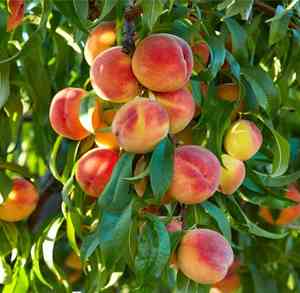
Peach(Prunus persica)

Peach (Prunus persica)

Also known as: Peach, Nectarine

Peaches originate from Northwest China, and the leading producers of this fruit globally are China, Spain, and Italy. Interestingly, the peach is recognized as the state fruit of Georgia in the United States. In 2017, the peach industry in the US was worth $599 million. Peaches are known for their yellow or white flesh, sweet fragrance, and their skin, which can be velvety in peaches or smooth, as seen in nectarines.

Attributes of Peach

Lifespan
Perennial
Plant Type
Tree, Shrub
Plant Height
2 m to 8 m
Spread
6 m
Leaf Color
Green
Flower Size
2.5 cm to 3.5 cm
Flower Color
Pink White Red

PlantJoy - Identify plants with a snap

Identify and diagnose plants, get toxicity alerts, and explore safety guides for all types of fungi.

Try for Free

Images of Peach

Peach(Prunus persica)

Quickly Identify Peach

1
Lanceolate leaves with serrated margins, 3-6 inches (7.6-15.2 cm) long
2
Pink flowers with five petals, 1-1.5 inches (2.5-3.8 cm) wide
3
Fruits measuring 2.5-3 inches (6.4-7.6 cm), yellow to deep red
4
Alternate leaves with toothed margins, 2-6 inches (5-15 cm) long
5
Stems with reddish young growth, 0.5 inches (1.2 cm) thick, regular branching pattern

Scientific Classification of Peach

Phylum
Vascular plants
Class
Dicotyledons
Order
Roses, elms, figs, and allies
Family
Rose
Genus
Prunus
Species
Peach

Planting and Growing of Peach

Care Difficulty
Easy
Watering Schedule
Every 8 days
Sunlight Requirements
Full sun
Sunshine Duration
6-10 hours
Ideal Temperature
65-75℉
Soil Type
Potting Mix, Peat Mix
Soil pH
6.5-7.5
Fertilizer Type
Balanced
Pruning Season
Spring, Summer
Pruning Area
Branches, Leaves
Pruning Frequency
2 times a year
Repotting Season
Spring
Pot Type
Plastic, Ceramic

water icon How to Water Peach?

Prunus persica, or the peach tree, requires a watering approach that quenches its thirst without oversaturating its roots. Each watering session should deliver approximately 150 milliliters of water, just enough to keep the soil uniformly moist. However, avoid turning the soil into a soggy mess – excessive standing water can lead to root problems. The key is to ensure the root zone is adequately moist but not waterlogged.
What are the symptoms of an underwatered Peach?
What should I do if my Peach is not getting enough water?
What are the symptoms of an overwatered Peach?
How to save an overwatered Peach?
More About Watering Techniques

sunlight icon What Are the Sunlight Requirements for Peach?

Sunlight Requirements: Full sun
Duration of light: 6-8 hours
Prunus persica flourishes in full sun conditions, requiring at least six to eight hours of direct sunlight daily. This ample sunlight supports healthy growth, vibrant leaves, and produces sweet, juicy fruit.
How much sunlight does Prunus persica require daily?
What happens if Prunus persica doesn't receive enough light?
How can you ensure Prunus persica gets ideal sunlight?
More About Sunlight Requirements Techniques

temperature icon What Is the Ideal Temperature Range for Peach?

Ideal Temperature: 65 ~ 75℉
The ideal temperature range for growing Prunus persica, commonly known as peach, is between 65°F and 75°F. This range ensures optimal growth, flowering, and fruiting as it matches the plant's natural climatic preferences. Maintaining these temperatures helps the plant carry out efficient photosynthesis and nutrient absorption.

soil icon What Soil is Best for Peach?

Soil type: Loam, Sandy loam
Soil PH: 6.5 ~ 7.5
Prunus persica thrives in well-drained soil to prevent root rot and fungal diseases. Good drainage ensures that excess water doesn't accumulate around the root system, promoting robust growth and fruit production. This plant requires nutrient-rich soil that contains adequate organic matter. The presence of nutrients such as nitrogen, phosphorus, and potassium aids in leaf development, flowering, and fruiting, resulting in a healthy peach tree. Prunus persica prefers a loamy soil texture, which balances sand, silt, and clay. This texture retains moisture and nutrients effectively while still allowing air circulation around the roots, supporting overall plant health. More About Soil

fertilize icon How to Fertilize Peach?

Fertilizer type: Balanced
For Prunus persica, apply approximately 1 pound of a balanced fertilizer (10-10-10) per year for young trees, gradually increasing to 2-3 pounds for mature trees. Over-fertilizing can lead to excessive leaf growth at the expense of fruit development. More About Fertilizing Techniques

prune icon How to Prune Peach?

Pruning Time: Winter
Begin by cutting out any dead or diseased branches. This step allows the tree to focus its energy on healthy growth and helps prevent the spread of disease. Thinning the canopy ensures sunlight penetrates the tree fully and air circulates freely, reducing the risk of fungal issues. Trim branches that crisscross or overcrowd each other. Aim for an open-center shape by removing central branches. This structure aids fruit harvesting and improves sun exposure, vital for fruit production. More About Pruning Techniques

propagate icon How to Propagate Peach plant?

Propagate Time: Late winter, Early spring, Spring
1
To propagate Prunus persica from seed, start by gathering fully ripe fruits. Clean the seeds thoroughly and allow them to dry. Stratify seeds by placing them in moist sand in the refrigerator for several weeks to mimic winter conditions, enhancing germination.
2
Select healthy cuttings from a mature tree during late winter or early spring. Cuttings should be about 6 to 8 inches long with at least three nodes and no flowering buds. Remove the lower leaves and prepare a rooting hormone to encourage root development.
3
For grafting, choose strong rootstock and a compatible scion from a desirable variety. Cut both pieces at an angle to fit snugly and bind them together using grafting tape. Monitor the graft site for successful union and remove the tape once the graft has healed.
More About Propagating Techniques

repot icon How to Repot Peach plant?

Repotting frequency: Every two to three years
1
Prunus persica, commonly known as the peach tree, signals the need for repotting when you notice roots emerging from drainage holes or a decline in growth. Ideally, repot during early spring or autumn when the tree is less active and won’t be stunted by the process.
2
Opt for a pot that is at least 2 inches larger in diameter than the current one. This will allow the peach tree sufficient room to spread its roots without restriction, supporting healthier and more robust growth. Ensure the pot has ample drainage holes to prevent waterlogging.
3
Select a soil mix that is well-draining yet nutrient-rich, such as loamy soil with added organic matter. Such a soil will provide the necessary nutrients while ensuring excess water doesn't lead to root rot, ultimately encouraging a healthy and thriving peach tree.
More About Repotting Techniques

PlantJoy - Identify plants with a snap

Find the best spots for them to optimize their health, simply using your phone.

Try for Free

Toxicity of Peach

Is Peach toxic to humans?

The fruit of the peach is safe to eat; however, various other components of this plant are highly poisonous and can be detrimental to humans if consumed. Ingesting these toxic parts can lead to severe consequences, potentially resulting in death. The twigs, leaves, and the pit found within the fruit possess cyanogenic glucosides, which are hazardous to human health. Exposure to this compound can trigger symptoms such as respiratory difficulties, spasms, and shock, all of which can become fatal. Given the prevalence of peach consumption, there is a heightened risk of individuals unintentionally consuming the seeds, often without awareness of their toxic nature.

Is Peach toxic to cat?

While humans cherish the fruit of the peach (Prunus persica), all other components of this plant—such as its stems, leaves, and seeds—are highly toxic to animals due to the presence of cyanide. The toxicity of this cyanide intensifies as the plant ages and wilts, with older, wilting specimens proving more dangerous than their younger counterparts. Symptoms of ingestion include a reddened mouth, dilated pupils, difficulty in breathing, rapid panting, and shock. It is essential to seek veterinary care.

Is Peach toxic to dog?

Every component of a peach tree poses a significant threat to dogs' health. Should you suspect that your dog has consumed any portion of this plant, it is crucial to reach out to your veterinarian WITHOUT DELAY. Cyanide is found in high concentrations within the stems, leaves, and seeds (notably, the peach fruit itself does not have cyanide). Initial signs include dilated pupils and excessive panting, which can escalate to severe symptoms such as shock and tremors.

Identify toxic plants for your safety

Learn which plants are harmful to you and your pets, and make informed choices for a safer home!

Try for Free
WARNING
The judgment on toxicity and danger is for reference only. We DO NOT GUARANTEE any accuracy of such judgment. Therefore, you SHALL NOT rely on such judgment. It is IMPORTANT TO SEEK PROFESSIONAL ADVICE in advance when necessary.
More About Toxic Techniques