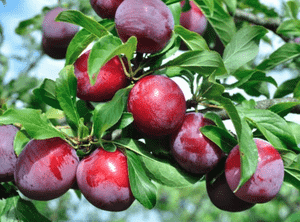
Chinese plum (Prunus salicina)
Also known as: Japanese Plum, Chinese Plum
The Chinese plum, originating from China, is also cultivated in countries such as Japan, Korea, Vietnam, Australia, and the United States. This fruit, known scientifically as Prunus salicina, produces a drupe that is edible in its raw form. Various cultivars and hybrid species of this plum are grown in China, and many fresh plums available in North American markets are derived from these Chinese plum varieties.
Attributes of Chinese plum
Images of Chinese plum
Quickly Identify Chinese plum
Scientific Classification of Chinese plum
Planting and Growing of Chinese plum
 How to Water Chinese plum?
 What Are the Sunlight Requirements for Chinese plum?
 What Is the Ideal Temperature Range for Chinese plum?
 What Soil is Best for Chinese plum?
 How to Fertilize Chinese plum?
 How to Prune Chinese plum?
 How to Propagate Chinese plum plant?
 How to Repot Chinese plum plant?
Toxicity of Chinese plum
Is Chinese plum toxic to humans?
The Chinese plum presents a mild toxicity risk to humans mainly through the consumption of its seeds. These seeds contain hydrogen cyanide, a highly toxic compound that can cause poisoning. When the seeds are crushed or chewed, they release this hazardous substance, potentially leading to symptoms such as headache, dizziness, confusion, shortness of breath, and in severe cases, convulsions if ingested in large amounts. It is essential for individuals to refrain from eating the seeds of the Chinese plum to avoid accidental poisoning. The pulp of the fruit is generally safe to consume, but care must be taken to prevent accidental ingestion of the seeds, particularly by children who may not recognize the danger.
Is Chinese plum toxic to cat?
The Chinese plum presents a slight toxic risk to felines. Cats may become poisoned primarily through unintentional consumption. The seeds of the Chinese plum are the toxic components, containing hydrogen cyanide. If a cat consumes this part, it may exhibit symptoms of physical distress or illness. If poisoning is suspected, it's crucial to seek immediate care from a veterinary clinic for appropriate treatment.
Is Chinese plum toxic to dog?
The Chinese plum presents a moderate toxicity risk for dogs. Dogs may inadvertently consume various parts of the plant, particularly the seeds, which are known to be poisonous. Ingestion of these seeds could expose a dog to hydrogen cyanide, a toxic compound that may result in poisoning. Signs of poisoning in dogs may encompass vomiting, diarrhea, abdominal discomfort, and in more severe cases, symptoms like breathing difficulties or lethargy. Therefore, it is essential for dog owners to supervise their pets diligently and to keep the Chinese plum plant out of their access. Should a dog consume any part of the Chinese plum, particularly the seeds, it is vital to seek immediate veterinary assistance to effectively address the risk of poisoning.



