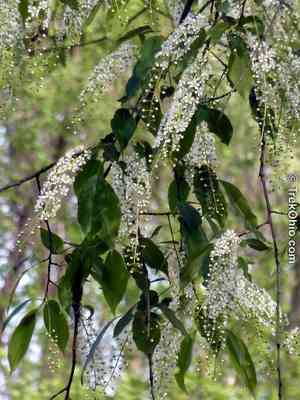
Black cherry (Prunus serotina)
Also known as: Whisky cherry, American cherry
The black cherry tree (Prunus serotina) is a medium-sized deciduous tree indigenous to the Americas and has also spread to parts of Europe. It is recognizable by its small white flowers in spring, which develop into clusters of dark cherries that are edible if the pits are removed. The tree's mature bark is dark and distinctly flaky, while its leaves are glossy and serrated.
However, there are several risks associated with this tree:
1. **Toxicity:** The leaves, bark, and seeds contain cyanogenic compounds that can release cyanide when ingested, posing a poisoning risk to livestock and pets.
2. **Invasiveness:** The black cherry tree is a highly reproductive pioneer species, which means it can spread rapidly and outcompete native plants in some areas, potentially becoming invasive.
3. **Allergens:** The pollen produced by the flowers can cause allergic reactions in some people.
While the black cherry tree is valued for its wood and fruit, its toxic properties and invasive potential warrant cautious management.
Attributes of Black cherry
Images of Black cherry
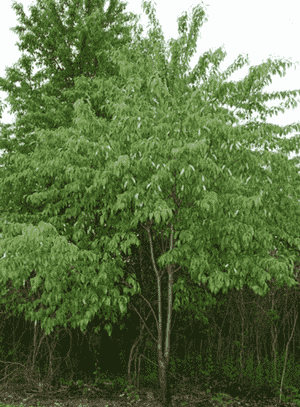
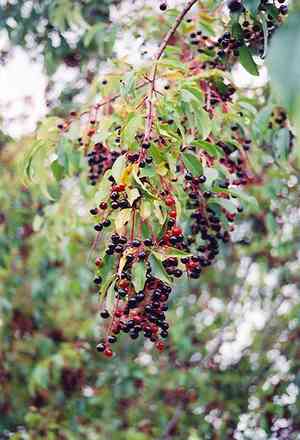
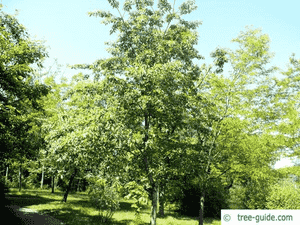
Quickly Identify Black cherry
Scientific Classification of Black cherry
Planting and Growing of Black cherry
 How to Water Black cherry?
 What Are the Sunlight Requirements for Black cherry?
 What Is the Ideal Temperature Range for Black cherry?
 What Soil is Best for Black cherry?
 How to Fertilize Black cherry?
 How to Prune Black cherry?
 How to Propagate Black cherry plant?
 How to Repot Black cherry plant?
Toxicity of Black cherry
Is Black cherry toxic to humans?
The black cherry, similar to most species within the *Prunus* genus, contains cyanide precursors throughout all its parts, except for the fruit. When a person consumes the seeds, leaves, or any other portion of the plant, these cyanotoxins transform into cyanide gas upon coming into contact with stomach acid. This gas is then absorbed through the mucous membranes, leading to poisoning. The symptoms can escalate from agitation to fatigue, loss of coordination and muscle spasms, difficulties in movement or speech, slowed breathing and heart rate, ultimately culminating in death.
Is Black cherry toxic to cat?
Black cherry (Prunus serotina) is extremely toxic to cats, and ingesting it could lead to symptoms such as vomiting, trouble breathing, dilated pupils, or even shock. The cyanogenic compounds found in all parts of this plant become especially dangerous when the plant is wilting; thus, mature or dying specimens pose a greater risk than younger, healthy ones. It is essential to seek veterinary care.
Is Black cherry toxic to dog?
Consuming any portion of the black cherry plant aside from its fruit may cause life-threatening reactions in dogs; if you believe your dog has gnawed on any component of this plant, you should treat it as a medical emergency. The stems, leaves, and seeds are all sources of cyanide. Symptoms that may occur after ingestion include gasping, weakness, dilated pupils, seizures, loss of consciousness, and respiratory failure.



