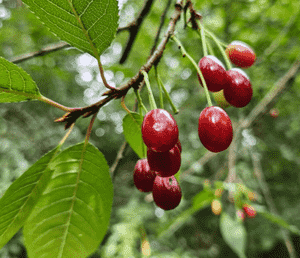
Tibetan cherry (Prunus serrula)
Also known as: Ornamental cherry, Birch-bark tree, Japanese flowering cherry
The tibetan cherry has small flower clusters that may give way to red berries during fall. This deciduous tree has an excellent foliage color in this season as well. It can add color to gardens in the winter, and it’s great for foundation plantings or cottage gardens.
In This Article
Attributes of Tibetan cherry
Lifespan
Perennial
Plant Type
Tree
Plant Height
10 m
Spread
10 m
Leaf Color
Green Yellow
Flower Size
2.5 cm
Flower Color
White
Images of Tibetan cherry
Quickly Identify Tibetan cherry
1
Smooth, glossy bark peels in translucent sheets with a polished appearance.
2
Lance-shaped leaves transition in warm colors, serrated margins, glossy texture.
3
Delicate white flowers form charming umbels, emit subtle fragrance.
4
Small, bright red berries with smooth, glossy texture entice wildlife.
5
Fruit is around 0.5 inches in diameter, spherical to slightly elongated shape.
Scientific Classification of Tibetan cherry
Phylum
Vascular plants
Class
Dicotyledons
Order
Rosales
Family
Rose
Genus
Prunus
Species
Tibetan cherry
Planting and Growing of Tibetan cherry
Care Difficulty
Easy
Watering Schedule
Every 3 days
Sunlight Requirements
Full sun
Sunshine Duration
6-10 hours
Ideal Temperature
50-65℉
Soil Type
Potting Mix, Peat Mix
Soil pH
6.5-7.5
Fertilizer Type
Balanced
Pruning Season
Spring, Summer
Pruning Area
Branches, Leaves
Pruning Frequency
2 times a year
Repotting Season
Spring
Pot Type
Plastic, Ceramic
 How to Water Tibetan cherry?
For Prunus serrula, ensure the soil is thoroughly moistened until water begins to drain from the bottom of the pot or the surrounding soil is damp. Typically, this requires approximately 1500 milliliters of water per session. The goal is to ensure deep penetration to promote root growth while avoiding waterlogging.
What are the symptoms of an underwatered Tibetan cherry?
›
What should I do if my Tibetan cherry is not getting enough water?
›
What are the symptoms of an overwatered Tibetan cherry?
›
How to save an overwatered Tibetan cherry?
›
 What Are the Sunlight Requirements for Tibetan cherry?
Prunus serrula enjoys full sun to partial sun, representing 6-8 hours of sunlight each day. Ideal light ensures stronger growth, vibrant bark colors, and resilience against environmental stressors.
More About Sunlight Requirements Techniques→
What is the ideal sunlight exposure for Prunus serrula?
›
How can I ensure Prunus serrula gets ideal light?
›
What are the benefits of ideal light conditions?
›
 What Is the Ideal Temperature Range for Tibetan cherry?
The ideal temperature range for cultivating Prunus serrula is between 50°F and 65°F. This range provides the most favorable conditions for growth and development, allowing the plant to maintain healthy metabolism and physiological processes.
 What Soil is Best for Tibetan cherry?
Prunus serrula thrives best in well-drained soil. It ensures the roots do not remain waterlogged, preventing root rot and other diseases, which increases the plant's longevity and health. Incorporating organic matter into the soil is crucial. It enriches the soil with nutrients, improves its texture, and enhances water retention, all of which support robust growth and flowering. While Prunus serrula prefers moist conditions, ensuring the soil is not too wet is vital. Balanced moisture levels help the tree establish itself well without stressing the root system.
 How to Fertilize Tibetan cherry?
Prunus serrula benefits from moderate fertilization. It's important to avoid over-fertilizing, as this can damage the plant. Use a balanced fertilizer at half the recommended rate on the package to avoid nutrient burn.
 How to Prune Tibetan cherry?
Look for dead, diseased, or crossing branches. Removing these encourages healthy growth and improves airflow, reducing the risk of fungal infections. Make cuts at a 45-degree angle about a quarter-inch above outward-facing buds. This promotes new growth and prevents water from pooling on cuts. Remove any suckers growing at the base of the plant, or water sprouts along branches. These can drain resources and diminish flowering.
More About Pruning Techniques→
 How to Propagate Tibetan cherry plant?
1
When propagating via seeds, collect ripe seeds in the autumn from healthy specimens. Clean and dry the seeds thoroughly before planting, as any residue can encourage mold growth during storage and germination.
2
Select semi-hardwood cuttings in late spring. Cuttings should be around 4-6 inches long and taken from healthy growth. Make a clean cut just below a node and remove any leaves from the lower half of the cutting.
3
Choose compatible rootstock and scions for grafting. Make precise cuts on both the rootstock and the scion to ensure they fit together snugly. Align the cambium layers carefully to facilitate successful grafting.
 How to Repot Tibetan cherry plant?
1
Look for signs like roots emerging from drainage holes, reduced plant vigor, or soil that retains moisture for too long. These indicate it's time to repot your Prunus serrula, generally aligning with the growth spurts in spring or autumn.
2
Select a pot that is slightly larger than the current one, with good drainage holes. This ensures adequate space for root growth and prevents waterlogging, promoting healthy development and avoiding root rot.
3
Opt for loamy, well-draining soil that holds moisture yet drains excess water. This type of soil provides a balanced environment, supporting the tree's nutrient uptake while preventing root suffocation.



