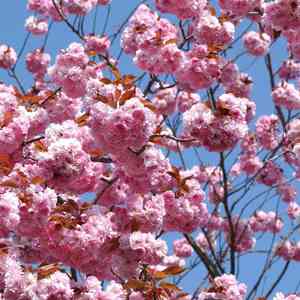
Japanese cherry (Prunus serrulata)
Also known as: Japanese flowering cherry, Hill cherry, Sakura
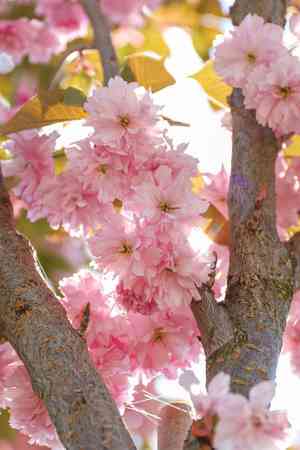
The Japanese tradition known as Hanami involves people enjoying picnics and outdoor gatherings beneath cherry trees. The stunning spring colors of the Prunus serrulata, or cherry blossom tree, draw many admirers. These trees display their beautiful pink and white blooms in early to mid-spring, and some varieties even have a delicate fragrance.
Attributes of Japanese cherry
Images of Japanese cherry
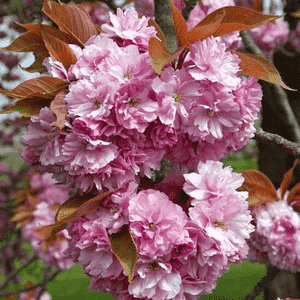
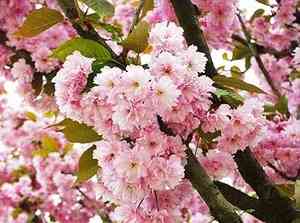
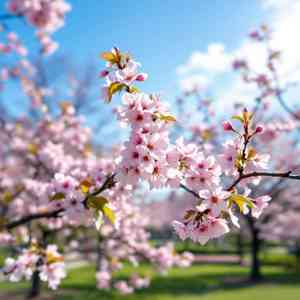
Quickly Identify Japanese cherry
Scientific Classification of Japanese cherry
Planting and Growing of Japanese cherry
 How to Water Japanese cherry?
 What Are the Sunlight Requirements for Japanese cherry?
 What Is the Ideal Temperature Range for Japanese cherry?
 What Soil is Best for Japanese cherry?
 How to Fertilize Japanese cherry?
 How to Prune Japanese cherry?
 How to Propagate Japanese cherry plant?
 How to Repot Japanese cherry plant?
Toxicity of Japanese cherry
Is Japanese cherry toxic to humans?
Similar to other species within the Prunus genus, the Japanese cherry possesses toxic characteristics that can be detrimental to human health if consumed. The effects can be quite serious, with the potential to result in death. The leaves, seeds, and twigs of the plant are the toxic components, all of which harbor poisonous cyanogenic compounds. Symptoms of poisoning may manifest as weakness, breathlessness, dilated pupils, increased heart rate, and in severe instances, loss of consciousness and mortality. There is a possibility that some individuals may inadvertently ingest the seeds while enjoying the widely favored fruits produced by this species.



