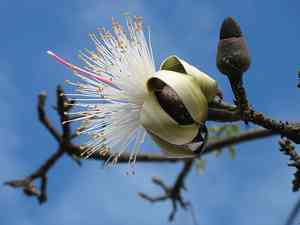
Shaving Brush Tree (Pseudobombax ellipticum)
Also known as: Amapolla Tree
The Shaving Brush Tree (Pseudobombax ellipticum) is a winter deciduous species originating from the tropical regions of Central America, such as Mexico, Guatemala, and Honduras. Known for its unique blossoms that look like shaving brushes and bloom in spring, this tree typically grows to heights of 4.5 to 9 meters in its natural environment. When cultivated in containers, it usually reaches a more modest height of 61 to 152 centimeters.
In This Article
Attributes of Shaving Brush Tree
Lifespan
Perennial
Plant Type
Tree
Plant Height
6 m to 9 m
Spread
3 m to 4.5 m
Leaf Color
Green during the growing season, yellow before falling in the dry season
Flower Size
10 cm to 13 cm
Flower Color
White Red Pink
Images of Shaving Brush Tree
Quickly Identify Shaving Brush Tree
1
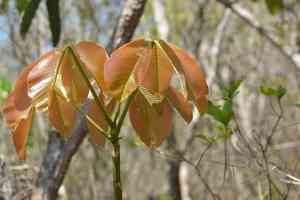
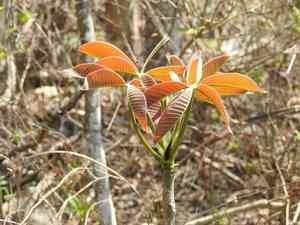
Distinctive elliptical dark-green leaflets up to 1 foot (30 cm) long and 7 inches (18 cm) wide.
2
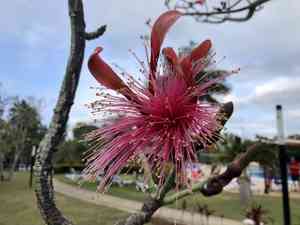
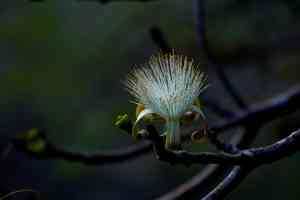
Exceptional white flowers resembling a shaving brush with long stamens up to 5 inches (13 cm) long.
3
Unique greenish tortoiseshell-patterned trunk with swollen, smooth texture in container environments.
4
6-inch (15 cm) fruit pods containing fine white hairs and elliptical capsules with soft white fibers.
5
Prominent white petals rolling backwards, creating a stunning display in late spring to early summer.
Scientific Classification of Shaving Brush Tree
Phylum
Vascular plants
Class
Dicotyledons
Order
Malvales
Family
Mallow
Genus
Pseudobombax
Species
Shaving Brush Tree
Planting and Growing of Shaving Brush Tree
Care Difficulty
Easy
Watering Schedule
Every 2 days
Sunlight Requirements
Full sun
Sunshine Duration
4-6 hours
Ideal Temperature
68-77℉
Soil Type
Potting Mix, Peat Mix
Soil pH
6.5-7.5
Fertilizer Type
Balanced
Pruning Season
Spring, Summer
Pruning Area
Branches, Leaves
Pruning Frequency
2 times a year
Repotting Season
Spring
Pot Type
Plastic, Ceramic
 How to Water Shaving Brush Tree?
Pseudobombax ellipticum prefers a moderate amount of water. Ensure that the soil is evenly moist but not waterlogged. Water until you see slight drainage from the pot, approximately 500 ml each time, allowing for consistent soil moisture.
What are the symptoms of an underwatered Shaving Brush Tree?
›
What should I do if my Shaving Brush Tree is not getting enough water?
›
What are the symptoms of an overwatered Shaving Brush Tree?
›
How to save an overwatered Shaving Brush Tree?
›
 What Are the Sunlight Requirements for Shaving Brush Tree?
The ideal range for Pseudobombax ellipticum is full sun to partial sun. This light exposure ensures healthy growth and brilliant flowering, replicating its native tropical environment.
More About Sunlight Requirements Techniques→
How much sunlight does Pseudobombax ellipticum need?
›
What are the solutions for ideal lighting?
›
What benefits can be expected when receiving ideal sunlight?
›
 What Is the Ideal Temperature Range for Shaving Brush Tree?
The ideal temperature range for Pseudobombax ellipticum is between 68 and 77 degrees Fahrenheit. At these temperatures, the plant thrives, exhibiting optimal growth and flowering. The conditions should mimic its native environment, which is warm and humid. Ensuring sufficient light and moderate humidity complement this temperature range, providing a balanced environment for the plant's vitality.
 What Soil is Best for Shaving Brush Tree?
Pseudobombax ellipticum thrives in well-drained soils that prevent waterlogging. Excellent drainage ensures that the roots have enough air and do not rot, which can enhance the plant's growth and overall health. This plant prefers nutrient-rich soil that can support its rapid growth and flowering. Having a rich medium allows the plant to absorb essential nutrients efficiently, leading to vibrant blooms and robust growth. A soil pH of 6.5 to 7.5 is ideal for Pseudobombax ellipticum. This range facilitates the optimal availability of nutrients, ensuring that the plant receives all the nutrients it requires for healthy growth.
 How to Fertilize Shaving Brush Tree?
For Pseudobombax ellipticum, it is important to apply a balanced fertilizer that provides essential nutrients in a controlled manner. For liquid fertilizer, the typical concentration should be one-half the recommended dose on the package to avoid over-fertilization. For slow-release granules, 2 tablespoons per plant, distributed evenly around the base, should suffice each time you apply.
 How to Prune Shaving Brush Tree?
Begin pruning by sterilizing your pruning shears with rubbing alcohol to prevent disease transmission. Gently cut back any crossing or inward-growing branches to maximize sunlight exposure. Shape the plant by selectively trimming outer foliage to maintain a balanced silhouette, increasing airflow and reducing disease risk. To encourage prolific flowering, focus on pruning back new shoots and shaping the canopy. Trim just above a bud facing the direction in which you want new growth to emerge, promoting a fuller, more attractive display come blooming season.
More About Pruning Techniques→
 How to Propagate Shaving Brush Tree plant?
1
Gather mature seeds from the Pseudobombax ellipticum's pods once they are dry. Ensure the seeds are viable and free of any visible damage or mold before use.
2
Select a healthy branch and use sterilized pruning shears to cut a section about 6 inches long. Remove leaves from the bottom half to prevent rotting when planted.
3
Choose a stock and scion of similar diameter. Make a slanting cut on both, align them closely, and secure with grafting tape. Keep the grafted plant humid to encourage healing.
 How to Repot Shaving Brush Tree plant?
1
Pseudobombax ellipticum should be repotted when you notice roots protruding from drainage holes, slowed growth, or the plant becoming top-heavy. These are signs that the plant is root-bound and requires more space to thrive. Repotting in spring or early summer allows the plant to recover and establish itself in the new potting medium during its active growth phase.
2
Select a pot that is one size larger than the current one to provide adequate space for root expansion. Opt for a pot with good drainage, as Pseudobombax ellipticum enjoys well-drained conditions. Using the right pot prevents waterlogging and promotes healthier root development, ensuring robust plant growth.
3
Choose a well-draining potting mix that mimics the plant's natural environment. A mix of regular potting soil, perlite, and sand is ideal. This combination ensures proper aeration and drainage, preventing root rot and helping the plant grow vigorously by allowing optimal nutrient uptake.



