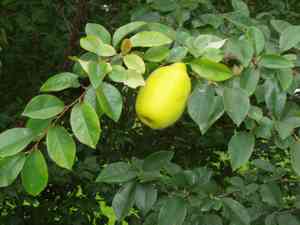
Chinese quince (Pseudocydonia sinensis)
Also known as: Chinese Quince, Pseudocydonia
The Chinese quince is a semi-evergreen tree known for its early-blooming leaves and distinctive flaking bark, which displays a mosaic of gray, green, orange, and brown colors. Native to southern and eastern China, this tree features fragrant, soft pink flowers. Its fruit is commonly used to make jam.
Attributes of Chinese quince
Images of Chinese quince
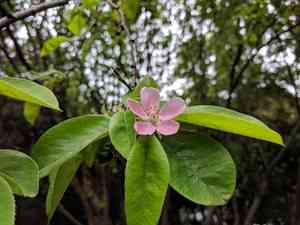
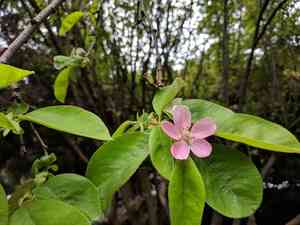
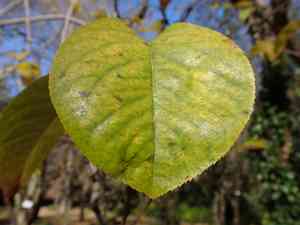
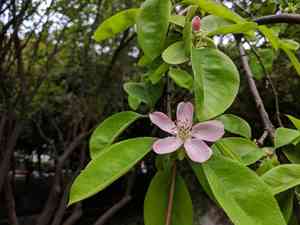
Quickly Identify Chinese quince
Scientific Classification of Chinese quince
Planting and Growing of Chinese quince
 How to Water Chinese quince?
 What Are the Sunlight Requirements for Chinese quince?
 What Is the Ideal Temperature Range for Chinese quince?
 What Soil is Best for Chinese quince?
 How to Fertilize Chinese quince?
 How to Prune Chinese quince?
 How to Propagate Chinese quince plant?
 How to Repot Chinese quince plant?
Toxicity of Chinese quince
Is Chinese quince toxic to humans?
The Chinese quince has a mild toxicity level for humans, primarily associated with the ingestion of its seeds. These seeds harbor hydrogen cyanide, a highly toxic compound that can result in poisoning. Upon consumption, the body processes these seeds and releases hydrogen cyanide, which hampers cellular oxygen utilization, leading to various symptoms such as headaches, dizziness, confusion, difficulty breathing, and potentially even unconsciousness. The intensity of these symptoms is contingent upon the amount of seeds that have been consumed. It is imperative that individuals, particularly children who may be attracted to the seeds out of curiosity, refrain from consuming them to avert accidental poisoning.
Is Chinese quince toxic to cat?
Chinese quince presents a minor toxic risk to cats that might accidentally consume the plant. The seeds are the main harmful element, as they contain hydrogen cyanide, a substance that can be dangerous. Contact with this plant could result in signs of discomfort or various health issues. If a cat ingests any part of the Chinese quince, particularly the seeds, it is essential to obtain immediate care from a veterinary clinic to reduce potential health hazards.
Is Chinese quince toxic to dog?
The chinese quince plant species is recognized for having mild toxicity towards dogs. If dogs consume any parts of this plant, especially the seeds, they may be poisoned due to the toxic compounds present. Ingesting the seeds of chinese quince can cause symptoms ranging from gastrointestinal distress to more severe reactions, contingent on the quantity consumed. The seeds contain hydrogen cyanide, which is responsible for these negative health effects. It is vital for dog owners to keep a close eye on their pets and to prevent them from consuming any part of chinese quince. Should a dog ingest this plant, prompt veterinary intervention is critical to ensure appropriate care and treatment.



