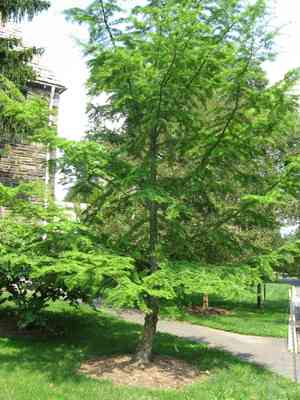
Golden larch (Pseudolarix amabilis)
Also known as: Golden Larch, Pseudolarix
The Golden larch, or Pseudolarix amabilis, is a deciduous conifer cherished for its ornamental value in parks and expansive gardens. During the fall, its needles transform into a vibrant golden-yellow hue, creating a stunning visual display. Despite its common name, it is not a true larch, which is why it is classified under the genus Pseudolarix. The term "amabilis" reflects its pleasing and attractive nature. Known for its cold-hardiness, this tree adds unique beauty to landscapes and is also a favorite in bonsai cultivation.
In This Article
Attributes of Golden larch
Lifespan
Perennial
Plant Type
Tree
Plant Height
40 m
Spread
1.5 m
Leaf Color
Green Yellow Gold
Flower Size
5 mm to 8 mm
Flower Color
Yellow Green Blue Brown Gold
Images of Golden larch
Quickly Identify Golden larch
1
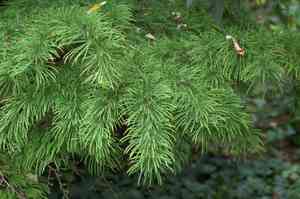
Whorled soft needles, 2.5 inches (6.4 cm) long, light green with bluish-green undersides.
2
Erect reddish-brown cones, around 3 inches (7.6 cm) long, present on mature trees.
3
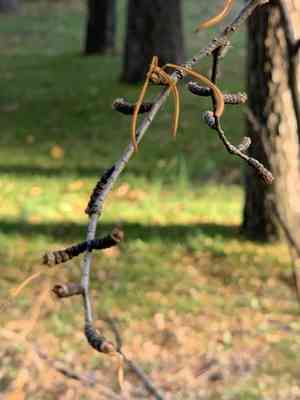
Terminal shoots with clusters of 10-25 small yellowish pollen cones, 0.6-1.2 inches (1.5-3 cm) long.
4
Distinctively ovoid cones, initially green, mature to reddish-brown, 3 inches (7.6 cm) long.
5
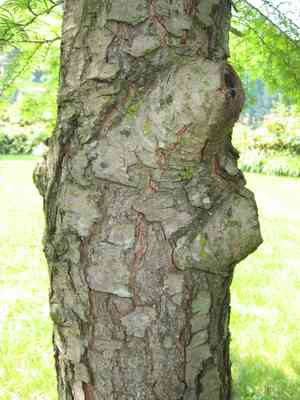
Robust trunk with deeply fissured reddish-brown bark, forming thick, square scales that flake off.
Scientific Classification of Golden larch
Phylum
Vascular plants
Class
Conifers
Order
Pines and allies
Family
Pine
Genus
Pseudolarix
Species
Golden larch
Planting and Growing of Golden larch
Care Difficulty
Moderate
Watering Schedule
Every 3 days
Sunlight Requirements
Full sun
Sunshine Duration
4-8 hours
Ideal Temperature
60-75℉
Soil Type
Potting Mix, Peat Mix
Soil pH
4.5-6.5
Fertilizer Type
Balanced
Pruning Season
Spring, Summer
Pruning Area
Branches, Leaves
Pruning Frequency
2 times a year
Repotting Season
Spring
Pot Type
Plastic, Ceramic
 How to Water Golden larch?
For Pseudolarix amabilis, watering should deeply soak the root system. Ensure the soil is moist, not soggy, aiming for about 500ml per watering session, depending on your pot size and climate conditions.
What are the symptoms of an underwatered Golden larch?
›
What should I do if my Golden larch is not getting enough water?
›
What are the symptoms of an overwatered Golden larch?
›
How to save an overwatered Golden larch?
›
 What Are the Sunlight Requirements for Golden larch?
Partial to full sunlight provides the balance necessary for optimal health. Adequate sunlight ensures vibrant foliage and sturdy growth, critical for this plant's ornamental beauty.
More About Sunlight Requirements Techniques→
What is the optimal sunlight condition for Pseudolarix amabilis?
›
How can one achieve this ideal lighting condition?
›
What benefits arise from these lighting conditions?
›
 What Is the Ideal Temperature Range for Golden larch?
Pseudolarix amabilis thrives best at temperatures between 60°F and 75°F. This range supports optimal metabolic activity and promotes healthy growth. Within this temperature band, the plant can conduct photosynthesis efficiently, ensuring stable energy production and overall vigor. Staying within these limits minimizes stress, reducing the likelihood of pest and disease outbreaks. The moderate warmth is also conducive to nutrient uptake and assimilation, which are critical for robust growth.
 What Soil is Best for Golden larch?
Pseudolarix amabilis thrives in well-drained soil which prevents waterlogging, a condition that could lead to root rot. Ensuring good drainage helps the tree's roots access oxygen and nutrients effectively. While preferring drainage, this species also benefits from soil that can retain moisture. Loamy soil with its balanced texture provides the ideal environment, keeping roots hydrated without drenching them. To flourish, Pseudolarix amabilis requires a nutrient-rich soil that supplies essential minerals. Adding organic matter like compost enriches the soil, fostering healthy growth and vibrant foliage.
 How to Fertilize Golden larch?
For Pseudolarix amabilis, it's important to apply fertilizers in moderate amounts. Liquid fertilizers should be diluted to half strength to prevent root burn. For solid fertilizers, a handful per square meter around the base of the plant is sufficient. Over-fertilization can cause more harm than under-fertilization, so lean towards caution.
 How to Prune Golden larch?
Begin by removing any dead or diseased branches to make way for healthy growth. Next, sculpt the tree by trimming wayward branches to maintain its natural shape. Avoid over-pruning as it can hinder growth. Prune during spring and summer, as these seasons provide optimal conditions for the tree to recover. Regular monthly pruning will keep the tree in optimal health and appearance.
More About Pruning Techniques→
 How to Propagate Golden larch plant?
1
Choose seeds from a reliable source, ensuring they are fresh and have no signs of damage or pest infestation. Healthy seeds will have a higher germination rate and lead to stronger seedlings.
2
Select a mature, healthy branch for cuttings, about 6-10 inches long. Remove the leaves from the bottom half of the cutting, leaving a few at the top for photosynthesis. This preparation is crucial for successful rooting.
3
Dip the cut end of the cutting into rooting hormone to promote faster root development. Plant the cutting into a pot with well-draining soil, ensuring it is firm enough to support the cutting upright.
 How to Repot Golden larch plant?
1
Pseudolarix amabilis shows signs that it's time for repotting when its roots begin to circle the pot, emerging from the drainage holes. Additionally, if water rapidly drains through the pot with little retention, it may indicate compacted soil needing refreshment. Careful observation of these signals ensures timely repotting and promotes plant health.
2
Select a pot with adequate drainage holes and a size that comfortably accommodates the expanded root system. A slightly larger pot prevents root constriction while ensuring proper air circulation and moisture retention, crucial for the plant's growth and well-being.
3
The ideal soil mix is loamy and well-draining, allowing roots to breathe while preventing waterlogging. A healthy blend of organic matter ensures nutrient availability, promoting robust growth and reducing the risk of root rot and other soil-related issues.



