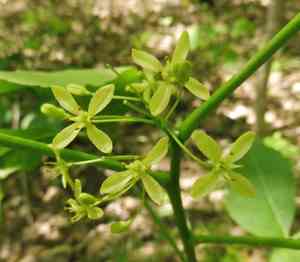
Common Hoptree(Ptelea trifoliata)

Common Hoptree (Ptelea trifoliata)

Also known as: Wafer Ash, Stinking Ash, Pale Hoptree, Shrubby Trefoil, Water Ash

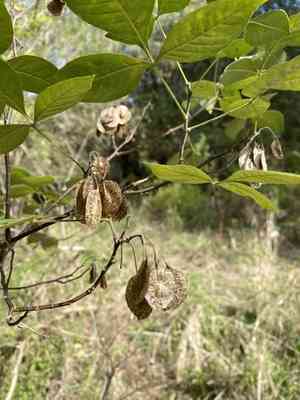
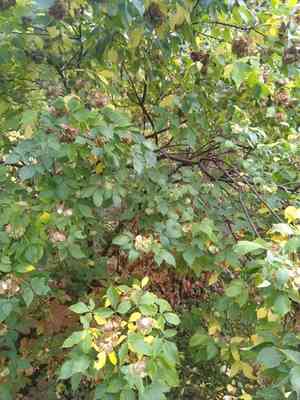
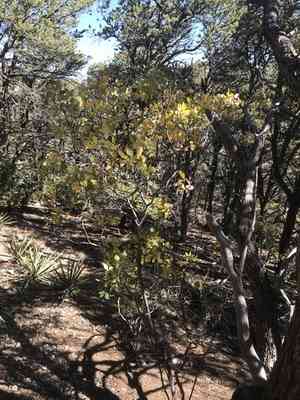
The Common Hoptree (Ptelea trifoliata) is a small deciduous tree reaching heights of 15-20 feet. It adapts well to various soil types, including sandy, loamy, and clay, and prefers well-drained conditions, thriving in full sun to partial shade. This tree is appreciated for its trifoliate leaves, which turn color in the fall, and its unique, wafer-like seed pods that resemble hops. Blooming from late spring to early summer, it produces greenish-white flowers. The aromatic leaves and bark add to its appeal, and it is drought-tolerant once established. Its seeds have historical use in beer-making, reflecting its common name.

Attributes of Common Hoptree

Lifespan
Perennial
Plant Type
Tree
Plant Height
6 m to 8 m
Spread
4.5 m to 6 m
Leaf Color
Green
Flower Size
1 cm to 2 cm
Flower Color
White Green Yellow

PlantJoy - Identify plants with a snap

Identify and diagnose plants, get toxicity alerts, and explore safety guides for all types of fungi.

Try for Free

Images of Common Hoptree

Common Hoptree(Ptelea trifoliata)

Quickly Identify Common Hoptree

1
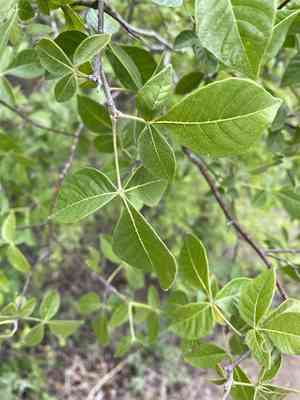
Trifoliate leaves with 3 leaflets, 2-5 inches (5-13 cm) wide.
2
Small greenish-white flowers, 1/4 inch (6 mm) across.
3
Distinctive heart-shaped fruits, 1 inch (2.5 cm) wide.
4
Hairless, glossy dark green leaves with wavy margins.
5
Terete stems with branching pattern, green to brownish-green.

Scientific Classification of Common Hoptree

Phylum
Vascular plants
Class
Dicotyledons
Order
Sapindales
Family
Rue
Genus
Hoptrees
Species
Common Hoptree

Planting and Growing of Common Hoptree

Care Difficulty
Easy
Watering Schedule
Every 2 days
Sunlight Requirements
Partial sun
Sunshine Duration
4-8 hours
Ideal Temperature
60-77℉
Soil Type
Potting Mix, Peat Mix
Soil pH
6.5-7.5
Fertilizer Type
Balanced
Pruning Season
Spring, Summer
Pruning Area
Branches, Leaves
Pruning Frequency
2 times a year
Repotting Season
Spring
Pot Type
Plastic, Ceramic

water icon How to Water Common Hoptree?

When watering Ptelea trifoliata, aim to thoroughly soak the soil without leaving it waterlogged. As a general rule, make sure the top 1-2 inches of soil are moist but not drenched, ensuring that excess water drains away freely from the pot or garden bed.
What are the symptoms of an underwatered Common Hoptree?
What should I do if my Common Hoptree is not getting enough water?
What are the symptoms of an overwatered Common Hoptree?
How to save an overwatered Common Hoptree?

sunlight icon What Are the Sunlight Requirements for Common Hoptree?

Sunlight Requirements: Partial sun
Duration of light: 4-6 hours daily
For optimal growth, Ptelea trifoliata requires partial sun, ideally receiving 4-6 hours of dappled sunlight daily. This balance supports lush foliage and vigorous growth.
What is the best location for Ptelea trifoliata?
What measures can be taken to achieve ideal lighting?
What benefits arise from ideal lighting conditions?

temperature icon What Is the Ideal Temperature Range for Common Hoptree?

Ideal Temperature: 60 ~ 77℉
The ideal temperature range for Ptelea trifoliata, also known as the hop tree or wafer ash, is between 60°F and 77°F. Within this range, the plant can perform photosynthesis effectively and maintain optimal growth and vitality. This temperature range mimics its natural habitat during the growing season.

soil icon What Soil is Best for Common Hoptree?

Soil type: Loam, Clay soil, Sandy loam
Soil PH: 6.5 ~ 7.5
Ptelea trifoliata thrives in well-drained soil, which ensures that excess water doesn't linger around the roots. This prevents root rot and helps maintain healthy growth. The plant benefits from soil enriched with organic matter, which provides essential nutrients. This promotes vibrant foliage and robust development throughout the growing season. Maintaining moderate moisture in the soil helps the plant stay hydrated without being waterlogged. This balance is crucial for optimal photosynthesis and overall health.

fertilize icon How to Fertilize Common Hoptree?

Fertilizer type: Balanced
For Ptelea trifoliata, use a balanced fertilizer with a ratio of 10-10-10. When applying liquid fertilizer, dilute it to half the recommended strength to prevent root burn. For slow-release granules, typically use 1 tablespoon per square foot of soil.

prune icon How to Prune Common Hoptree?

Pruning Time: Spring, Summer
Start by examining your Ptelea trifoliata for any dead, diseased, or damaged branches. Cut these at their base, close to the trunk, ensuring a smooth cut to facilitate healing. After removing unhealthy wood, focus on shaping the plant. Trim back any awkwardly growing branches to maintain a rounded, balanced silhouette. This not only enhances its aesthetic appeal but also improves air circulation. When making cuts, do so at a slight angle facing upwards. This technique prevents water from pooling on the cut surface, reducing the risk of rot and disease.

propagate icon How to Propagate Common Hoptree plant?

Propagate Time: Spring, Early summer
1
Harvest seeds from mature Ptelea trifoliata trees when the seed pods have dried and started to split open. It is important to collect only the healthy and disease-free seeds for propagation. Once collected, clean them by removing any debris and allow them to dry for a few days before storage or planting.
2
Select healthy, disease-free branches from the parent plant for cuttings. The ideal cutting should be approximately 4 to 6 inches in length and should include a few leaves. Make a clean cut at a 45-degree angle just below a node to encourage root development. After cutting, dip the end into rooting hormone before planting.
3
Place the seeds in trays or the cuttings in soil or a suitable substrate, keeping them moist but not waterlogged. Maintain conditions at temperatures between 65-75°F (18-24°C) in a location with indirect sunlight. Ensure proper ventilation to avoid fungus or mold growth. Keep checking moisture levels regularly and adjust watering as needed.

repot icon How to Repot Common Hoptree plant?

Repotting frequency: Every 2-3 years
1
Ptelea trifoliata should be repotted when the roots begin to outgrow the current container, or when the growth of the plant seems stunted. This could be noticed by roots poking out from the drainage holes or when water retains longer than usual, indicating possible root-bound or soil compaction.
2
Select a pot that is one size larger than the current one with good drainage holes. This ensures the roots have enough space to expand without becoming waterlogged, which can lead to rot. A clay pot can be beneficial as it allows better moisture control, though plastic pots are lighter and more convenient for frequent movers.
3
Opt for a well-draining loamy soil mixed with some organic matter like compost. This provides essential nutrients while allowing excess water to escape, reducing the risk of root rot and promoting healthier plant growth. The soil should be light and crumbly to touch.

PlantJoy - Identify plants with a snap

Find the best spots for them to optimize their health, simply using your phone.

Try for Free

Toxicity

Ingestion, Skin contact

Identify toxic plants for your safety

Learn which plants are harmful to you and your pets, and make informed choices for a safer home!

Try for Free
WARNING
The judgment on toxicity and danger is for reference only. We DO NOT GUARANTEE any accuracy of such judgment. Therefore, you SHALL NOT rely on such judgment. It is IMPORTANT TO SEEK PROFESSIONAL ADVICE in advance when necessary.