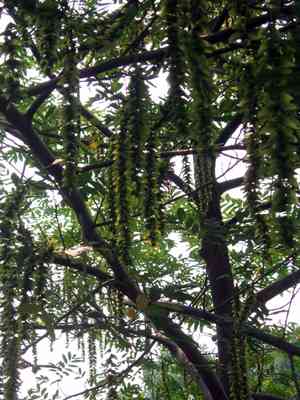
Chinese wingnut (Pterocarya stenoptera)
Also known as: Chinese Wingnut, Wingnut Tree
Pterocarya stenoptera, known as the Chinese wingnut, is a deciduous tree belonging to the walnut family. It typically reaches heights of 15 to 21 meters. Native to China, this tree is often appreciated for its ability to provide ample shade. It produces light green, hanging flowers from spring to summer, followed by distinctive winged seeds which are the source of its common name.
In This Article
Attributes of Chinese wingnut
Lifespan
Perennial
Plant Type
Tree
Plant Height
30 m
Spread
21 m
Leaf Color
Green
Flower Size
15 cm
Flower Color
Green Yellow
Images of Chinese wingnut


Quickly Identify Chinese wingnut
1
Impressive canopy casting dappled shade, with expansive roots visible at the surface.
2
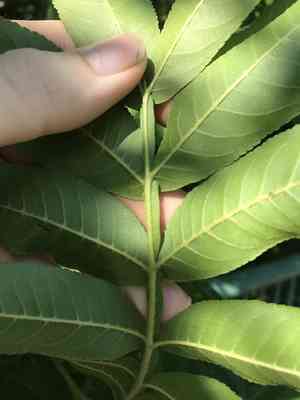
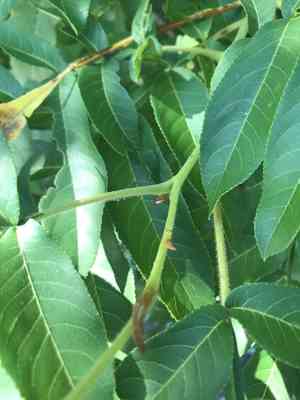
Compound leaves with toothed wings along central veins, turning yellow-green in autumn.
3
Soft, downy new growth in spring and tawny down on older twigs.
4
Distinctive fruits resembling wingnuts, displaying pronounced showiness in brown fall attire.
5
Light green catkin flowers blooming in May-June, forming emerald green, winged nutlets.
Scientific Classification of Chinese wingnut
Phylum
Vascular plants
Class
Dicotyledons
Order
Beeches, walnuts, and allied trees
Family
Walnut
Genus
Wingnuts
Species
Chinese wingnut
Planting and Growing of Chinese wingnut
Care Difficulty
Easy
Watering Schedule
Every 4 days
Sunlight Requirements
Full sun
Sunshine Duration
4-8 hours
Ideal Temperature
60-80℉
Soil Type
Potting Mix, Peat Mix
Soil pH
6.5-7.5
Fertilizer Type
Balanced
Pruning Season
Spring, Summer
Pruning Area
Branches, Leaves
Pruning Frequency
Once a year
Repotting Season
Spring
Pot Type
Plastic, Ceramic
 How to Water Chinese wingnut?
Pterocarya stenoptera, commonly known as Chinese Wingnut, thrives with a steady supply of moisture. Each time you water, aim to provide around 1000ml to ensure the soil remains consistently damp without becoming waterlogged. The principle is to keep the upper few inches of the soil moist to the touch.
What are the symptoms of an underwatered Chinese wingnut?
›
What should I do if my Chinese wingnut is not getting enough water?
›
What are the symptoms of an overwatered Chinese wingnut?
›
How to save an overwatered Chinese wingnut?
›
 What Are the Sunlight Requirements for Chinese wingnut?
Pterocarya stenoptera thrives in full to partial sun conditions, benefiting from 6-8 hours of sunlight daily. Ideal light exposure supports photosynthesis, yielding robust growth, vibrant foliage, and overall plant health.
More About Sunlight Requirements Techniques→
What type of environment does Pterocarya stenoptera thrive in?
›
How can you achieve the ideal light conditions?
›
What are the benefits of providing ideal light conditions?
›
 What Is the Ideal Temperature Range for Chinese wingnut?
The ideal temperature range for Pterocarya stenoptera is between 60°F and 80°F. Within this range, the plant maintains optimal growth and exhibits its best health. Temperatures below or above this range may stress the plant and impact its ability to thrive.
 What Soil is Best for Chinese wingnut?
Pterocarya stenoptera thrives in soil that is rich in organic matter. The abundance of nutrients promotes vigorous growth and aids in its overall health, ensuring lush foliage and robust development. This plant requires soil that retains moisture well without becoming waterlogged. Consistent moisture levels help in sustaining the plant's growth and vitality, preventing stress and dehydration, especially in dry seasons. While moisture is essential, ensuring that the soil provides good drainage is crucial. This characteristic prevents root rot by allowing excess water to escape, protecting the root system and ensuring longevity.
 How to Fertilize Chinese wingnut?
Pterocarya stenoptera benefits from a balanced fertilization approach. Apply 1-2 liters of diluted liquid fertilizer with a general NPK ratio of 10-10-10 for younger plants. For mature trees, adjust based on growth and environmental conditions, ensuring that nutrients are absorbed efficiently without overloading the soil.
 How to Prune Chinese wingnut?
Begin by cutting away any crossing or inward-growing branches to maintain the tree's natural shape. Trim back any long shoots that disrupt the balance, ensuring the tree maintains its pleasing form and doesn't become overcrowded. Remove some of the inner branches to allow light and air to penetrate the canopy. This helps reduce the risk of fungal diseases and encourages healthier leaf and flower development.
More About Pruning Techniques→
 How to Propagate Chinese wingnut plant?
1
Collect mature seeds from the tree in autumn. Store them in a cool place over winter. Sow the seeds in spring in well-draining soil. Cover lightly with soil and keep the surface moist.
2
Select healthy shoots from the parent plant in late spring. Cut sections about 10-15 cm long with at least two nodes each. Remove the lower leaves and dip the cut ends in rooting hormone.
3
Insert the prepared cuttings into a pot with a mix of peat and sand. Keep the medium moist but not waterlogged. Place under indirect sunlight and maintain controlled humidity for best results.
 How to Repot Chinese wingnut plant?
1
Repot Pterocarya stenoptera when you observe its roots protruding from the drainage holes or the plant shows slowed growth even with optimal water and light. This usually signals that the roots have outgrown the current pot and need more space.
2
Select a pot that is one to two inches larger in diameter than the current one. Ensure it has adequate drainage holes to prevent waterlogging. A slightly larger pot allows room for root expansion while reducing the risk of excessive soil moisture, keeping roots healthy.
3
Use a well-draining loam soil, which provides a balance of moisture retention and aeration essential for the plant's root health. It ensures that excess water drains easily, preventing root rot and promoting vigorous root development.



