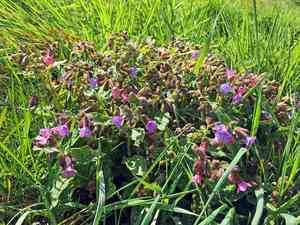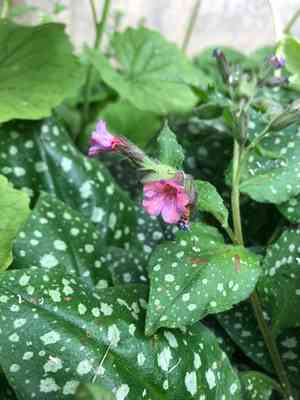
Common lungwort(Pulmonaria officinalis)

Common lungwort (Pulmonaria officinalis)

Also known as: Gevlekt longkruid, Our lady's milk drops

The name "lungwort" derives from the Latin word "pulmo," meaning lung. This herbaceous evergreen, known scientifically as Pulmonaria officinalis, has leaves that visually mimic lung tissue. Used since medieval times, lungwort has been valued for its medicinal properties, particularly in treating respiratory conditions such as coughs and chest infections. The plant is non-invasive and propagates gradually through creeping roots.

Attributes of Common lungwort

Lifespan
Perennial
Plant Type
Herb
Plant Height
30 cm
Spread
30 cm
Leaf Color
Green Silver White Gray Variegated
Flower Size
2.5 cm
Flower Color
Pink Blue Purple

PlantJoy - Identify plants with a snap

Identify and diagnose plants, get toxicity alerts, and explore safety guides for all types of fungi.

Try for Free

Images of Common lungwort

Common lungwort(Pulmonaria officinalis)

Quickly Identify Common lungwort

1
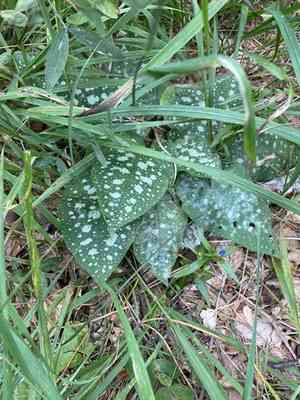
Distinct white spots on green leaves resembling lung tissue
2
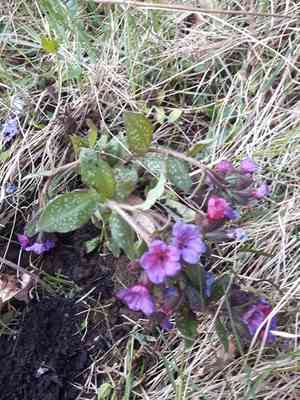
Petite flowers transitioning from purple to blue in spring
3
Rough-textured stem covered with small coarse hairs
4
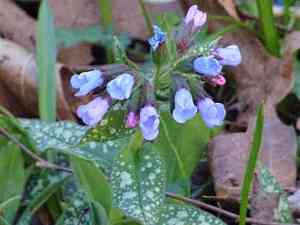
Tubular flowers with graceful petals, shift in color
5
Basal leaves up to 5 inches long, stem leaves shorter

Scientific Classification of Common lungwort

Phylum
Vascular plants
Class
Dicotyledons
Order
Boraginales
Family
Borage
Genus
Lungworts
Species
Common lungwort

Planting and Growing of Common lungwort

Care Difficulty
Easy
Watering Schedule
Every 4 days
Sunlight Requirements
Partial sun
Sunshine Duration
4-8 hours
Ideal Temperature
60-70℉
Soil Type
Potting Mix, Peat Mix
Soil pH
6.5-7.5
Fertilizer Type
Balanced
Pruning Season
Spring, Summer
Pruning Area
Branches, Leaves
Pruning Frequency
2 times a year
Repotting Season
Spring
Pot Type
Plastic, Ceramic

water icon How to Water Common lungwort?

Pulmonaria officinalis appreciates a generous soak, ensuring the soil is consistently moist but not waterlogged. The rule of thumb is to allow the top inch of soil to dry out between waterings, then provide approximately 250 ml of water. This encourages deep root growth and ensures the plant remains hydrated without being overwatered.
What are the symptoms of an underwatered Common lungwort?
What should I do if my Common lungwort is not getting enough water?
What are the symptoms of an overwatered Common lungwort?
How to save an overwatered Common lungwort?

sunlight icon What Are the Sunlight Requirements for Common lungwort?

Sunlight Requirements: Partial sun, Full shade
Duration of light: 3 to 6 hours
Pulmonaria officinalis thrives best under partial sun to full shade, ideally with about 3 to 6 hours of indirect or dappled sunlight. Adequate light fosters vibrant leaves and abundant flowering, enhancing the plant's visual appeal and health.
What is the best environment for Pulmonaria officinalis?
How can I ensure Pulmonaria officinalis receives adequate light?
What benefits does ideal lighting provide to Pulmonaria officinalis?
More About Sunlight Requirements Techniques

temperature icon What Is the Ideal Temperature Range for Common lungwort?

Ideal Temperature: 60 ~ 70℉
Pulmonaria officinalis thrives best within a temperature range of 60°F to 70°F. This range ensures optimal growth and flowering, supporting the plant's ability to photosynthesize efficiently and maintain its moisture levels.

soil icon What Soil is Best for Common lungwort?

Soil type: Loam, Sandy loam, Peat soil
Soil PH: 6.5 ~ 7.5
Pulmonaria officinalis prefers soil that can retain moisture well, as it thrives in slightly humid conditions. This ensures the roots are continually hydrated, promoting lush and vibrant foliage. A nutrient-rich soil is essential for its growth, providing all the necessary minerals and trace elements. This contributes to healthy flowering and robust plant health. Despite needing moisture, the soil must also drain well to prevent waterlogging. Proper drainage helps avoid root rot and other fungal issues.

fertilize icon How to Fertilize Common lungwort?

Fertilizer type: Balanced
When it comes to fertilizing Pulmonaria officinalis, less is more. Ensure to apply fertilizer sparingly as this plant thrives best in moderately fertile soil. Use 1/4 strength of the recommended dose for liquid fertilizers and follow the packaging guidelines for granules to avoid over-fertilization.

prune icon How to Prune Common lungwort?

Pruning Time: Spring, Summer
While pruning, it is crucial not to over-prune Pulmonaria officinalis. Removing too many leaves can stress the plant, reducing its ability to photosynthesize effectively and potentially leading to weakened growth. It's best to remove no more than a third of the plant’s foliage at any time. The optimal time for pruning is during spring and early summer when new growth is most vigorous. Focusing on these seasons allows the plant to recover more quickly and utilize the growing conditions to develop more robustly. Avoid heavy pruning in autumn or winter, as the plant needs its foliage to store energy for the colder months. More About Pruning Techniques

propagate icon How to Propagate Common lungwort plant?

Propagate Time: Spring, Early spring, Late spring
1
Start by collecting mature seeds from Pulmonaria officinalis plants. Ensure the seeds are completely dry before storage to prevent mold. Soak them overnight before sowing to enhance germination rates.
2
Fill a seed tray with a well-draining soil mix and evenly distribute the soaked seeds on the surface. Cover lightly with soil, water gently, and position the tray in indirect sunlight to encourage germination.
3
Dig up a mature plant in early spring, ensuring minimal root disturbance. Using pruning shears, divide the clump into smaller sections. Replant immediately in well-prepared soil, keeping them well-watered until established.
More About Propagating Techniques

repot icon How to Repot Common lungwort plant?

Repotting frequency: Every 2-3 years
1
Pulmonaria officinalis signals for repotting through root growth poking out of drainage holes, reduced vigor, or poor soil drainage. Spring or autumn provides the best conditions as the plant is not under the stress of extreme temperatures and can settle into its new home comfortably.
2
Selecting the right pot is essential for Pulmonaria officinalis. Opt for one with good drainage holes to prevent root rot and make sure it’s slightly larger than the current pot. This allows roots to expand and helps in better moisture retention, aiding in healthy growth.
3
The ideal soil for repotting Pulmonaria officinalis should be well-draining with a slightly acidic nature. A mix containing peat, compost, and a bit of sand works well. This blend supports proper air circulation around roots and promotes healthy development.

PlantJoy - Identify plants with a snap

Find the best spots for them to optimize their health, simply using your phone.

Try for Free

Toxicity of Common lungwort

Is Common lungwort toxic to cat?

Common lungwort is hazardous to felines, with exposure usually arising from accidental ingestion of the plant. The stems, flowers, and leaves of common lungwort are the sections that present a danger. Should a cat ingest any part of common lungwort, it might display symptoms of distress or illness. If ingestion occurs, it is essential to obtain prompt veterinary care to safeguard the cat’s safety and health. Timely action is vital for addressing toxic impacts and averting more serious health issues.

Is Common lungwort toxic to dog?

Common lungwort is regarded as toxic to dogs. Canines might inadvertently consume various parts of the plant, including stems, flowers, and leaves, resulting in potential poisoning. If a dog accidentally eats any section of the common lungwort, they may display symptoms that require urgent attention. Owners must remain watchful for indications of discomfort in their pets, such as gastrointestinal issues, vomiting, diarrhea, or more serious reactions that depend on the quantity ingested. Should ingestion be suspected, it is essential to seek immediate medical care at a veterinary clinic to safeguard the animal's health and wellbeing.

Identify toxic plants for your safety

Learn which plants are harmful to you and your pets, and make informed choices for a safer home!

Try for Free
WARNING
The judgment on toxicity and danger is for reference only. We DO NOT GUARANTEE any accuracy of such judgment. Therefore, you SHALL NOT rely on such judgment. It is IMPORTANT TO SEEK PROFESSIONAL ADVICE in advance when necessary.
More About Toxic Techniques