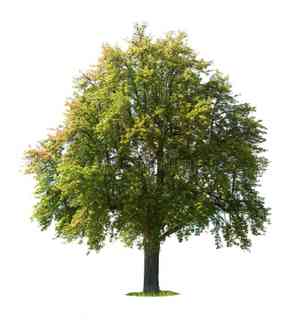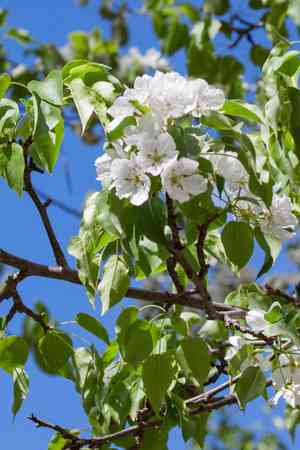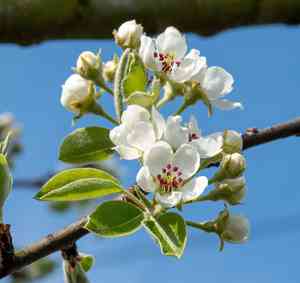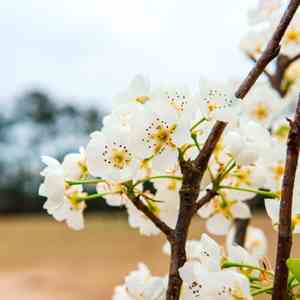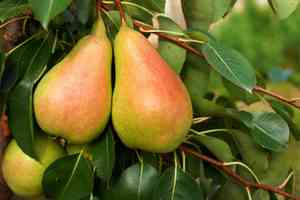
Common pear(Pyrus communis)

Common pear (Pyrus communis)

Also known as: European pear, Pear

The common pear, enjoyed globally, stands out due to the presence of hard particles known as stone cells in its flesh, which create a distinct gritty texture when consumed. With proper care, a pear tree can also boast a lifespan of 50-75 years.

Attributes of Common pear

Lifespan
Perennial
Plant Type
Tree
Plant Height
2 m to 20 m
Spread
6 m
Leaf Color
Green Red Orange
Flower Size
1.5 cm to 3 cm
Flower Color
White Yellow

PlantJoy - Identify plants with a snap

Identify and diagnose plants, get toxicity alerts, and explore safety guides for all types of fungi.

Try for Free

Images of Common pear

Common pear(Pyrus communis)

Quickly Identify Common pear

1
2-5 inch (5-12 cm) oval to broad ovate leaves with smooth texture and consistent green coloration.
2
1 inch (2.5 cm) diameter white flowers in symmetrical star-like clusters with mild fragrance.
3
Varied spherical to teardrop-shaped fruits, 2.5-6 inches (6-15 cm) tall, with firm, textured skin.
4
Thick, branching stems up to 1 inch (2.5 cm) in diameter, with zigzag pattern and color transition.
5
Robust trunk reaching up to 20 inches (50 cm) in diameter, with steel-gray bark developing linear furrows.

Scientific Classification of Common pear

Phylum
Vascular plants
Class
Dicotyledons
Order
Roses, elms, figs, and allies
Family
Rose
Genus
Pears
Species
Common pear

Planting and Growing of Common pear

Care Difficulty
Moderate
Watering Schedule
Every 3 days
Sunlight Requirements
Full sun
Sunshine Duration
6-10 hours
Ideal Temperature
60-75℉
Soil Type
Potting Mix, Peat Mix
Soil pH
6.5-7.5
Fertilizer Type
Balanced
Pruning Season
Spring, Summer
Pruning Area
Branches, Leaves
Pruning Frequency
2 times a year
Repotting Season
Spring
Pot Type
Plastic, Ceramic

water icon How to Water Common pear?

For Pyrus communis, the watering amount should be enough to deeply moisten the root zone. Ensure the soil feels consistently moist about 5-10 cm (2-4 inches) deep. Too much water can rot the roots, so balance is key.
What are the symptoms of an underwatered Common pear?
What should I do if my Common pear is not getting enough water?
What are the symptoms of an overwatered Common pear?
How to save an overwatered Common pear?

sunlight icon What Are the Sunlight Requirements for Common pear?

Sunlight Requirements: Full sun, Partial sun
Duration of light: 6 to 8 hours daily
Pyrus communis thrives best in full sun, optimally receiving 6 to 8 hours a day. Ideal light encourages robust growth, improves leaf health, and enhances fruit yield by driving effective photosynthesis.
How much sunlight does Pyrus communis need?
What can you do to ensure ideal lighting?
What happens if Pyrus communis gets ideal light?

temperature icon What Is the Ideal Temperature Range for Common pear?

Ideal Temperature: 60 ~ 75℉
For optimal growth, Pyrus communis, commonly known as the European pear, thrives best in temperatures ranging from 60°F to 75°F. This range provides the perfect balance of warmth needed for photosynthesis and metabolic processes without causing stress to the plant. Maintaining this temperature range encourages healthy flowering and fruit setting.

soil icon What Soil is Best for Common pear?

Soil type: Loam, Sandy loam
Soil PH: 6.5 ~ 7.5
Pyrus communis thrives in well-drained soil, which prevents waterlogging and root rot. This condition helps ensure the roots have ample oxygen while reducing the risk of fungal diseases, promoting healthy growth and fruit production. This plant prefers soil rich in organic matter and nutrients, offering a continuous supply of essential elements for photosynthesis and vigorous growth. Adequate nutrients are critical for robust foliage and bountiful fruit yield. While drainage is crucial, having a soil mix that retains some moisture ensures the plant has a stable supply during dry spells, particularly in its growing season. This balance aids in maintaining consistent hydration for optimal health.

fertilize icon How to Fertilize Common pear?

Fertilizer type: Balanced
For Pyrus communis, it's crucial to provide balanced nutrients without overloading the soil. Typically, you should apply liquid fertilizer at a concentration of half a teaspoon per gallon of water. For slow-release granules, use about one cup per inch of trunk diameter, spread evenly under the canopy. This ensures a steady nutrient supply, promoting growth and fruit production without risk of burning the roots or leaves.

prune icon How to Prune Common pear?

Pruning Time: Spring, Summer, Autumn
Begin by examining the overall structure of your Pyrus communis during late winter or early spring before buds break. Identify any branches that are dead, diseased, or damaged, as well as those that are crossing or growing inward. This initial assessment helps you plan where cuts are needed to improve air circulation and sunlight penetration. Use sharp, sterilized pruning shears to cut away dead, diseased, or damaged branches. Make clean cuts just above a healthy outward-facing bud or lateral branch. Removing these problem branches not only prevents the spread of disease but also encourages new, vigorous growth. To improve air circulation and sunlight infiltration, thin out crowded areas by removing entire branches. Focus on branches that are growing inward toward the tree’s center or crossing each other. Thinning also reduces the risk of fungal infections and helps develop strong fruiting wood. Trim back overgrown branches to maintain the desired size and shape of your pear tree. Ensure that the tree balances an open center with evenly spaced scaffold branches. Keeping the canopy open allows sunlight to reach the interior and helps ripen fruit evenly.

propagate icon How to Propagate Common pear plant?

Propagate Time: Early spring,Late spring,Summer
1
Collect ripe seeds from a healthy pear tree in autumn. Clean the seeds thoroughly to remove any pulp. This cleaning is crucial to prevent mold formation during storage.
2
Select a healthy branch and cut a 6-8 inch section below a node. Remove any leaves from the lower half of the cutting to prevent rot when placed in soil or water.
3
Choose a compatible rootstock and prepare a V-shaped notch. Insert the scion into the rootstock's notch and secure it with grafting tape, ensuring no air gaps.

repot icon How to Repot Common pear plant?

Repotting frequency: Every 2-3 years
1
Pyrus communis, commonly known as the pear tree, typically shows signs of needing repotting when roots begin to grow out of the drainage holes or when the growth visibly slows despite adequate care. Spring is the best time to repot as the plant will be entering its active growing stage, providing it ample time to adjust and establish itself in the new environment.
2
Select a pot that's 2-3 inches larger in diameter than the current one, with adequate drainage holes to avoid water logging. A slightly larger pot helps in providing more room for root expansion, promoting healthier and more vigorous growth. The drainage is crucial to prevent root rot, ensuring the plant's roots don't sit in excess water.
3
Opt for well-draining loamy soil enriched with organic matter. This type of soil mimics the natural conditions in which Pyrus communis thrives. The loamy texture ensures proper water retention without making the soil too heavy, while organic matter provides the essential nutrients, contributing to the overall health and productivity of the plant.

PlantJoy - Identify plants with a snap

Find the best spots for them to optimize their health, simply using your phone.

Try for Free

Toxicity of Common pear

Is Common pear toxic to cat?

The common pear presents a mild risk of toxicity to cats if consumed in significant amounts, especially its seeds. When a cat ingests a substantial quantity of these seeds, it may show symptoms of physical discomfort. While not all encounters with the common pear lead to toxicity, it is essential for cat owners to exercise caution and keep their pets from consuming large amounts of this plant. If ingestion is suspected, it is crucial to seek prompt veterinary care to safeguard the cat's health and well-being.

Is Common pear toxic to dog?

The common pear presents a mild toxicity hazard for dogs, particularly when they ingest seeds in significant quantities. Dogs that consume these plant parts may experience gastrointestinal distress or more severe symptoms depending on the amount eaten. It is essential for dog owners to keep a close watch on their pets and restrict access to areas where they could find and consume large amounts of common pear seeds. Should a dog ingest common pear seeds and exhibit any symptoms of poisoning, it is crucial to seek urgent veterinary assistance to guarantee timely and suitable treatment.

Identify toxic plants for your safety

Learn which plants are harmful to you and your pets, and make informed choices for a safer home!

Try for Free
WARNING
The judgment on toxicity and danger is for reference only. We DO NOT GUARANTEE any accuracy of such judgment. Therefore, you SHALL NOT rely on such judgment. It is IMPORTANT TO SEEK PROFESSIONAL ADVICE in advance when necessary.