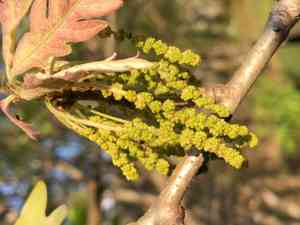
Oaks (Quercus) (Quercus)
Also known as: Oak, common oak
Oak trees are renowned for their longevity, often living for more than 1,000 years. The oldest recorded oak, found in the southern United States, is over 1,500 years old. Oak wood is highly sought after and utilized in a variety of products like furniture, flooring, and wine barrels due to its strength and attractive grain.
In This Article
Attributes of Oaks (Quercus)
Lifespan
Perennial
Plant Height
20 to 40 meters
Spread
6 to 20 meters
Leaf Color
Green
Flower Size
Small, usually less than 1 cm
Flower Color
Yellow Red Green
Images of Oaks (Quercus)
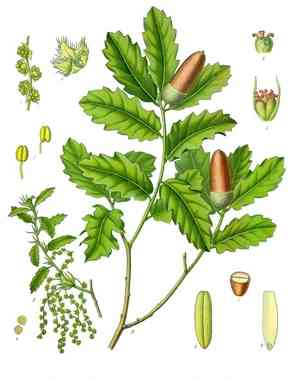
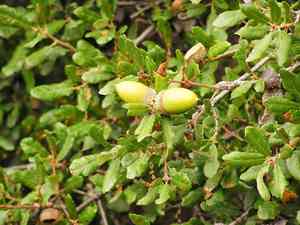
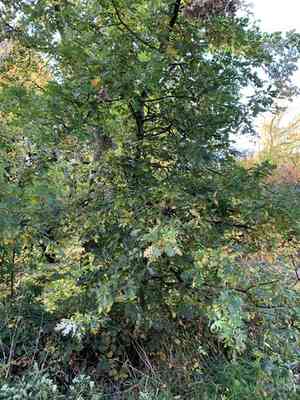
Quickly Identify Oaks (Quercus)
1
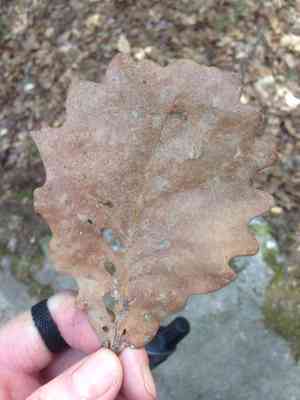
To identify an oak tree, look for its lobed leaves, which are often toothed and have a characteristic shape. Oak trees produce acorns, which are typically round or oval with a cap. Their bark is generally ridged and can be deeply furrowed. The wood is strong, open-grained, and tough.
Scientific Classification of Oaks (Quercus)
Phylum
Magnoliophyta
Class
Magnoliopsida
Order
Fagales
Family
Fagaceae
Genus
Quercus
Planting and Growing of Oaks (Quercus)
Care Difficulty
Moderate
Watering Schedule
Every 4 days
Sunlight Requirements
Full sun
Sunshine Duration
4-8 hours
Ideal Temperature
60-75℉
Soil Type
Potting Mix, Peat Mix
Soil pH
6.5-7.5
Fertilizer Type
Balanced
Pruning Season
Spring, Summer
Pruning Area
Branches, Leaves
Pruning Frequency
2 times a year
Repotting Season
Spring
Pot Type
Terracotta, Plastic
 How to Water Oaks (Quercus)?
Oak trees, like Quercus species, should be watered deeply and infrequently. The key is to ensure that the root zone is thoroughly moist but not waterlogged. It's generally best to aim for about 1000 milliliters (ml) of water per watering session. This amount should adequately soak the roots to a depth of at least several inches, promoting healthy root development and a robust canopy.
What are the symptoms of an underwatered Oaks (Quercus)?
›
What should I do if my Oaks (Quercus) is not getting enough water?
›
What are the symptoms of an overwatered Oaks (Quercus)?
›
How to save an overwatered Oaks (Quercus)?
›
 What Are the Sunlight Requirements for Oaks (Quercus)?
Ideal light is a mix of full sun and partial sun, equating to about 6-8 hours of natural light. This setting encourages healthy growth and optimizes photosynthetic efficiency.
How much sun does Quercus need?
›
Solutions for achieving ideal lighting?
›
Benefits of ideal lighting on Quercus?
›
 What Is the Ideal Temperature Range for Oaks (Quercus)?
The ideal temperature range for Quercus species generally falls between 60°F to 75°F. This range allows the oak tree to maintain optimal metabolic functions and supports healthy growth. Ensuring that temperatures remain within this range encourages strong leaf development and robust root systems.
 What Soil is Best for Oaks (Quercus)?
Quercus thrives in well-draining soil, which prevents water from stagnating around the roots. This helps to prevent root rot and ensures the tree has access to oxygen, promoting healthy growth. The tree benefits from a nutrient-rich mixture filled with organic matter. This provides essential nutrients that support leaf development and overall vitality, ensuring robust growth. Quercus prefers soil that holds some moisture without becoming waterlogged. This balance ensures that the roots remain hydrated while preventing fungal issues.
 How to Fertilize Oaks (Quercus)?
The oak tree, known as Quercus, has diverse nutrient requirements depending on its specific species and the soil it's planted in. There is no one-size-fits-all for this mighty tree; generally, young trees should receive around 0.5 pounds of nitrogen per year for every inch of trunk diameter. As the tree grows, adjust the amount based on soil tests to prevent over-fertilization.
 How to Prune Oaks (Quercus)?
Begin by inspecting the overall structure of the oak. Look for dead, damaged, or diseased branches that should be removed first. Identify any branches that are crossing or rubbing against each other as these can cause wounds. Start pruning from the bottom up. Make cuts at the branch collar, which is the enlarged part of a branch that connects to the trunk. This promotes healing and the growth of new wood. If shaping the tree, concentrate on maintaining a balanced structure. Remove any suckers or water sprouts that appear vertically from the base or main branches, as these can divert the tree’s energy from more vital growth areas.
 How to Propagate Oaks (Quercus) plant?
1
Collect acorns in the fall and perform a float test to check viability. Discard those that float and use the viable acorns for seed propagation. Store them in a cool, dry place until sowing.
2
Stratify acorns by placing them in a container with a mix of sand and peat moss. Keep them in a refrigerator for 1 to 3 months. This simulates winter conditions necessary for germination.
3
For grafting, select a healthy scion and rootstock of similar size. Make a clean cut in both materials, fit them together, and secure them with grafting tape. Place the graft in a sheltered area to promote healing.
 How to Repot Oaks (Quercus) plant?
1
Repot your Quercus when you notice slow growth, roots emerging from drainage holes, or the soil drying out too quickly. These indicators often suggest that the plant has outgrown its current container, or the soil has been depleted of essential nutrients. Spring and autumn are ideal seasons due to moderate temperatures and increased root growth.
2
Select a pot that is 2-3 inches larger in diameter than the current one, ensuring it has drainage holes to prevent waterlogging. A slightly larger pot allows for root expansion and prevents growth stagnation while facilitating better drainage and oxygen flow to roots. Choose materials like terracotta for enhanced moisture regulation.
3
Opt for a rich, well-draining soil mix combining loam, sand, and organic matter. This blend mimics the Quercus's natural habitat, providing essential nutrients and preventing compaction that could lead to root rot. A well-aerated soil ensures roots can breathe, promoting healthy growth.
Toxicity of Oaks (Quercus)
Is Oaks (Quercus) toxic to humans?
Oaks are trees or shrubs prevalent in the tropical and temperate areas of the Northern Hemisphere. They produce tannic acid, a substance that is harmful to cats, dogs, horses, and cattle.
WARNING
The judgment on toxicity and danger is for reference only. We DO NOT GUARANTEE any accuracy of such judgment. Therefore, you SHALL NOT rely on such judgment. It is IMPORTANT TO SEEK PROFESSIONAL ADVICE in advance when necessary.


