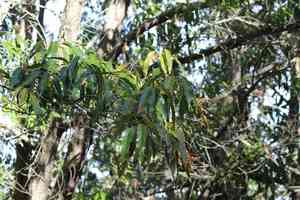
Sawtooth oak(Quercus acutissima)

Sawtooth oak (Quercus acutissima)

Also known as: Japanese silkworm oak

The Ubame oak (Quercus phillyraeoides) is an Asian oak species native to China, Korea, and Japan. Its wood is traditionally used to produce the high-quality charcoal essential for Japanese tea ceremonies.

Attributes of Sawtooth oak

Lifespan
Perennial
Plant Type
Tree
Plant Height
30 m
Spread
12 m to 18 m
Leaf Color
Green Yellow
Flower Size
2.5 cm
Flower Color
Yellow Green Gold

PlantJoy - Identify plants with a snap

Identify and diagnose plants, get toxicity alerts, and explore safety guides for all types of fungi.

Try for Free

Images of Sawtooth oak

Sawtooth oak(Quercus acutissima)

Quickly Identify Sawtooth oak

1
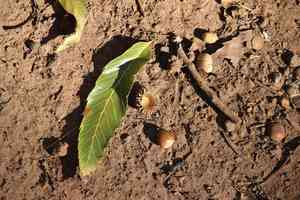
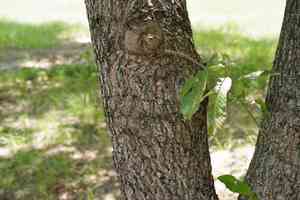
Tree reaches 40-60 feet (12-18 meters), with a distinctive trunk bark displaying corky ridges and furrows.
2
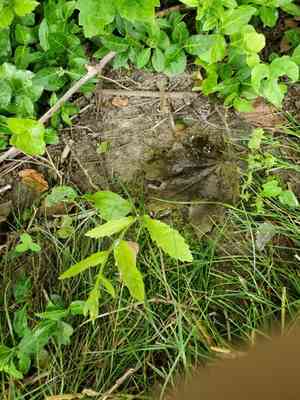
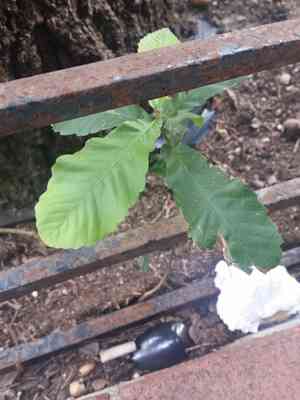
Leaves are dark green, lance-shaped, and adorned with bristle-tipped marginal teeth.
3
Male flowers appear as yellowish-green, golden, pendant catkins measuring 2-4 inches (5-10 cm).
4
Acorns are 1 inch (2.5 cm) long, held in spiny cups covering two-thirds of each nut.
5
Twig stems have red to gray-brown color, triangular twigs, and pyramidal, imbricate buds.

Scientific Classification of Sawtooth oak

Phylum
Vascular plants
Class
Dicotyledons
Order
Fagales
Family
Beech
Genus
Oaks
Species
Sawtooth oak

Planting and Growing of Sawtooth oak

Care Difficulty
Easy
Watering Schedule
Every 2 days
Sunlight Requirements
Full sun
Sunshine Duration
6-10 hours
Ideal Temperature
60-75℉
Soil Type
Potting Mix, Peat Mix
Soil pH
6-7.5
Fertilizer Type
Balanced
Pruning Season
Spring, Summer
Pruning Area
Branches, Leaves
Pruning Frequency
Once a year
Repotting Season
Spring
Pot Type
Plastic, Ceramic

water icon How to Water Sawtooth oak?

Quercus acutissima requires a substantial amount of water each time, particularly focusing on deeply soaking the soil. The principle to follow is that the root zone should receive sufficient moisture, mimicking its natural habitat of moderate to moist conditions.
What are the symptoms of an underwatered Sawtooth oak?
What should I do if my Sawtooth oak is not getting enough water?
What are the symptoms of an overwatered Sawtooth oak?
How to save an overwatered Sawtooth oak?

sunlight icon What Are the Sunlight Requirements for Sawtooth oak?

Sunlight Requirements: Full sun, Partial sun
Duration of light: 6 to 8 hours daily
Prefers full to partial sunlight. Ideal light encourages vigorous growth, robust foliage, and a resilient structure critical for long-term health and beauty of Quercus acutissima.
What is the ideal lighting condition for Quercus acutissima?
What solutions can be implemented to achieve ideal lighting?
What are the benefits of optimal lighting conditions?

temperature icon What Is the Ideal Temperature Range for Sawtooth oak?

Ideal Temperature: 60 ~ 75℉
The ideal temperature range for Quercus acutissima, commonly known as the sawtooth oak, lies between 60 and 75 degrees Fahrenheit. This range provides the optimal conditions for physiological processes like nutrient uptake and photosynthesis, ensuring healthy growth and development. Maintaining this temperature range allows the plant to thrive in its natural habitat or cultivated environments, mimicking the conditions that support its native growth patterns.

soil icon What Soil is Best for Sawtooth oak?

Soil type: Loam, Sandy loam, Clay soil
Soil PH: 6 ~ 7.5
Quercus acutissima prefers well-drained soil to prevent root rot. Adequate drainage helps to keep the soil from waterlogging, which is crucial in maintaining healthy root systems and promoting vigorous growth. Fertility plays a big role in the health of Quercus acutissima. A nutrient-rich soil supports healthy foliage and robust branching. Ensure the soil is rich in organic matter for optimal growth. While Quercus acutissima can tolerate some drought, it thrives when the soil retains moderate moisture. Regular watering is essential during dry periods to maintain ideal moisture levels for growth.

fertilize icon How to Fertilize Sawtooth oak?

Fertilizer type: Balanced
For Quercus acutissima, the recommended amount of fertilizer varies depending on its growth stage. Young trees require lighter application, approximately 50 grams of balanced fertilizer per application, while mature trees benefit from around 100 grams. Avoid exceeding these amounts to prevent nutrient overload.

prune icon How to Prune Sawtooth oak?

Pruning Time: Spring, Summer
Begin pruning by identifying and removing any dead, diseased, or damaged branches. This helps prevent the spread of disease throughout the tree and ensures that resources are not wasted on non-viable parts. Shape Quercus acutissima to maintain its natural form while ensuring that branches are well-spaced and not crossing. Prune to encourage a sturdy, open structure that allows light and air to penetrate the canopy. Make clean cuts at a 45-degree angle just above a bud or branch node, facing outward. This encourages growth in the desired direction and prevents water from collecting on the cut surface, reducing the risk of rot.

propagate icon How to Propagate Sawtooth oak plant?

Propagate Time: Early spring, Late spring
1
Collect acorns in autumn and stratify them over winter to break dormancy. Soak them in water for 24 hours, then plant in seed trays filled with well-draining soil.
2
Select healthy parent branches in early spring for grafting. The scion should have several viable buds and be similar in diameter to the rootstock to ensure compatibility.
3
Make a diagonal cut both on the prepared scion and rootstock, and align them precisely. Secure their union with grafting tape to hold both parts firmly together.

repot icon How to Repot Sawtooth oak plant?

Repotting frequency: Every 2-3 years
1
Primarily look for signals such as slowed growth, roots emerging from drainage holes, or when the soil dries out too quickly. These are clear signs that it's time to give your Quercus acutissima a new, more spacious container to thrive and expand.
2
Select a pot that is just one size larger than the current one, ensuring it has adequate drainage holes. This avoids excessive root growth, which helps in better nutrient absorption and prevents waterlogging, fostering a healthy growing environment.
3
Opt for a well-draining, loamy mix with good aeration to support root health. This type of soil ensures that roots receive adequate oxygen while preventing the issues associated with overwatering, allowing the plant to maintain robustness.

PlantJoy - Identify plants with a snap

Find the best spots for them to optimize their health, simply using your phone.

Try for Free

Toxicity of Sawtooth oak

Is Sawtooth oak toxic to humans?

The sawtooth oak, like other species in the *Quercus* family, can elicit toxic reactions in humans if consumed. The severity of symptoms can vary from mild to moderate. This toxicity is primarily attributed to the tannins found in the young leaves and acorns. Ingesting these plant parts may lead to gastrointestinal issues such as nausea, constipation, bloody stool, diarrhea, increased urination, and profound thirst. Given that these trees are frequently planted as ornamental features in parks and residential areas, they may be easily accessible to children, who might inadvertently pick and eat the young leaves or acorns.

Is Sawtooth oak toxic to cat?

The sawtooth oak presents a mild toxicity risk to felines. Poisoning is typically a result of cats ingesting substantial amounts of its leaves or seeds. While the specific toxic compounds remain unspecified, pet owners should remain vigilant for any symptoms suggesting their cat has consumed parts of the sawtooth oak. If a cat shows signs of discomfort or illness following exposure to this tree, it is crucial to seek prompt attention from a veterinary clinic. Early intervention can alleviate the impact of the toxins and safeguard the health of the cat.

Is Sawtooth oak toxic to dog?

The sawtooth oak plant species is recognized for its mild toxicity to dogs. If dogs consume significant amounts of its leaves or seeds, they may become poisoned. Symptoms that may arise after ingesting parts of the sawtooth oak include gastrointestinal distress, vomiting, or diarrhea. It is essential for dog owners to keep a close watch on their pets and prevent them from eating large amounts of this plant. Should a dog consume sawtooth oak and start showing signs of poisoning, it is crucial to seek immediate veterinary assistance to safeguard the animal's health and well-being.

Identify toxic plants for your safety

Learn which plants are harmful to you and your pets, and make informed choices for a safer home!

Try for Free
WARNING
The judgment on toxicity and danger is for reference only. We DO NOT GUARANTEE any accuracy of such judgment. Therefore, you SHALL NOT rely on such judgment. It is IMPORTANT TO SEEK PROFESSIONAL ADVICE in advance when necessary.