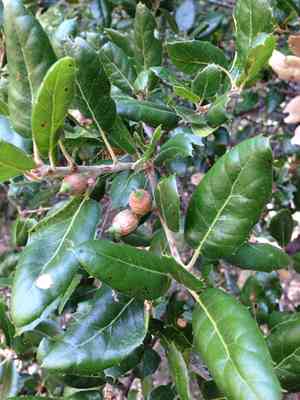
Coast live oak (Quercus agrifolia)
Also known as: Evergreen oak
The Coast Live Oak (Quercus agrifolia) is an evergreen tree known for its shrublike characteristics. Found from California to Mexico, it is frequently used in modern U.S. landscaping. Native Americans traditionally valued its acorns as a food source.
Attributes of Coast live oak
Images of Coast live oak
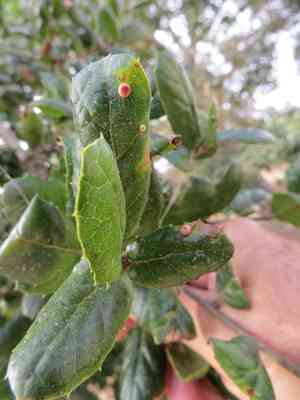
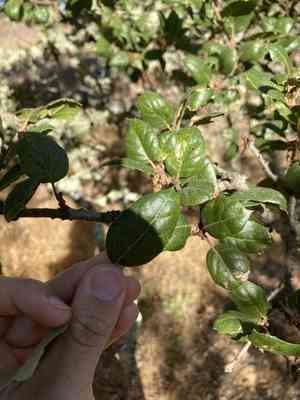
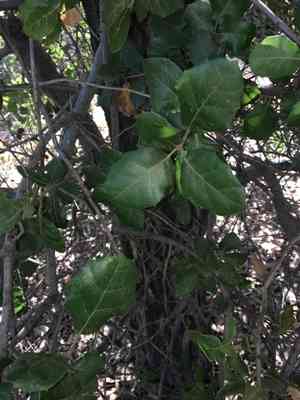
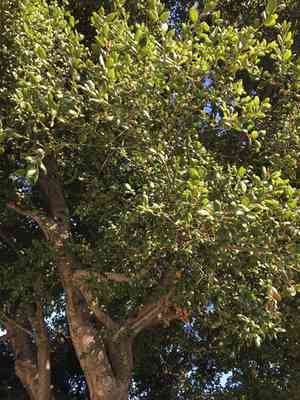
Quickly Identify Coast live oak
Scientific Classification of Coast live oak
Planting and Growing of Coast live oak
 How to Water Coast live oak?
 What Are the Sunlight Requirements for Coast live oak?
 What Is the Ideal Temperature Range for Coast live oak?
 What Soil is Best for Coast live oak?
 How to Fertilize Coast live oak?
 How to Prune Coast live oak?
 How to Propagate Coast live oak plant?
 How to Repot Coast live oak plant?
Toxicity of Coast live oak
Is Coast live oak toxic to humans?
The tissues of the coast live oak tree contain tannins, which are present in its leaves and seeds. This characteristic renders the plant extremely bitter to most animals, causing them to avoid it. However, young children and other vulnerable individuals might mistakenly consume parts of the tree. Tannins primarily lead to digestive disturbances, which can include constipation, diarrhea, nausea, abdominal cramping, and colic. Prolonged exposure may lead to depressive symptoms and the presence of profuse, discolored urine. Additionally, any acorns that are swallowed intact pose a risk of choking or bowel obstruction. It is essential to keep small children away from this tree.
Is Coast live oak toxic to cat?
Coast live oak has a mild toxic effect on cats. Cats face the risk of poisoning when they consume significant amounts of the plant's leaves or seeds. Following ingestion, they may show symptoms of physical distress or illness. Therefore, it is crucial to obtain prompt attention from a veterinary facility to reduce harmful effects and safeguard the cat's health and welfare.
Is Coast live oak toxic to dog?
The coast live oak presents a slight toxicity risk to dogs. If canines consume excessive amounts of its leaves or seeds, they may experience poisoning. Symptoms can include gastrointestinal disturbance, vomiting, or diarrhea following the ingestion of coast live oak parts. Therefore, it is vital for dog owners to keep a close eye on their pets and discourage them from eating large quantities of this plant. If a dog does consume coast live oak and shows symptoms of poisoning, seeking immediate veterinary assistance is crucial to safeguard the animal's health and well-being.



