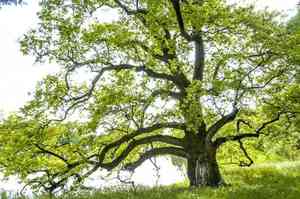
White oak (Quercus alba)
Also known as: Eastern white oak
Quercus alba, commonly known as white oak, produces wood that is highly valued for its durability and aesthetic appeal. The processed wood of white oak is utilized in various applications:
1. **Furniture**: Its attractive grain and finish make it a popular choice for high-quality furniture.
2. **Flooring**: The wood's hardness and durability are ideal for long-lasting flooring solutions.
3. **Barrels**: Its moisture resistance makes it perfect for crafting barrels used in aging wines and spirits.
4. **Boatbuilding**: The wood's resistance to rot is beneficial for constructing boats.
5. **Interior Millwork**: Used for decorative elements such as paneling, trim, and moldings.
6. **Cabinetry**: Often employed in kitchen and bathroom cabinets due to its strength and beauty.
While the tree itself is not often grown as an ornamental because of its large size, its wood remains a versatile and highly valued material in various industries.
Attributes of White oak
Images of White oak
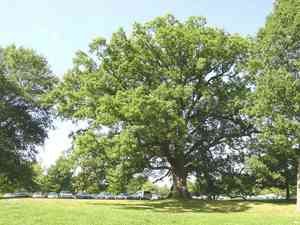
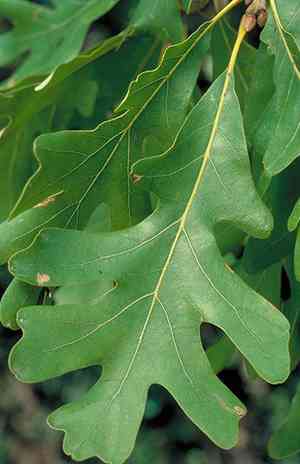
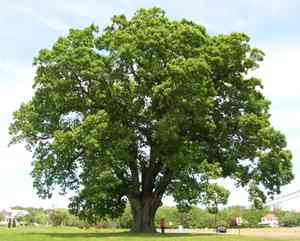
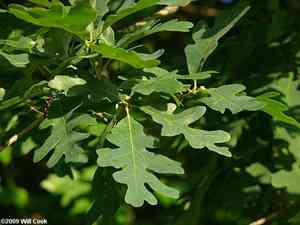
Quickly Identify White oak
Scientific Classification of White oak
Planting and Growing of White oak
 How to Water White oak?
 What Are the Sunlight Requirements for White oak?
 What Is the Ideal Temperature Range for White oak?
 What Soil is Best for White oak?
 How to Fertilize White oak?
 How to Prune White oak?
 How to Propagate White oak plant?
 How to Repot White oak plant?
Toxicity of White oak
Is White oak toxic to humans?
The white oak possesses certain toxic properties that can adversely impact humans upon ingestion. The effects are generally mild to moderate in severity. The source of its toxicity lies in the tannins present in the young leaves and acorns. Consumption of these components may result in symptoms such as stomach pain, constipation, bloody stools, diarrhea, increased urination, and severe thirst. Commonly found in parks and gardens, these trees present a risk as children might unknowingly collect and consume these dangerous plant parts, mistakenly believing them to be harmless.
Is White oak toxic to cat?
White oak contains a low level of toxicity that poses a risk to feline well-being, particularly when cats ingest large amounts of its leaves or seeds. This can lead to general indicators of physical discomfort or illness in the cat. It is crucial to observe a cat’s behavior around this plant and to obtain prompt veterinary assistance if any troubling symptoms occur, as they may be vague. Swift medical intervention at a veterinary clinic is crucial for effectively addressing the cat's health after any suspected poisoning from white oak.
Is White oak toxic to dog?
The white oak plant species is regarded as having a low toxicity level for dogs. If dogs consume large quantities of its leaves or seeds, they can experience poisoning from this plant. Although the toxicity is classified as mild, pet owners should stay vigilant, as significant ingestion can result in negative health consequences. Symptoms indicative of poisoning from white oak may encompass gastrointestinal distress, including vomiting or diarrhea, along with other indications of discomfort. Should a dog ingest any part of the white oak, it is essential for pet owners to obtain prompt veterinary assistance to guarantee appropriate treatment and management of any possible toxic effects.



