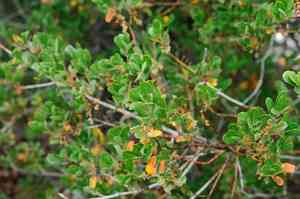
California scrub oak (Quercus berberidifolia)
Also known as: Inland Scrub Oak
The California black oak (Quercus kelloggii), native to the western United States, is a deciduous oak species. Its common name, "black oak," is occasionally used for other related species in the region.
In This Article
Attributes of California scrub oak
Lifespan
Perennial
Plant Type
Shrub
Plant Height
1 m to 4 m
Spread
4.5 m
Leaf Color
Green Blue
Flower Size
2.5 cm
Flower Color
Yellow Green
Images of California scrub oak
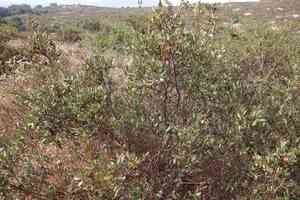
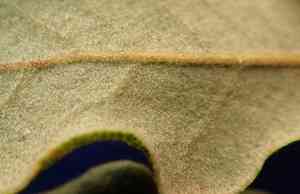
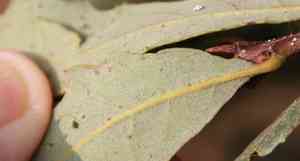
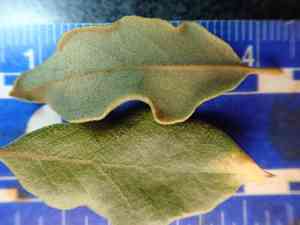
Quickly Identify California scrub oak
1
Spiny holly-like leaves with few trichomes on undersides.
2
Distinctively small fat acorns from female flowers.
3
Smooth, gray to green-gray bark on the shrub.
4
Reaches up to 9 to 10 feet (2.7 to 3 meters) in height.
5
Thrives in full sun to part shade, with well-drained soil preference.
Scientific Classification of California scrub oak
Phylum
Vascular plants
Class
Dicotyledons
Order
Fagales
Family
Beech
Genus
Oaks
Species
California scrub oak
Planting and Growing of California scrub oak
Care Difficulty
Easy
Watering Schedule
Every 2 days
Sunlight Requirements
Full sun
Sunshine Duration
6-10 hours
Ideal Temperature
60-75℉
Soil Type
Potting Mix, Peat Mix
Soil pH
6.5-7.5
Fertilizer Type
Balanced
Pruning Season
Spring, Summer
Pruning Area
Branches, Leaves
Pruning Frequency
2 times a year
Repotting Season
Spring
Pot Type
Plastic, Ceramic
 How to Water California scrub oak?
The watering volume for Quercus berberidifolia should aim to thoroughly moisten the soil until water drains out from the bottom of the pot. The key is to saturate the root zone without waterlogging it. This allows for deeper soil penetration that benefits root health and ensures the oak doesn't sit in overly wet soil, which could lead to root rot.
What are the symptoms of an underwatered California scrub oak?
›
What should I do if my California scrub oak is not getting enough water?
›
What are the symptoms of an overwatered California scrub oak?
›
How to save an overwatered California scrub oak?
›
 What Are the Sunlight Requirements for California scrub oak?
Quercus berberidifolia thrives optimally with 6 to 8 hours of sunlight. This range encourages steady growth, prevents legginess, and fosters dense foliage, critical factors in maintaining its characteristic shrub form.
More About Sunlight Requirements Techniques→
What is the best kind of sunlight for Quercus berberidifolia?
›
How can I ensure the plant gets sufficient light?
›
What benefits does correct lighting offer this plant?
›
 What Is the Ideal Temperature Range for California scrub oak?
The ideal temperature range for Quercus berberidifolia is between 60 and 75 degrees Fahrenheit. This range ensures optimal growth and health, providing the conditions needed for its physiological processes and minimizing stress. Maintaining this range helps the plant photosynthesize effectively.
 What Soil is Best for California scrub oak?
Quercus berberidifolia thrives in loam and sandy loam soils due to their excellent drainage capabilities. Adequate drainage prevents water from stagnating around the roots, which is crucial to avoid root rot and promote healthy growth. Although this oak species is quite adaptable, moderately fertile soils provide the right nutrient balance for robust growth. Rich loamy soils that are neither too rich nor too poor in nutrients support sustained health and vitality in the plant. The plant does well in slightly acidic soils with a pH range of 6.5 to 7.5. This acidity level supports the microenvironment needed for nutrient uptake and optimal photosynthesis, helping the plant to maintain its lush foliage.
 How to Fertilize California scrub oak?
Quercus berberidifolia responds well to a balanced fertilization approach. For liquid fertilizers, use about 1/2 cup of a 10-10-10 NPK solution per plant. This ensures they receive an optimal amount of nutrients without risk of over-fertilization.
 How to Prune California scrub oak?
Begin by assessing the oak tree's overall structure. Identify any dead, damaged, or diseased branches. Observing from different angles will give you a comprehensive view of the tree's form, guiding you on which branches require removal. For effective pruning, use sharp and clean tools such as pruning shears for small branches and a pruning saw for larger ones. Clean tools will prevent the spread of disease and make precise cuts that promote healing. Start by removing any dead or diseased branches to prevent infection and encourage healthy growth. Trim back to the nearest healthy part of the branch, ensuring a clean cut for efficient healing. Trim the canopy to maintain the desired shape and size of the oak. This involves selectively cutting branches to allow light and air to penetrate through, fostering a vibrant and balanced growth.
More About Pruning Techniques→
 How to Propagate California scrub oak plant?
1
Harvest mature acorns in the autumn by collecting directly from the ground or from the tree. Ensure that the acorns are free from damage or insects.
2
Select healthy, semi-hardwood cuttings about 6-8 inches long. Remove leaves from the lower half and treat the cut end with a rooting hormone to promote root growth.
3
Select a low-growing branch, make a small wound, and bend it to the ground. Cover with soil while securing it until roots develop, which could take several months.
 How to Repot California scrub oak plant?
1
Look for signals like roots growing out of the drainage holes, slower growth, or when the plant appears to be outgrowing its current pot. These are signs that Quercus berberidifolia needs a new home, usually occurring every couple of years.
2
Select a pot that is 2-4 inches larger in diameter than the current one. Ensure it has drainage holes to prevent waterlogging, which aids in preventing root rot. A slightly larger pot allows for healthy root expansion without overwhelming the plant.
3
Opt for a well-draining loamy mix. This type of soil provides adequate drainage and ensures that the roots have the right amount of moisture and nutrients to support healthy growth, crucial for the resilient Quercus berberidifolia.
Toxicity
Ingestion of acorns or leaves
WARNING
The judgment on toxicity and danger is for reference only. We DO NOT GUARANTEE any accuracy of such judgment. Therefore, you SHALL NOT rely on such judgment. It is IMPORTANT TO SEEK PROFESSIONAL ADVICE in advance when necessary.



