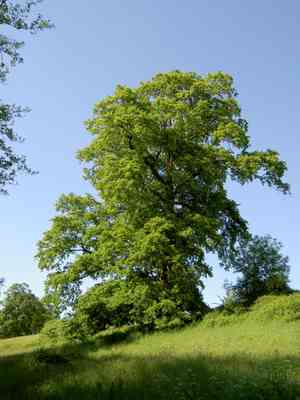
Turkey oak(Quercus cerris)

Turkey oak (Quercus cerris)

Also known as: Austrian oak

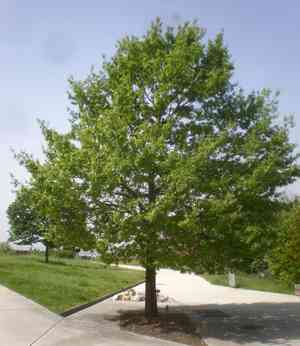
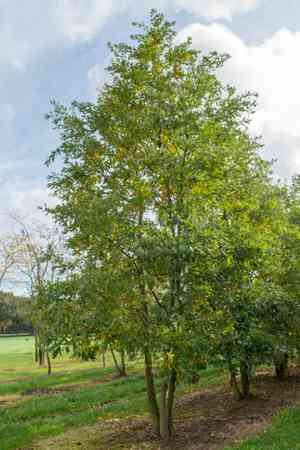
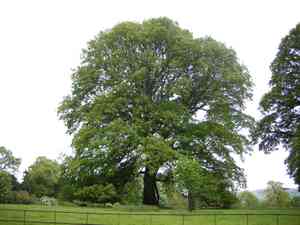
The Turkey oak (Quercus cerris) is a deciduous tree indigenous to southeastern Europe and Asia Minor, including regions such as Italy, Greece, Turkey, and the Balkan Peninsula. Frequently utilized as an ornamental tree and for coastal windbreaks, it features greenish-yellow catkins that are wind-pollinated and require 18 months to develop into acorns. These acorns serve as a crucial food source for various wildlife, including birds and squirrels. Additionally, the tree provides habitat and shelter for numerous species, contributing significantly to the biodiversity and health of its native ecosystems.

Attributes of Turkey oak

Lifespan
Perennial
Plant Type
Tree
Plant Height
12 m to 18 m
Spread
12 m to 18 m
Leaf Color
Green Brown
Flower Size
2.5 cm
Flower Color
Yellow Green

PlantJoy - Identify plants with a snap

Identify and diagnose plants, get toxicity alerts, and explore safety guides for all types of fungi.

Try for Free

Images of Turkey oak

Turkey oak(Quercus cerris)

Quickly Identify Turkey oak

1
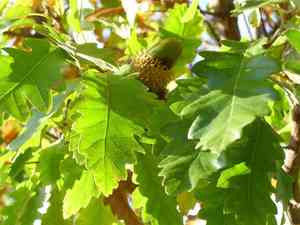
Distinctive yellow-green male flowers in elongated catkins, 2-4 inches (5-10 cm) long.
2
Rough, dark green leaves, lanceolate to oblong, with 3-8 pairs of lobes.
3
Bristly cups cover half of 0.5-1 inch (1.27-2.54 cm) acorns in small clusters.
4
Rugged, deeply furrowed bark with dark ridges contrasting orange fissures.
5
Branches with raised leaf scars and reddish-brown buds in clusters with 3+ scales.

Scientific Classification of Turkey oak

Phylum
Vascular plants
Class
Dicotyledons
Order
Fagales
Family
Beech
Genus
Oaks
Species
Turkey oak

Planting and Growing of Turkey oak

Care Difficulty
Easy
Watering Schedule
Every 3 days
Sunlight Requirements
Full sun
Sunshine Duration
4-8 hours
Ideal Temperature
59-77℉
Soil Type
Potting Mix, Peat Mix
Soil pH
6.5-7.5
Fertilizer Type
Balanced
Pruning Season
Spring, Summer
Pruning Area
Branches, Leaves
Pruning Frequency
2 times a year
Repotting Season
Spring
Pot Type
Plastic, Ceramic

water icon How to Water Turkey oak?

When watering Quercus cerris, aim for about 2000 milliliters of water. The goal is to saturate the soil deeply, allowing moisture to reach the deeper roots without creating standing water. The top few inches should feel moist but not soggy after watering.
What are the symptoms of an underwatered Turkey oak?
What should I do if my Turkey oak is not getting enough water?
What are the symptoms of an overwatered Turkey oak?
How to save an overwatered Turkey oak?
More About Watering Techniques

sunlight icon What Are the Sunlight Requirements for Turkey oak?

Sunlight Requirements: Full sun, Partial sun
Duration of light: 4 to 8 hours
Quercus cerris requires partial to full sun exposure, thriving best with 4 to 8 hours of sunlight daily. This balance fosters healthy growth, strong structure, and vibrant leaf coloration.
How to Ensure Ideal Lighting for Quercus cerris?
How to Optimize Sunlight for This Oak Tree?
What Benefits Come from Ideal Sun Exposure?
More About Sunlight Requirements Techniques

temperature icon What Is the Ideal Temperature Range for Turkey oak?

Ideal Temperature: 59 ~ 77℉
Quercus cerris, commonly known as the Turkey oak, thrives best in temperatures ranging from 59°F to 77°F. This range provides a conducive environment for photosynthesis, optimal growth, and overall plant health. The Turkey oak's natural habitat benefits from these mild to warm conditions ensuring vibrant foliage and strong structural development.

soil icon What Soil is Best for Turkey oak?

Soil type: Loam, Sandy loam, Clay soil, Acidic soil, Calcareous soil
Soil PH: 6.5 ~ 7.5
Quercus cerris thrives in well-draining soils that prevent waterlogging and root rot. Ensuring good drainage helps maintain plant health by allowing excess water to drain away, preventing diseases associated with waterlogged roots. Providing a nutrient-rich soil medium benefits Quercus cerris by supplying essential nutrients needed for growth and development. This enhances leaf coloration and overall vigor, ensuring the oak tree remains robust. Soils that retain moisture without becoming saturated are ideal for Quercus cerris. Adequate moisture retention ensures the tree receives ample water during dry periods, promoting consistent growth and resilience. More About Soil

fertilize icon How to Fertilize Turkey oak?

Fertilizer type: Balanced
For Quercus cerris, apply liquid fertilizer at a rate appropriate for its size and growth stage, typically using a balanced formula with equal parts nitrogen, phosphorus, and potassium. Apply around 1 to 2 liters per application for a mature tree. More About Fertilizing Techniques

prune icon How to Prune Turkey oak?

Pruning Time: Spring, Summer, Autumn
Make sure to use sharp, clean pruning tools to make clean cuts. For branches smaller than an inch in diameter, pruners or loppers are ideal. Larger branches may require a pruning saw to ensure a neat and precise cut. When cutting branches, always prune at the branch collar, the swollen area where the branch joins the trunk or another branch. This allows the tree to heal more effectively and reduces the risk of disease. Begin by inspecting the tree to identify areas needing attention. Start with dead or damaged branches, then proceed to thin out crowded areas to facilitate light penetration. Ensure your cuts are smooth and at an angle to aid rainwater drainage. More About Pruning Techniques

propagate icon How to Propagate Turkey oak plant?

Propagate Time: Spring, Early spring, Late spring
1
Collect mature acorns from Quercus cerris in the autumn. Ensure the acorns are free of any visible damage and are fully ripe for maximum viability.
2
Place the acorns in a damp sand or peat moss medium, storing them in a cold environment. This mimics natural winter conditions, breaking seed dormancy and promoting germination.
3
In early spring, sow the stratified seeds in seed trays filled with a well-draining potting mix. Ensure the trays are kept moist but not waterlogged, providing sufficient light for germination.
More About Propagating Techniques

repot icon How to Repot Turkey oak plant?

Repotting frequency: Every 3-4 years
1
Look for signals such as roots growing out of the drainage holes or the plant appearing stunted despite adequate care. These signs indicate that your Quercus cerris needs a new home for further growth. Spring and autumn are ideal times as temperatures are moderate, minimizing the risk of transplant shock.
2
Select a pot that's slightly larger than the previous one, with plenty of drainage holes. This allows for proper root expansion and prevents waterlogging, ensuring optimal root health and plant growth. Ceramic or terracotta pots can be good options due to their porous nature.
3
Opt for a well-draining loam soil mix to provide the perfect blend of moisture retention and drainage, essential for the healthy growth of Quercus cerris. This soil type allows roots to absorb nutrients effectively while minimizing the risk of root rot.

PlantJoy - Identify plants with a snap

Find the best spots for them to optimize their health, simply using your phone.

Try for Free

Toxicity of Turkey oak

Is Turkey oak toxic to humans?

The Turkey oak presents a mild toxicity risk to humans, primarily through ingestion. Every part of the turkey oak harbors tannins, which can result in negative health effects upon consumption. Symptoms of toxicity are especially noticeable and may include gastrointestinal distress, such as nausea, vomiting, and diarrhea. Additionally, some individuals may suffer from headaches, dizziness, or respiratory difficulties. Given the toxic nature of the entire plant, it is essential to exercise caution to avert accidental ingestion, particularly in areas where turkey oak is abundant. Although the level of toxicity is mild, the ubiquity of tannins in all sections of the turkey oak necessitates vigilance to prevent any potential health complications.

Is Turkey oak toxic to cat?

The turkey oak is known to pose a mild toxic threat to cats, raising concerns for pet caregivers. Typically, felines encounter the toxin by unknowingly ingesting various parts of the plant. In cases of poisoning, affected cats may display symptoms that suggest physical discomfort or illness. This species of oak contains tannins throughout, which are responsible for its toxic properties. If a cat consumes any portion of the turkey oak, it’s essential to obtain prompt veterinary assistance to guarantee appropriate treatment and avert additional health issues.

Is Turkey oak toxic to dog?

Turkey oak is regarded as having a slight toxic effect on dogs. If canines consume any part of this plant, they may experience poisoning, as the entire plant is deemed toxic. When dogs eat turkey oak, they may show symptoms like gastrointestinal distress, vomiting, or diarrhea as a result of the tannins contained within. Should you suspect that your dog has eaten turkey oak, it is crucial to seek prompt veterinary assistance to guarantee appropriate treatment and symptom management.

Identify toxic plants for your safety

Learn which plants are harmful to you and your pets, and make informed choices for a safer home!

Try for Free
WARNING
The judgment on toxicity and danger is for reference only. We DO NOT GUARANTEE any accuracy of such judgment. Therefore, you SHALL NOT rely on such judgment. It is IMPORTANT TO SEEK PROFESSIONAL ADVICE in advance when necessary.
More About Toxic Techniques