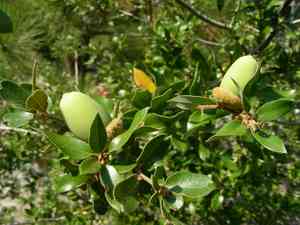
Canyon live oak (Quercus chrysolepis)
Also known as: Golden cup oak, Californian live oak
Canyon Live Oak (Quercus chrysolepis) is a prominent evergreen oak found throughout southwestern North America, especially in California, where it is the most widespread oak species. This tree thrives in cool, moist environments near creeks. Indigenous American tribes commonly harvested its acorns for food, and the roasted seeds of this oak can serve as a coffee alternative.
Attributes of Canyon live oak
Images of Canyon live oak
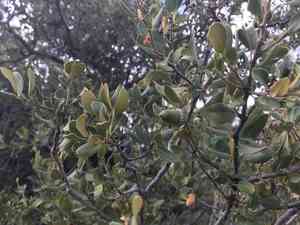

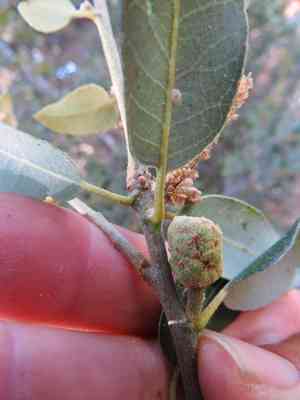
Quickly Identify Canyon live oak
Scientific Classification of Canyon live oak
Planting and Growing of Canyon live oak
 How to Water Canyon live oak?
 What Are the Sunlight Requirements for Canyon live oak?
 What Is the Ideal Temperature Range for Canyon live oak?
 What Soil is Best for Canyon live oak?
 How to Fertilize Canyon live oak?
 How to Prune Canyon live oak?
 How to Propagate Canyon live oak plant?
 How to Repot Canyon live oak plant?
Toxicity of Canyon live oak
Is Canyon live oak toxic to humans?
Similar to other varieties within the oak genus, known scientifically as *Quercus*, the canyon live oak can pose a risk of toxicity to humans if ingested. The effects from consumption typically range from mild to moderate. The young leaves and acorns of the *Quercus* species are known to contain tannins, substances that can be harmful when eaten. Consuming these parts of the plant can lead to symptoms such as stomach ache, diarrhea, bloody stools, constipation, intense thirst, and frequent urination. These trees are frequently cultivated in residential yards and parks, which makes it relatively easy for children to encounter the leaves and fallen acorns, potentially leading to accidental ingestion.
Is Canyon live oak toxic to cat?
Canyon live oak is recognized for its mild toxicity level to felines, with the leaves and seeds identified as the poisonous components. When cats ingest these parts of the plant in excessive quantities, they risk being poisoned by canyon live oak. If a cat consumes canyon live oak, it may show signs of physical discomfort; although specific symptoms are not provided, any unusual behavior or indications of illness should be regarded with seriousness. Pet owners must act promptly and seek veterinary assistance at a professional facility should they suspect their cat has consumed canyon live oak. It is essential to remain vigilant regarding pets and prevent their access to dangerous plants.
Is Canyon live oak toxic to dog?
The canyon live oak plant species presents a mild toxicity risk to canines. Dogs might suffer from poisoning if they consume significant quantities of its leaves or seeds. Following the ingestion of canyon live oak parts, dogs may show symptoms like gastrointestinal distress, vomiting, or diarrhea. It is essential for pet owners to observe their dogs and prevent them from eating excessive amounts of this plant. If a dog does ingest canyon live oak and shows signs of toxicity, it is crucial to obtain immediate veterinary assistance to ensure the animal's health and well-being.



