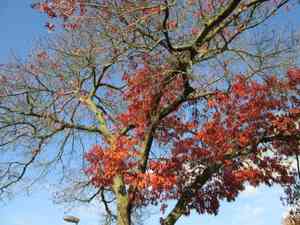
Scarlet oak(Quercus coccinea)

Scarlet oak (Quercus coccinea)

Also known as: Red oak

The Scarlet Oak (*Quercus coccinea*) is an oak species native to the Midwest, Eastern, and Southern United States. It is widely grown for its ornamental value, particularly its striking fall foliage.

Attributes of Scarlet oak

Lifespan
Perennial
Plant Type
Tree
Plant Height
20 m to 30 m
Spread
12 m to 15 m
Leaf Color
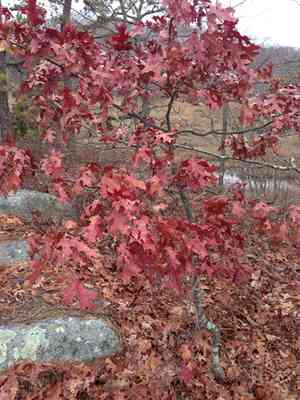
Green Red
Flower Size
Not prominent, flowers are small and catkin-like
Flower Color
Green Yellow Brown

PlantJoy - Identify plants with a snap

Identify and diagnose plants, get toxicity alerts, and explore safety guides for all types of fungi.

Try for Free

Images of Scarlet oak

Scarlet oak(Quercus coccinea)

Quickly Identify Scarlet oak

1
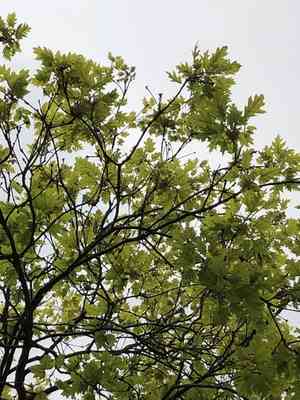
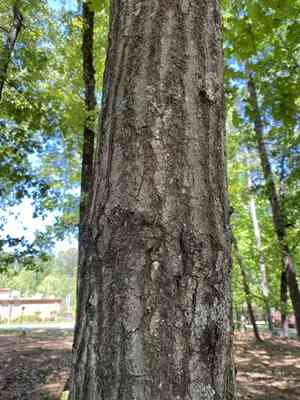
Mature height: 50-80 feet (15-24 meters)
2
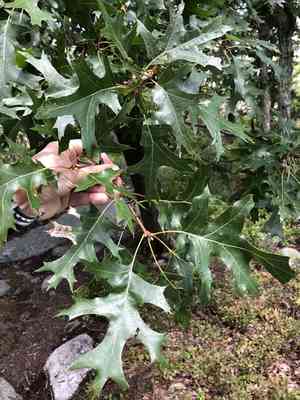
Distinctive C-shaped leaf lobes with bristle tips
3
Smooth, reddish-brown stems with pointed buds
4
Male flowers as slender, yellowish-green catkins
5
Distinctive, shiny acorns with deep scaly caps

Scientific Classification of Scarlet oak

Phylum
Vascular plants
Class
Dicotyledons
Order
Fagales
Family
Beech
Genus
Oaks
Species
Scarlet oak

Planting and Growing of Scarlet oak

Care Difficulty
Easy
Watering Schedule
Every 2 days
Sunlight Requirements
Full sun
Sunshine Duration
4-6 hours
Ideal Temperature
60-85℉
Soil Type
Potting Mix, Peat Mix
Soil pH
4.5-6.5
Fertilizer Type
Balanced
Pruning Season
Spring, Summer
Pruning Area
Branches, Leaves
Pruning Frequency
2 times a year
Repotting Season
Spring
Pot Type
Plastic, Ceramic

water icon How to Water Scarlet oak?

Quercus coccinea typically requires around 1000 milliliters of water per session. The goal is to thoroughly moisten the root zone, allowing the water to penetrate deep into the soil. This ensures that the tree receives adequate moisture without leaving the soil waterlogged. Aim to keep the soil consistently moist without going completely dry or overly soggy.
What are the symptoms of an underwatered Scarlet oak?
What should I do if my Scarlet oak is not getting enough water?
What are the symptoms of an overwatered Scarlet oak?
How to save an overwatered Scarlet oak?

sunlight icon What Are the Sunlight Requirements for Scarlet oak?

Sunlight Requirements: Full sun, Partial sun
Duration of light: 6-8 hours daily
Quercus coccinea benefits significantly from full to partial sunlight. Optimal light exposure ensures vigorous photosynthesis, stronger growth, and better resilience against environmental stress.
Ideal Light Exposure
Solution for Ideal Conditions
Benefit of Ideal Lighting
More About Sunlight Requirements Techniques

temperature icon What Is the Ideal Temperature Range for Scarlet oak?

Ideal Temperature: 60 ~ 85℉
The ideal temperature range for the growth of Quercus coccinea, commonly known as the scarlet oak, is between 60°F and 85°F. Within this range, the plant can efficiently carry out its physiological processes such as photosynthesis and respiration. This temperature range also ensures optimal enzyme activity and healthy growth.

soil icon What Soil is Best for Scarlet oak?

Soil type: Sandy loam, Acidic soil, Loam
Soil PH: 4.5 ~ 6.5
Scarlet Oak thrives in well-drained soil, which prevents root rot by allowing excess water to pass through. This type of soil supports healthy root development, promoting a robust growth pattern and enhancing the tree's ability to access nutrients. Maintaining moderate soil moisture is vital for Scarlet Oak, as it helps to reduce stress on the tree during dry periods. Consistent moisture levels allow the tree to sustain its physiological processes, which is crucial for photosynthesis and overall vigor. Scarlet Oak benefits from a nutrient-rich substrate, as it supplies essential nutrients needed for vigorous growth and vibrant foliage. Ample organic matter in the soil improves its structure, aeration, and overall fertility, supporting the tree's long-term health.

fertilize icon How to Fertilize Scarlet oak?

Fertilizer type: Balanced
For vibrant growth, Quercus coccinea requires careful nutrient management. Use a balanced fertilizer with a 10-10-10 NPK ratio, applying approximately 0.5 pounds for every inch of trunk diameter annually. This amount ensures the oak receives adequate nutrition without overwhelming its root system.

prune icon How to Prune Scarlet oak?

Pruning Time: Winter, Summer
Begin by removing any dead, damaged, or diseased branches. Identify and eliminate crossing branches to prevent rubbing wounds. Focus on thinning the canopy to improve air circulation and sunlight penetration. Shape the oak by cutting back vigorous upright shoots to a lateral branch. Regular maintenance ensures the tree retains its desired shape and size while supporting healthy growth dynamics overall. More About Pruning Techniques

propagate icon How to Propagate Scarlet oak plant?

Propagate Time: Late spring, Early autumn
1
Gather mature acorns from existing Quercus coccinea trees in late autumn. Ensure they are free from pests and disease before proceeding to the next step.
2
Fill seed trays with a sterile potting mix. Water the mix until it is evenly moist to provide an ideal environment for seed germination.
3
Place seeds about two centimeters deep in the prepared potting mix. Cover lightly and ensure consistent moisture until germination occurs.
More About Propagating Techniques

repot icon How to Repot Scarlet oak plant?

Repotting frequency: Every 2-3 years
1
Scarlet Oaks signal their need for repotting when roots begin circling inside the pot, pushing through drainage holes, or when growth rates decline despite adequate care. Choosing the right season, such as spring or autumn, ensures minimized stress and promotes healthy adjustment.
2
Select a pot that's 2-3 inches wider than the current one to allow growth without overwhelming the plant. Ensure it has ample drainage holes to prevent water retention, which could lead to root rot. A terracotta pot is ideal as it allows for air exchange and natural moisture balance.
3
Opt for a well-draining loamy soil to mimic the Scarlet Oak's natural habitat. Such soil provides sufficient aeration, prevents waterlogging, and supplies necessary nutrients. Enhanced drainage capacity prevents root suffocation and disease, promoting robust growth.

PlantJoy - Identify plants with a snap

Find the best spots for them to optimize their health, simply using your phone.

Try for Free

Toxicity of Scarlet oak

Is Scarlet oak toxic to humans?

The tissues of the scarlet oak tree, which include its leaves and seeds, are rich in tannins. This characteristic imparts a strong bitterness to the plant, deterring most animals from consuming it. However, young children and individuals with cognitive impairments may inadvertently consume parts of the tree. The primary effects of tannins include gastrointestinal issues, leading to symptoms such as constipation, diarrhea, nausea, and abdominal cramps. Additionally, those who have been exposed may experience depressive symptoms along with a frequent occurrence of dark-colored urine as their body works to eliminate the toxin. Furthermore, swallowing acorns whole can result in intestinal blockages.

Is Scarlet oak toxic to cat?

The scarlet oak presents a low toxicity hazard for cats. When felines consume large quantities of the plant's leaves or seeds, they can experience poisoning. Following the ingestion of scarlet oak components, cats may show symptoms of discomfort or illness. Pet owners must remain watchful in order to stop their cats from nibbling on or swallowing this plant to prevent possible health complications. If a cat happens to eat scarlet oak, it is crucial to obtain prompt veterinary assistance to secure appropriate treatment.

Is Scarlet oak toxic to dog?

The scarlet oak species presents a mild toxicity risk to dogs. Dogs may be poisoned primarily by ingesting large amounts of the plant's leaves and seeds. If a dog consumes any part of the scarlet oak, it might show symptoms indicative of poisoning, which can include gastrointestinal disturbances such as vomiting or diarrhea, and in some instances, more severe reactions depending on the volume ingested. It is essential for dog owners to closely observe their pets and prevent access to the scarlet oak to avert potential poisoning scenarios. If a dog reveals any signs of distress after ingesting this plant, it is paramount to seek immediate veterinary attention to ensure timely and suitable treatment.

Identify toxic plants for your safety

Learn which plants are harmful to you and your pets, and make informed choices for a safer home!

Try for Free
WARNING
The judgment on toxicity and danger is for reference only. We DO NOT GUARANTEE any accuracy of such judgment. Therefore, you SHALL NOT rely on such judgment. It is IMPORTANT TO SEEK PROFESSIONAL ADVICE in advance when necessary.
More About Toxic Techniques