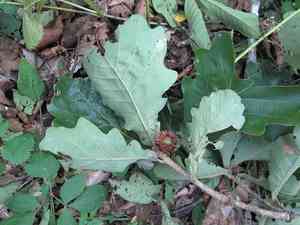
Japanese emperor oak (Quercus dentata)
Also known as: Daimio oak
The Japanese emperor oak, known scientifically as Quercus dentata, is a deciduous tree characterized by its sizable leaves. Commonly pruned in gardens for aesthetic purposes, its leaves play a cultural role in Japan. During the celebration of Children's Day, they are traditionally used to wrap Kashiwa mochi, a popular sweet treat.
In This Article
Attributes of Japanese emperor oak
Lifespan
Perennial
Plant Type
Tree
Plant Height
20 m to 25 m
Spread
12 m
Leaf Color
Brown Green
Flower Size
Small catkins, about 5-8 cm (2-3 inches) long
Flower Color
Yellow Green
Images of Japanese emperor oak
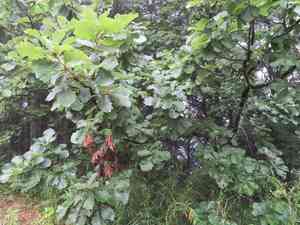
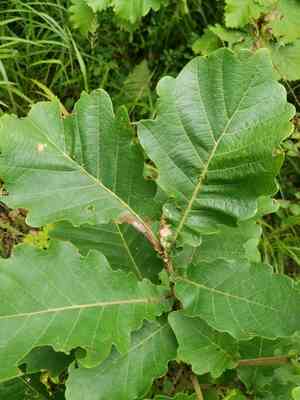
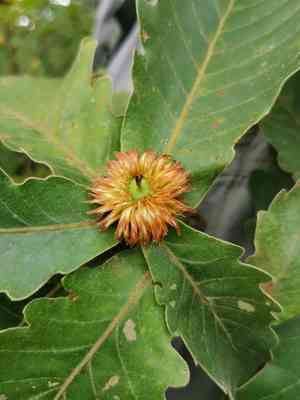
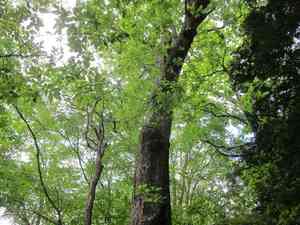
Quickly Identify Japanese emperor oak
1
Distinctive large leaves, up to 12 inches (30 cm) long and 7 inches (18 cm) wide.
2
Catkin flowers with male clusters reaching 4 inches (10 cm), and small green female flowers.
3
Acorns without stem, 1/2 to 3/4 inches (1.3 to 1.9 cm) long, with textured caps.
4
Auriculated leaf bases with wavy margins and hairy, curved stems around 1/2 inch (1.3 cm) long.
5
Brown, fuzzy mature stems, 0.5 to 1 inch (1.3 to 2.5 cm) thick, with dense branching.
Scientific Classification of Japanese emperor oak
Phylum
Vascular plants
Class
Dicotyledons
Order
Fagales
Family
Beech
Genus
Oaks
Species
Japanese emperor oak
Planting and Growing of Japanese emperor oak
Care Difficulty
Easy
Watering Schedule
Every 2 days
Sunlight Requirements
Full sun
Sunshine Duration
6-10 hours
Ideal Temperature
50-77℉
Soil Type
Potting Mix, Peat Mix
Soil pH
4.5-6
Fertilizer Type
Balanced
Pruning Season
Spring, Summer
Pruning Area
Branches, Leaves
Pruning Frequency
2 times a year
Repotting Season
Spring
Pot Type
Plastic, Ceramic
 How to Water Japanese emperor oak?
Quercus dentata, known for its broad foliage, requires a moderate amount of water. It's crucial to ensure that the soil remains moist but not waterlogged. Thoroughly water until the moisture reaches a depth of about 15 cm to match the 1200 ml water amount.
What are the symptoms of an underwatered Japanese emperor oak?
›
What should I do if my Japanese emperor oak is not getting enough water?
›
What are the symptoms of an overwatered Japanese emperor oak?
›
How to save an overwatered Japanese emperor oak?
›
 What Are the Sunlight Requirements for Japanese emperor oak?
Quercus dentata thrives well in full to partial sun environments, where at least 6 to 8 hours of sunlight enhances vigorous growth, improved foliage, and overall tree vigor.
More About Sunlight Requirements Techniques→
What is the optimal sunlight for Quercus dentata?
›
How can you ensure ideal lighting for Quercus dentata if situated in a less sunny area?
›
Why is adequate sunlight important for Quercus dentata?
›
 What Is the Ideal Temperature Range for Japanese emperor oak?
Quercus dentata, commonly known as the Japanese Emperor Oak, thrives ideally in temperatures ranging from 50°F to 77°F. Within this range, the plant experiences optimal growth and development, benefiting from moderate conditions that support photosynthesis and other physiological processes. Ensuring this temperature range allows Quercus dentata to flourish and exhibit its characteristic resilience and beauty.
 What Soil is Best for Japanese emperor oak?
Quercus dentata thrives in nutrient-rich soil, which provides the essential elements for its growth and health. Well-enriched soil helps in robust root development and enhances foliage density, ensuring the plant's longevity. While it prefers rich soils, Quercus dentata also needs well-draining compositions to prevent root rot and other moisture-associated issues. Good drainage avoids waterlogging and maintains ideal moisture balance, promoting healthy, vigorous growth. Moisture-retentive soils are essential for Quercus dentata as they help maintain adequate hydration levels, crucial during dry spells. This ensures a consistent water supply to the roots, preventing stress and fostering photosynthetic efficiency.
 How to Fertilize Japanese emperor oak?
When fertilizing Quercus dentata, apply a moderate amount, ensuring that the soil is evenly covered but not overly saturated. Typically, 1 to 2 pounds of fertilizer spread evenly over the root zone will suffice, carefully avoiding direct contact with the trunk to prevent burning.
 How to Prune Japanese emperor oak?
Begin by identifying dead, diseased, or damaged branches as they need to be removed first. Make clean cuts close to the node without leaving stubs. Aim to maintain the natural shape of Quercus dentata by selectively thinning out branches to improve air circulation and light penetration within the canopy. Focus on removing crossing branches and any that grow too densely or awkwardly.
More About Pruning Techniques→
 How to Propagate Japanese emperor oak plant?
1
Ensure the acorns are mature and free from pests or damage. Submerge them in water; viable seeds usually sink, indicating readiness for planting.
2
Use a mix of loam, sand, and organic compost. This mix balances moisture retention and drainage, critical for healthy seed germination and root development.
3
Place acorns horizontally in the prepared soil, about an inch deep. Cover lightly and keep the soil consistently moist until germination occurs.
 How to Repot Japanese emperor oak plant?
1
It's time to repot Quercus dentata when you see roots growing out of the drainage holes or the plant's growth slows despite optimal care. Additionally, if the potting soil appears compacted or waterlogged, it's also a sign. Spring or autumn offers moderate temperatures and a growing period that mitigates repotting shock.
2
Choose a pot that is 2-4 inches wider than the current one and has ample drainage holes. A wider pot allows for root expansion, reducing stress and promoting healthy growth. Make sure it's made from breathable material, such as terracotta, which helps prevent root rot by allowing excess moisture to evaporate.
3
The ideal soil should retain moisture yet drain well to prevent waterlogging. A loamy mix with perlite ensures adequate aeration, supporting robust root development. This choice mimics the plant's natural environment, providing both nutrients and the right structure for new root growth.



