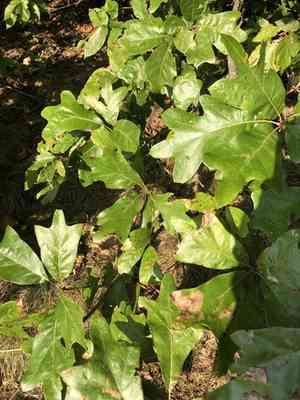
Southern red oak (Quercus falcata)
Also known as: Water oak, Three-lobed red oak
The Southern Red Oak (Quercus falcata), standing tall at heights of 70 to 80 feet, serves as a vital asset for both wildlife and humans, often living up to 275 years.
**Wildlife Contributions:**
- **Nutritional Value:** Its acorns are a crucial food source for various animals, including deer, squirrels, and birds.
- **Habitat Provision:** The tree's extensive canopy offers ideal nesting sites and shelter for birds and small mammals.
**Human Benefits:**
- **Timber Use:** Known for its strong and durable wood, the Southern Red Oak is commonly used in creating furniture, flooring, and other construction materials.
- **Shade Provider:** It offers substantial shade, which helps in reducing energy costs and enhancing outdoor comfort.
- **Aesthetic Appeal:** The tree adds beauty and elegance to landscapes with its lush foliage and commanding presence.
These qualities make the Southern Red Oak an invaluable component of both natural ecosystems and human environments.
Attributes of Southern red oak
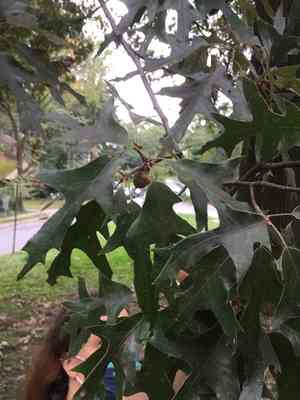
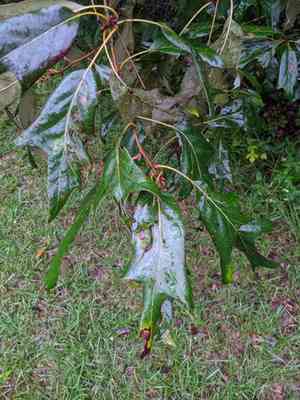
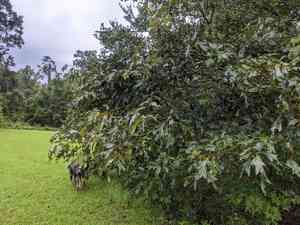
Images of Southern red oak
Quickly Identify Southern red oak
Scientific Classification of Southern red oak
Planting and Growing of Southern red oak
 How to Water Southern red oak?
 What Are the Sunlight Requirements for Southern red oak?
 What Is the Ideal Temperature Range for Southern red oak?
 What Soil is Best for Southern red oak?
 How to Fertilize Southern red oak?
 How to Prune Southern red oak?
 How to Propagate Southern red oak plant?
 How to Repot Southern red oak plant?
Toxicity of Southern red oak
Is Southern red oak toxic to humans?
The tissues of the Southern red oak tree, including its leaves and seeds, contain tannins. These compounds render the plant extremely bitter to most animals, generally discouraging them from consuming it. However, young children and individuals with cognitive impairments may inadvertently ingest portions of this tree. The presence of tannins primarily leads to digestive issues, which can manifest as constipation, diarrhea, nausea, cramping, and colic. Furthermore, those who have been exposed to it may experience depressive symptoms and frequently pass discolored urine as their body attempts to eliminate the toxin. Additionally, swallowing acorns whole can pose a risk of choking or causing bowel obstructions.
Is Southern red oak toxic to cat?
The Southern red oak presents a slight toxicity risk to cats, especially if these animals consume its leaves or seeds in significant amounts. While specific toxic compounds are not specified, pet owners should remain vigilant regarding possible general symptoms of physical distress that may occur after ingestion. If any unusual signs of illness or discomfort are observed in their cat, including alterations in behavior or appetite, it is recommended that owners promptly pursue veterinary assistance to safeguard the health of their feline friend.
Is Southern red oak toxic to dog?
The southern red oak presents a mild toxicity risk for dogs, especially when they consume excessive amounts of this plant. The parts of the oak that can result in poisoning if ingested in large quantities include the leaves and seeds. Affected dogs may display symptoms such as gastrointestinal disturbances, which encompass vomiting and diarrhea. Therefore, it is vital for pet owners to keep a close eye on their dogs and prevent them from eating substantial amounts of southern red oak. If a dog does consume any part of the southern red oak and starts to show signs of discomfort, it is critical to seek prompt veterinary assistance to guarantee appropriate treatment and recovery.



