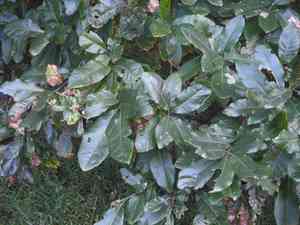
Shingle oak (Quercus imbricaria)
Also known as: Laurel oak
The Shingle Oak, named for its historical use in crafting roof shingles, is native to the Midwestern and Upper South regions of North America. This tree typically thrives in well-drained soils and is commonly found along streams and rivers.
Attributes of Shingle oak
Images of Shingle oak
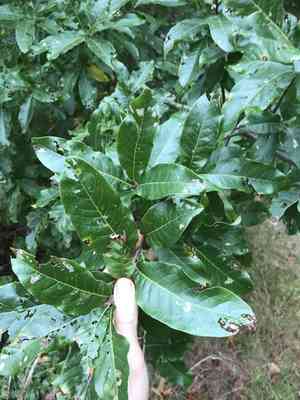
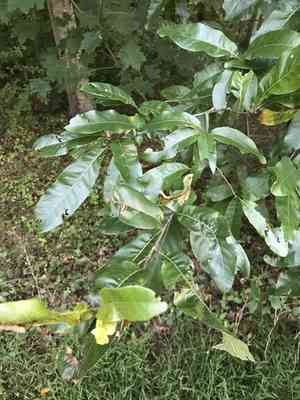
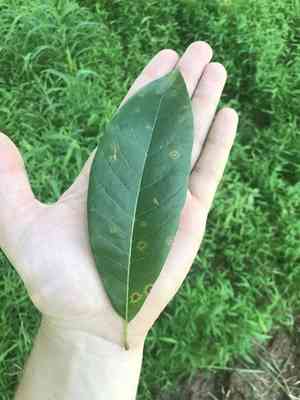
Quickly Identify Shingle oak
Scientific Classification of Shingle oak
Planting and Growing of Shingle oak
 How to Water Shingle oak?
 What Are the Sunlight Requirements for Shingle oak?
 What Is the Ideal Temperature Range for Shingle oak?
 What Soil is Best for Shingle oak?
 How to Fertilize Shingle oak?
 How to Prune Shingle oak?
 How to Propagate Shingle oak plant?
 How to Repot Shingle oak plant?
Toxicity of Shingle oak
Is Shingle oak toxic to humans?
The tissues of the shingle oak tree, including its leaves and seeds, are rich in tannins. This compounds the plant's bitterness, leading most animals to avoid it. However, young children and individuals with cognitive impairments may unintentionally consume parts of the tree. The primary effects of tannins are digestive disturbances, which can manifest as constipation, diarrhea, nausea, cramping, and colic. In the long term, those who are exposed may experience depressive symptoms along with the frequent excretion of discolored urine as the body attempts to eliminate the toxin. Moreover, swallowing acorns whole poses a choking risk for children or can potentially block their intestines. It is essential to keep children away from this plant.
Is Shingle oak toxic to cat?
Shingle oak presents a moderate toxicity risk for cats. A cat may experience toxic effects if it consumes substantial amounts of certain parts, including the leaves or seeds. Pet owners need to be attentive, as two common routes to poisoning involve playful chewing or curiosity-driven eating. Ingestion can result in indications of physical distress or negative reactions necessitating prompt attention. Should any symptoms of illness emerge after a cat has come into contact with shingle oak, it is essential to obtain immediate veterinary assistance to safeguard the cat's well-being and avert additional complications.
Is Shingle oak toxic to dog?
The shingle oak, a type of plant, is deemed to possess a mild level of toxicity for dogs. Dogs are at risk of poisoning mainly if they ingest large quantities of its leaves or seeds. Pet owners must remain alert, as consuming these parts in considerable amounts may result in negative health consequences. Signs that may occur after a dog has ingested shingle oak include gastrointestinal disturbances such as vomiting and diarrhea, lethargy, or more serious indications depending on the quantity consumed. It is essential for dog owners to observe their pets' behavior closely and restrict access to these plant parts. Should a dog consume shingle oak, it is critical to obtain immediate veterinary attention to ensure appropriate treatment and management of any emerging symptoms.



