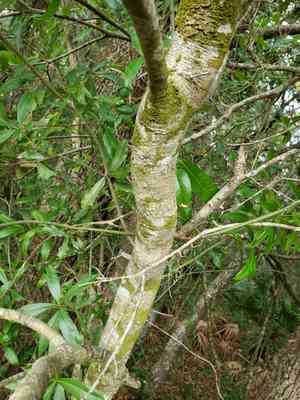
Laurel oak (Quercus laurifolia)
Also known as: Diamond-leaf oak
The Pin Oak is a popular choice for urban landscapes and ornamental gardens. This large deciduous tree is also valued for its commercial uses, such as pulpwood production. Notably, the Pin Oak is a prolific acorn producer, making it a vital resource for wildlife like squirrels, deer, birds, and other small mammals.
In This Article
Attributes of Laurel oak
Lifespan
Perennial
Plant Type
Tree
Plant Height
11 m to 22 m
Spread
11 m to 14 m
Leaf Color
Dark green (upper side), pale green (lower side)
Flower Size
2.5 cm
Flower Color
Yellow Green
Images of Laurel oak
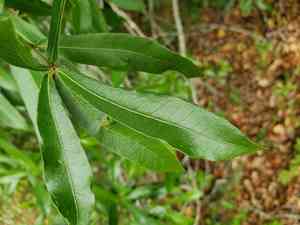
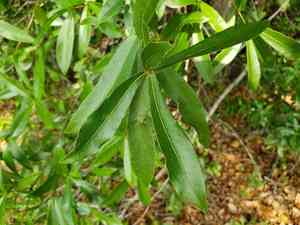
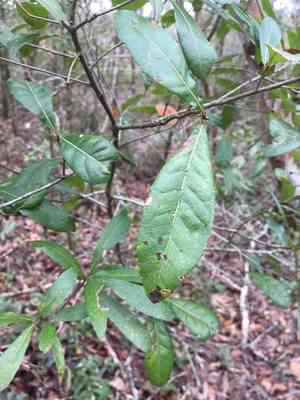
Quickly Identify Laurel oak
1
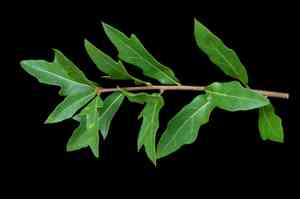
Laurel oak features glossy green leaves with leathery texture, oblong shape, and pale undersides.
2
Distinct male catkins hang in clusters, measuring 2-4 inches (5-10 cm) in length.
3
Acorns are round, dark brown with striations, and take two years to mature fully.
4
Slender reddish-brown stem with sharp-pointed buds clustered at twig ends.
5
Trunk starts smooth, develops shallow fissures into rough ridges as it matures.
Scientific Classification of Laurel oak
Phylum
Vascular plants
Class
Dicotyledons
Order
Fagales
Family
Beech
Genus
Oaks
Species
Laurel oak
Planting and Growing of Laurel oak
Care Difficulty
Easy
Watering Schedule
Every 3 days
Sunlight Requirements
Full sun
Sunshine Duration
4-8 hours
Ideal Temperature
68-86℉
Soil Type
Potting Mix, Peat Mix
Soil pH
4.5-6.5
Fertilizer Type
Balanced
Pruning Season
Spring, Summer
Pruning Area
Branches, Leaves
Pruning Frequency
2 times a year
Repotting Season
Spring
Pot Type
Plastic, Ceramic
 How to Water Laurel oak?
For Quercus laurifolia, an ideal watering amount should aim to thoroughly moisten the soil without creating standing water. It is crucial to ensure that the soil around the roots is sufficiently soaked but not waterlogged. A consistent amount like 1500 ml of water per application is generally appropriate, depending on the specific environmental conditions such as soil type and climate.
What are the symptoms of an underwatered Laurel oak?
›
What should I do if my Laurel oak is not getting enough water?
›
What are the symptoms of an overwatered Laurel oak?
›
How to save an overwatered Laurel oak?
›
 What Are the Sunlight Requirements for Laurel oak?
The optimal light range for Quercus laurifolia is full sun to partial sun, allowing the tree to receive sufficient energy for photosynthesis, promoting strong growth and resilience against pests.
More About Sunlight Requirements Techniques→
How much direct sunlight does Quercus laurifolia need?
›
Can Quercus laurifolia tolerate some shade?
›
What changes should be made if the tree doesn't get enough light?
›
 What Is the Ideal Temperature Range for Laurel oak?
Quercus laurifolia thrives best in a temperature range of 68°F to 86°F. Within this range, the tree can efficiently perform photosynthesis, promoting growth and overall health. Adequate sunlight complements this ideal temperature, ensuring the plant receives the proper energy for metabolic activities.
 What Soil is Best for Laurel oak?
Quercus laurifolia thrives in nutrient-rich soils that support its robust growth. Such soils supply essential macro and micronutrients crucial for photosynthesis and metabolic processes, leading to vigorous growth and healthy foliage. This oak species prefers well-draining soil conditions. Proper drainage prevents waterlogging and root rot, which could otherwise hinder nutrient uptake and lead to the decline of the tree's health. While well-draining, the soil should still retain adequate moisture. This moisture balance is vital for sustaining the tree during dry spells and ensures a consistent supply of water to its roots.
 How to Fertilize Laurel oak?
For Quercus laurifolia, a modest amount of fertilizer is ideal. Apply approximately 1 pound per inch of trunk diameter annually, distributed evenly across the root zone. This ensures the plant receives ample nutrients without over-fertilizing.
 How to Prune Laurel oak?
Quercus laurifolia, or laurel oak, tends to have a pyramidal shape when young that rounds out as it ages. Keep this natural form in mind while pruning, as promoting a balanced structure helps increase its resilience to environmental stressors like wind or heavy rain. Crossing branches can rub against each other, causing wounds in the bark that allow disease to enter. When pruning, remove these branches at their origin or back to a lateral branch that is at least one-third the diameter of the branch being removed. This helps maintain the structural integrity and aesthetics of the tree.
More About Pruning Techniques→
 How to Propagate Laurel oak plant?
1
When propagating via seed, start by preparing a well-draining soil mix. Ensure it is slightly acidic, as this promotes better germination for Quercus laurifolia seeds. Sow the seeds about an inch deep and keep them consistently moist but not waterlogged.
2
For successful cuttings, select a healthy branch and make a clean cut of about 4-6 inches. Dip the cut end into rooting hormone before placing it into a prepared pot with moist potting mix.
3
In tissue culture propagation, begin by selecting a healthy shoot tip from a mature plant. This tip should be disinfected before culturing in a nutrient medium. Monitor regularly for contamination.
 How to Repot Laurel oak plant?
1
Quercus laurifolia needs repotting when you notice its roots growing out of the drainage holes or when the growth has significantly slowed down, indicating root crowding. The ideal time is during early spring or autumn when the tree experiences mild conditions and can recover more quickly from the stress of repotting.
2
Select a pot that is slightly larger than the current one, ideally a size that allows extra space for growth while offering good drainage to prevent waterlogging. Using a pot with sufficient drainage holes is crucial as it helps in preventing root rot by allowing excess water to escape.
3
For Quercus laurifolia, the ideal soil is a blend that is slightly acidic, rich in organic matter, and well-draining. This type of soil ensures adequate aeration and moisture retention, supporting healthy root development and overall tree vitality.
Toxicity
ingestion of acorns and young leaves
WARNING
The judgment on toxicity and danger is for reference only. We DO NOT GUARANTEE any accuracy of such judgment. Therefore, you SHALL NOT rely on such judgment. It is IMPORTANT TO SEEK PROFESSIONAL ADVICE in advance when necessary.



