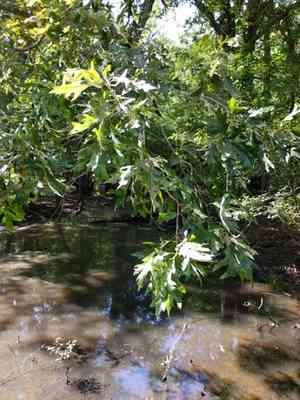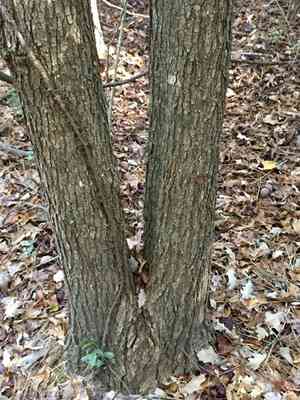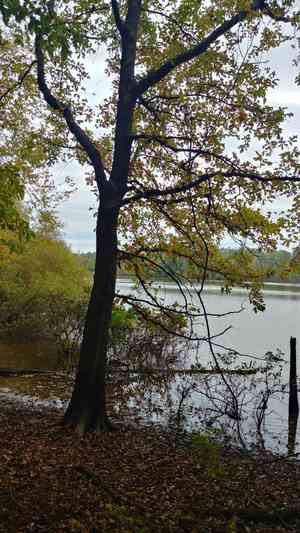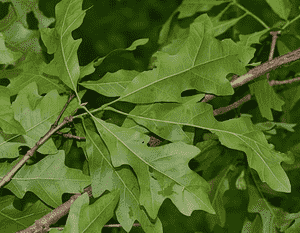
Overcup oak(Quercus lyrata)

Overcup oak (Quercus lyrata)

Also known as: Swamp post oak

The overcup oak tree is named for its unique acorn, where the cap encases nearly the entire nut, resembling an overflowing cup. This tree is also appreciated in urban landscaping for its slow growth, vibrant green leaves in summer, and yellow-brown foliage in fall.

Attributes of Overcup oak

Lifespan
Perennial
Plant Type
Tree
Plant Height
11 m to 18 m
Spread
9 m to 12 m
Leaf Color
Green Silver Gray Red Bronze Brown
Flower Size
8 cm to 10 cm
Flower Color
Yellow Green Brown Gold

PlantJoy - Identify plants with a snap

Identify and diagnose plants, get toxicity alerts, and explore safety guides for all types of fungi.

Try for Free

Images of Overcup oak

Overcup oak(Quercus lyrata)

Quickly Identify Overcup oak

1
Distinctive lyre-shaped leaves with deep lobes and sinuses.
2
Large acorns with thick, woody cup covering most of the nut.
3
Grey, pubescent acorn cup with soft hair-like scales.
4
Shiny, dark green leaves with 5-9 deeply rounded lobes.
5
Distinctive grey bark with deep furrows and scaly ridges.

Scientific Classification of Overcup oak

Phylum
Vascular plants
Class
Dicotyledons
Order
Fagales
Family
Beech
Genus
Oaks
Species
Overcup oak

Planting and Growing of Overcup oak

Care Difficulty
Easy
Watering Schedule
Every 2 days
Sunlight Requirements
Full sun
Sunshine Duration
6-10 hours
Ideal Temperature
65-75℉
Soil Type
Potting Mix, Peat Mix
Soil pH
6.5-7.5
Fertilizer Type
Balanced
Pruning Season
Spring, Summer
Pruning Area
Branches, Leaves
Pruning Frequency
2 times a year
Repotting Season
Spring
Pot Type
Plastic, Ceramic

water icon How to Water Overcup oak?

The watering amount for Quercus lyrata, also known as overcup oak, should be substantial, wetting the soil to a depth of about 6 inches. This ensures the roots receive adequate moisture without becoming waterlogged, crucial for maintaining healthy tree growth.
What are the symptoms of an underwatered Overcup oak?
What should I do if my Overcup oak is not getting enough water?
What are the symptoms of an overwatered Overcup oak?
How to save an overwatered Overcup oak?

sunlight icon What Are the Sunlight Requirements for Overcup oak?

Sunlight Requirements: Full sun, Partial sun
Duration of light: 6 to 8 hours
The ideal light range for Quercus lyrata is full to partial sun exposure, preferably 6 to 8 hours a day. This exposure ensures strong growth, healthy foliage development, and a thriving root system that supports overall resilience and vitality.
What is the ideal amount of sunlight for Quercus lyrata?
How can I ensure Quercus lyrata gets ideal sunlight?
What benefits does Quercus lyrata get from ideal sunlight?

temperature icon What Is the Ideal Temperature Range for Overcup oak?

Ideal Temperature: 65 ~ 75℉
Quercus lyrata, commonly known as Overcup Oak, thrives best in a temperature range from 65°F to 75°F. This range ensures optimal biological function and growth rate. Within this range, the tree can efficiently perform photosynthesis, minimize stress responses, and maintain a healthy moisture balance.

soil icon What Soil is Best for Overcup oak?

Soil type: Sandy loam, Loam
Soil PH: 6.5 ~ 7.5
Quercus lyrata thrives in well-drained soil, as it prevents waterlogging that can lead to root rot. Well-drained soil allows oxygen to circulate around the roots, ensuring healthy growth and development. Rich soil with ample nutrients fosters vigorous growth of Quercus lyrata. Organic matter like compost enhances the soil's fertility, promoting strong root systems and lush foliage. While Quercus lyrata prefers well-drained soil, it also requires consistent moisture, especially during dry spells. Regular watering ensures the tree remains hydrated, supporting overall health and resilience.

fertilize icon How to Fertilize Overcup oak?

Fertilizer type: Balanced
For Quercus lyrata, also known as overcup oak, the amount of fertilizer should be moderate; start with one pound of a balanced 10-10-10 or 12-4-8 fertilizer per inch of trunk diameter. It’s important to adjust based on soil tests to avoid nutrient overload.

prune icon How to Prune Overcup oak?

Pruning Time: Spring, Summer, Autumn, Winter
Start by examining the tree for any dead, dying, or diseased branches. Remove these first, cutting at the base of the branch. Then, eliminate any branches that are crossing or rubbing together, as these can create entry points for diseases. Next, thin out crowded areas to improve air circulation, keeping the strongest, most promising branches. Make clean cuts to prevent disease entry, and aim to maintain the tree's natural shape. To shape the crown of Quercus lyrata, assess the overall symmetry and balance of the tree. Trim to maintain a central leader and a tiered structure, which is essential for optimal light penetration and air flow. Removing any awkward branches will enhance the aesthetics of the tree, providing a more visually pleasing structure.

propagate icon How to Propagate Overcup oak plant?

Propagate Time: Spring, Late spring
1
Collect acorns from Quercus lyrata in the autumn as they fall naturally. Clean and dry the seeds thoroughly to prevent mold. Store them over winter in a cool, dry place if you are sowing in spring.
2
Fill seed trays with a well-draining soil mix. Plant each acorn about 1 inch deep and water thoroughly. Ensure the trays are kept in a warm, sunlit space, maintaining consistent moisture for successful germination.
3
Select healthy scions and rootstocks for grafting. Make clean, precise cuts using pruning shears. Bind the scions to the rootstocks firmly and cover the graft spots to protect them from environmental stress.

repot icon How to Repot Overcup oak plant?

Repotting frequency: Every 2-3 years
1
Repotting Quercus lyrata should be done when the roots start to outgrow the pot, often visible as roots protruding from the drainage holes. If the soil dries out too quickly or water sits on the surface, it's a sign the plant needs more space.
2
Select a pot that is 1-2 inches larger in diameter than the current pot. Use a container with excellent drainage, such as a terracotta pot. Adequate drainage prevents waterlogging, which helps protect the roots from rot.
3
Opt for a well-draining sandy loam soil. This type of soil provides the necessary nutrients while preventing root rot by allowing excess water to escape, fostering a healthy environment for root growth.

PlantJoy - Identify plants with a snap

Find the best spots for them to optimize their health, simply using your phone.

Try for Free

Toxicity of Overcup oak

Is Overcup oak toxic to humans?

The tissues of the overcup oak tree are rich in tannins, particularly in its tender young leaves and seeds. Interestingly, it has a lower tannin content compared to most other oak species. Unfortunately, this characteristic makes its acorns and young leaves more palatable, thereby increasing the risk of poisoning. Young children and individuals with cognitive impairments may inadvertently consume parts of this tree. The primary effects of tannins are digestive disturbances, including constipation, diarrhea, nausea, cramping, and excessive gas. Over time, those exposed to these compounds may experience depressive symptoms and a frequent urge to urinate dark-colored urine. Additionally, any acorns that are swallowed whole could potentially lead to bowel obstruction.

Is Overcup oak toxic to cat?

Overcup oak exhibits a moderate toxicity to felines. Cats can become poisoned by overcup oak when they consume its leaves or seeds in large quantities. Following ingestion, cats may show symptoms of physical distress or illness. While the exact toxic compounds remain unidentified, it is vital to keep an eye on cats for any negative reactions. If you suspect that a cat has ingested any parts of overcup oak, it is essential to quickly seek treatment at a veterinary clinic to safeguard their health and wellbeing.

Is Overcup oak toxic to dog?

The overcup oak, a particular species of plant, is recognized for possessing a mild toxicity level to canines. Dogs are at risk of poisoning if they ingest excessive quantities of its leaves or seeds. Therefore, dog owners must remain attentive, as significant ingestion can result in negative health impacts. Signs that may occur after a canine consumes portions of the overcup oak include gastrointestinal distress such as vomiting and diarrhea, lethargy, or potentially more severe reactions based on the quantity ingested. It is essential for pet owners to observe their dogs’ behaviors and restrict their access to the plant’s parts. Should a dog consume overcup oak, it is vital to seek immediate veterinary assistance to address any possible poisoning.

Identify toxic plants for your safety

Learn which plants are harmful to you and your pets, and make informed choices for a safer home!

Try for Free
WARNING
The judgment on toxicity and danger is for reference only. We DO NOT GUARANTEE any accuracy of such judgment. Therefore, you SHALL NOT rely on such judgment. It is IMPORTANT TO SEEK PROFESSIONAL ADVICE in advance when necessary.