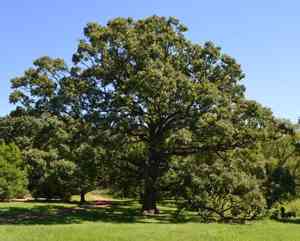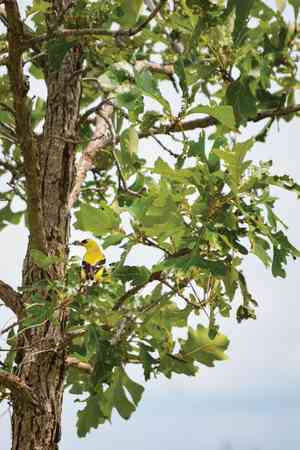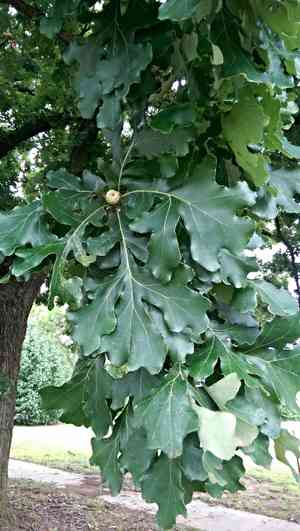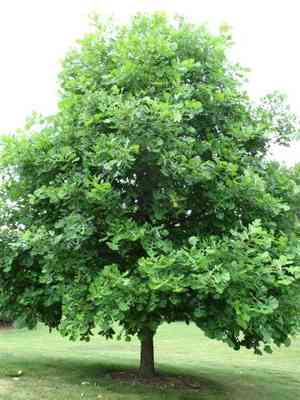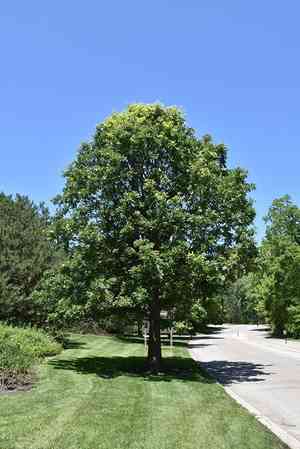
Bur oak(Quercus macrocarpa)

Bur oak (Quercus macrocarpa)

Also known as: Prairie oak, Mossycup white oak

The Bur Oak, native to North America, is a towering deciduous tree that can grow over 46 meters tall. Known for producing the largest acorns among oak trees, it is commonly utilized for shade, in shelterbelts, and as an ornamental tree.

Attributes of Bur oak

Lifespan
Perennial
Plant Type
Tree
Plant Height
30 m
Spread
18 m to 24 m
Leaf Color
Green Yellow Brown
Flower Size
2.5 cm
Flower Color
Yellow Green Gold

PlantJoy - Identify plants with a snap

Identify and diagnose plants, get toxicity alerts, and explore safety guides for all types of fungi.

Try for Free

Images of Bur oak

Bur oak(Quercus macrocarpa)

Quickly Identify Bur oak

1
Large acorns with fringed, burlap-like caps, notably mossy.
2
Distinctive deeply fringed cup encasing oval acorns, resembling chestnut bur.
3
Leaves with 5-7 deep, rounded lobes and greyish-green undersides.
4
Stems turn bold-textured, slightly corky, with multiple terminal buds.
5
Robust trunk with gray, furrowed bark developing pronounced vertical ridges.

Scientific Classification of Bur oak

Phylum
Vascular plants
Class
Dicotyledons
Order
Fagales
Family
Beech
Genus
Oaks
Species
Bur oak

Planting and Growing of Bur oak

Care Difficulty
Easy
Watering Schedule
Every day
Sunlight Requirements
Full sun
Sunshine Duration
4-8 hours
Ideal Temperature
60-75℉
Soil Type
Potting Mix, Peat Mix
Soil pH
6.5-7.5
Fertilizer Type
Balanced
Pruning Season
Spring, Summer
Pruning Area
Branches, Leaves
Pruning Frequency
2 times a year
Repotting Season
Spring
Pot Type
Plastic, Ceramic

water icon How to Water Bur oak?

When watering Quercus macrocarpa, aim to provide about 450 milliliters of water to ensure deep moisture penetration. The goal is to soak the root zone thoroughly, similar to a drenching rainstorm, which encourages deep root development and maintains soil moisture consistency.
What are the symptoms of an underwatered Bur oak?
What should I do if my Bur oak is not getting enough water?
What are the symptoms of an overwatered Bur oak?
How to save an overwatered Bur oak?
More About Watering Techniques

sunlight icon What Are the Sunlight Requirements for Bur oak?

Sunlight Requirements: Full sun, Partial sun
Duration of light: 6 to 8 hours
Quercus macrocarpa thrives in full sun to partial sun environments. Ideal light conditions support abundant leaf growth, robust canopy development, and regular acorn production, enhancing vitality.
What is the ideal amount of sunlight for Quercus macrocarpa?
How can I ensure Quercus macrocarpa receives its ideal sunlight conditions?
What benefits does Quercus macrocarpa gain from ideal sunlight conditions?
More About Sunlight Requirements Techniques

temperature icon What Is the Ideal Temperature Range for Bur oak?

Ideal Temperature: 60 ~ 75℉
Quercus macrocarpa thrives best in temperatures ranging from 60°F to 75°F. This range provides optimal conditions for photosynthesis, nutrient uptake, and overall health. Consistent temperatures within this range support robust growth, helping the tree develop strong roots and foliage.

soil icon What Soil is Best for Bur oak?

Soil type: Loam, Sandy loam
Soil PH: 6.5 ~ 7.5
The Quercus macrocarpa thrives best in well-drained soil conditions, which prevent waterlogging and allow the roots to breathe. This type of soil helps the tree to establish a strong root system essential for nutrient absorption and overall health. Bur oak prefers nutrient-rich soil, frequently found in fertile loam and sandy loam. These soils supply necessary nutrients, contributing to the vigorous growth and robustness of the plant, facilitating its majestic canopy development. While being drought-tolerant, Quercus macrocarpa benefits from soil that retains moderate moisture without being overly wet. This balance ensures the tree receives enough hydration, promoting consistent growth and resilience against dry spells. More About Soil

fertilize icon How to Fertilize Bur oak?

Fertilizer type: Balanced
For Quercus macrocarpa, apply 1/2 cup of liquid fertilizer per tree every two weeks during the growing season. For slow-release fertilizers, use approximately 2 pounds per tree annually, applied at the base of the trunk. More About Fertilizing Techniques

prune icon How to Prune Bur oak?

Pruning Time: Spring, Summer
Begin your pruning by removing any dead, diseased, or damaged branches. These can be easily identified by their brittle texture and lack of foliage. Focus on thinning the tree's canopy to allow sunlight and air to reach the inner branches. Remove any crossing or rubbing branches, which can cause damage and invite pests. Once the treetop is manageable, shape the Quercus macrocarpa to encourage a balanced form. Trim tips of lateral branches to direct growth and sustain a rounded top. More About Pruning Techniques

propagate icon How to Propagate Bur oak plant?

Propagate Time: Spring, Early spring
1
Collect mature acorns directly from the trees during early autumn. Ensure the acorns are healthy and free from insect damage or fungus, as these factors can significantly reduce germination rates.
2
To break dormancy, store acorns in a moist, cold environment for 4-6 weeks. This mimics natural winter conditions, allowing the seeds to be ready for germination come spring.
3
When grafting, ensure alignment of cambium layers between rootstock and scion. Limit exposure to air during grafting, as this can dry out the cuts and compromise the union.
More About Propagating Techniques

repot icon How to Repot Bur oak plant?

Repotting frequency: Every 2-3 years
1
Quercus macrocarpa should be repotted when you notice roots growing out of the drainage holes or if the tree's growth slows down despite appropriate care. Spring or early summer is the best time for repotting, as the tree is primed to enter its growth phase. This timing allows for maximum recovery and adaptation to new soil conditions.
2
Choose a pot that is slightly larger than the current one, ensuring it has sufficient depth for root expansion and adequate drainage holes to prevent waterlogging. A good choice would be a pot made of breathable material, like terracotta, which allows for airflow to the roots and helps regulate moisture levels.
3
Opt for well-draining loamy soil that mimics the oak's natural environment, thus providing necessary nutrients and preventing root rot. Such soil ensures moisture retention without causing waterlogged conditions, facilitating the healthy growth of Quercus macrocarpa.

PlantJoy - Identify plants with a snap

Find the best spots for them to optimize their health, simply using your phone.

Try for Free

Toxicity of Bur oak

Is Bur oak toxic to humans?

The Bur oak is a plant that possesses a certain level of toxicity, similar to other species in the *Quercus,* or oak, family. The adverse effects of consuming parts of this tree can vary from mild to moderate. The toxicity primarily arises from the tannins present in its young leaves and acorns. Ingesting these components can lead to symptoms including abdominal pain, constipation, bloody stools, diarrhea, severe thirst, and frequent urination. During both spring and autumn, children may come across the leaves and fallen acorns, potentially consuming them without awareness of their poisonous nature.

Is Bur oak toxic to cat?

The bur oak poses a slight toxicity threat to cats. If they ingest significant quantities of its leaves or seeds, they may experience poisoning, which can result in observable signs of distress. Should you suspect your cat has ingested bur oak, it is crucial to seek immediate professional assistance at a veterinary clinic to safeguard the health and welfare of the impacted animal.

Is Bur oak toxic to dog?

Bur oak presents a minor toxicity threat to dogs. If consumed in excessive quantities, the leaves or seeds of this plant can lead to poisoning in canines. Following the ingestion of bur oak parts, dogs might display symptoms including gastrointestinal distress, vomiting, or diarrhea. It is vital for dog owners to keep an eye on their pets and deter them from eating large amounts of this plant. Should a dog consume bur oak and exhibit poisoning symptoms, it is imperative to obtain prompt veterinary attention to secure the best possible recovery for the pet's health.

Identify toxic plants for your safety

Learn which plants are harmful to you and your pets, and make informed choices for a safer home!

Try for Free
WARNING
The judgment on toxicity and danger is for reference only. We DO NOT GUARANTEE any accuracy of such judgment. Therefore, you SHALL NOT rely on such judgment. It is IMPORTANT TO SEEK PROFESSIONAL ADVICE in advance when necessary.
More About Toxic Techniques