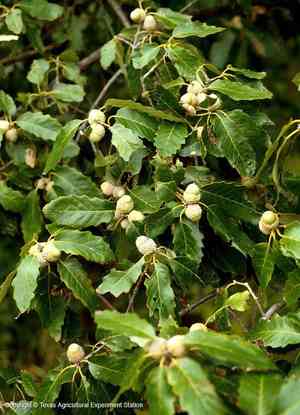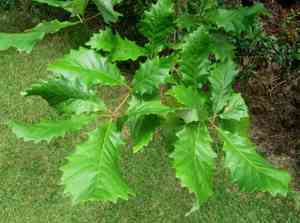
Swamp chestnut oak(Quercus michauxii)

Swamp chestnut oak (Quercus michauxii)

Also known as: Cow oak

The swamp chestnut oak (Quercus michauxii) is highly regarded for its wood, which can be effortlessly split into thin, sturdy, and flexible strips, making it ideal for crafting durable baskets. Additionally, its large acorns are relatively low in bitterness, making them more palatable. These acorns are not only edible for humans but also favored by livestock such as cows, providing a nutritious food source.

Attributes of Swamp chestnut oak

Lifespan
Perennial
Plant Type
Tree
Plant Height
20 m
Spread
9 m to 21 m
Leaf Color
Green Yellow Gold Silver Gray
Flower Size
2.5 cm to 8 cm
Flower Color
Yellow Green Red Burgundy Gold

PlantJoy - Identify plants with a snap

Identify and diagnose plants, get toxicity alerts, and explore safety guides for all types of fungi.

Try for Free

Images of Swamp chestnut oak

Swamp chestnut oak(Quercus michauxii)

Quickly Identify Swamp chestnut oak

1
Towering height of 60-80 feet (18-24 meters) with rounded crown and irregular span.
2
Acorns are large, encased in scaly cupules, and have a sweet taste.
3
Male flowers in slender yellow catkins, females in few-flowered reddish spikes.
4
Leaves are broad, shiny green above, grey-green below, with wavy margins.
5
Stem transitions from green to brown to grey, with smooth texture aging to rough.

Scientific Classification of Swamp chestnut oak

Phylum
Vascular plants
Class
Dicotyledons
Order
Fagales
Family
Beech
Genus
Oaks
Species
Swamp chestnut oak

Planting and Growing of Swamp chestnut oak

Care Difficulty
Moderate
Watering Schedule
Every 2 days
Sunlight Requirements
Full sun
Sunshine Duration
6-10 hours
Ideal Temperature
60-75℉
Soil Type
Potting Mix, Peat Mix
Soil pH
4.5-6.5
Fertilizer Type
Balanced
Pruning Season
Spring, Summer
Pruning Area
Branches, Leaves
Pruning Frequency
2 times a year
Repotting Season
Spring
Pot Type
Plastic, Ceramic

water icon How to Water Swamp chestnut oak?

When watering Quercus michauxii, aim for a deep soak that reaches the root zone. Approximately 500 ml of water per session should suffice, allowing the moisture to penetrate the soil thoroughly without causing waterlogging. It's crucial to maintain soil moisture balance, ensuring it's neither too dry nor overly wet.
What are the symptoms of an underwatered Swamp chestnut oak?
What should I do if my Swamp chestnut oak is not getting enough water?
What are the symptoms of an overwatered Swamp chestnut oak?
How to save an overwatered Swamp chestnut oak?

sunlight icon What Are the Sunlight Requirements for Swamp chestnut oak?

Sunlight Requirements: Full sun, Partial sun
Duration of light: 6 to 8 hours
Quercus michauxii prefers full sun to partial sun conditions, thriving best with around 6 to 8 hours of sunlight. This helps maximize photosynthesis, enhancing growth and overall health, ensuring a vibrant display of foliage.
What is the ideal light for Quercus michauxii?
How to achieve ideal lighting conditions?
Benefits of ideal lighting conditions?
More About Sunlight Requirements Techniques

temperature icon What Is the Ideal Temperature Range for Swamp chestnut oak?

Ideal Temperature: 60 ~ 75℉
The ideal temperature range for Quercus michauxii, commonly known as the swamp chestnut oak, is between 60°F and 75°F. These temperatures provide an optimal environment for photosynthesis and other physiological processes, promoting healthy growth and development.

soil icon What Soil is Best for Swamp chestnut oak?

Soil type: Loam, Clay soil, Acidic soil
Soil PH: 4.5 ~ 6.5
Quercus michauxii thrives in soil that can retain moisture but still drain well. This is crucial because consistent moisture helps in sustaining the tree’s deep root system, ensuring healthy growth and resilience against drought. The soil should be rich in organic matter to provide essential nutrients. Organic matter decomposes to release nutrients vital for the tree's growth, enhancing leaf production and overall vitality. Though it favors moisture, the tree also requires good drainage to avoid root rot. Soggy soils can lead to fungal infections and other root diseases, thus it's imperative for longevity and health.

fertilize icon How to Fertilize Swamp chestnut oak?

Fertilizer type: Balanced
For Quercus michauxii, a moderate amount of fertilizer is recommended, especially during its active growing season. Typically, apply a balanced fertilizer with an N-P-K ratio of around 10-10-10. Use approximately 1 pound of fertilizer per inch of trunk diameter, spread evenly under the canopy.

prune icon How to Prune Swamp chestnut oak?

Pruning Time: Spring, Summer
Before starting, observe the tree's natural shape and plan cuts to enhance this form. Avoid cutting more than 25% of the tree’s foliage in any one season to prevent stress. Make cuts at a slight angle, just above a node or outward-facing bud, to encourage healthy regrowth. Avoid stubs, as they hinder healing and can lead to decay. More About Pruning Techniques

propagate icon How to Propagate Swamp chestnut oak plant?

Propagate Time: Spring, Early spring
1
Collect acorns from mature Quercus michauxii during the autumn months. Ensure they are free from insect damage and disease to maximize germination rates.
2
Store the seeds in a moist, cold environment for several months to mimic winter conditions, which is a process known as stratification. This breaks seed dormancy and increases germination success.
3
Sow the stratified seeds in seedling trays filled with a well-draining soil mix. Lightly cover them with soil and keep the substrate consistently moist but not waterlogged.
More About Propagating Techniques

repot icon How to Repot Swamp chestnut oak plant?

Repotting frequency: Every 2-3 years
1
Look for signs such as roots emerging from drainage holes, soil drying out quickly, or diminished growth. The ideal time to repot Quercus michauxii is early Spring or Autumn. This timing helps the plant to establish its roots before the hot summer or cold winter.
2
Select a pot that is about 2-3 inches larger in diameter than the current one. This prevents excessive water retention that larger pots could cause. Ensure it has ample drainage holes to allow excess water to escape, thus preventing root rot.
3
Opt for a well-drained, loamy mix that balances moisture retention and aeration. A combination of garden soil, compost, and perlite works best. This mix supports root development while preventing waterlogging.

PlantJoy - Identify plants with a snap

Find the best spots for them to optimize their health, simply using your phone.

Try for Free

Toxicity of Swamp chestnut oak

Is Swamp chestnut oak toxic to humans?

The swamp chestnut oak possesses mild toxic characteristics that become activated upon ingestion, similar to various other oak species. When specific parts of the tree are consumed, individuals may experience mild to moderate adverse effects. The young leaves and acorns are toxic due to their tannin content. These tannins can lead to symptoms including upset stomach, constipation, diarrhea, bloody stools, and intense thirst. In severe cases, they may even impact kidney function. Given that these trees are frequently found in parks and residential yards, they are often accessible to children, who might unintentionally ingest young leaves or fallen acorns.

Is Swamp chestnut oak toxic to cat?

The swamp chestnut oak presents a low toxicity risk to felines if they consume a significant quantity of its leaves or seeds. While the precise toxic compounds remain unidentified, it is important for cat proprietors to recognize that contact with this plant may result in symptoms of unease. Cat owners should keep a vigilant eye on their pets and curb their intake of considerable amounts of the foliage. If a cat exhibits any changes in health or signs of discomfort, it is essential to seek immediate attention from a veterinary clinic to ensure the cat's health and recovery.

Is Swamp chestnut oak toxic to dog?

The swamp chestnut oak presents a minor toxicity hazard to dogs. These animals may experience poisoning if they consume significant quantities of the leaves or seeds of this plant. Ingesting large amounts may lead to symptoms such as gastrointestinal distress, which can include vomiting and diarrhea. It is crucial for dog owners to keep a close eye on their pets and prevent them from eating large portions of swamp chestnut oak. Should a dog ingest a considerable amount of this plant, it is vital to obtain immediate veterinary assistance to effectively address any potential poisoning effects and ensure proper care.

Identify toxic plants for your safety

Learn which plants are harmful to you and your pets, and make informed choices for a safer home!

Try for Free
WARNING
The judgment on toxicity and danger is for reference only. We DO NOT GUARANTEE any accuracy of such judgment. Therefore, you SHALL NOT rely on such judgment. It is IMPORTANT TO SEEK PROFESSIONAL ADVICE in advance when necessary.
More About Toxic Techniques