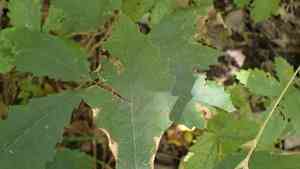
Chinquapin oak (Quercus muehlenbergii)
Also known as: Yellow oak, Rock oak
The chinquapin oak (Quercus muehlenbergii) is a deciduous tree found across the eastern and southern United States, as well as parts of Mexico and Canada. Known for its durable hardwood used in construction, this tree also produces sweet acorns. These acorns are highly attractive to a range of wildlife, including mice, voles, chipmunks, deer, and various bird species.
Attributes of Chinquapin oak
Images of Chinquapin oak
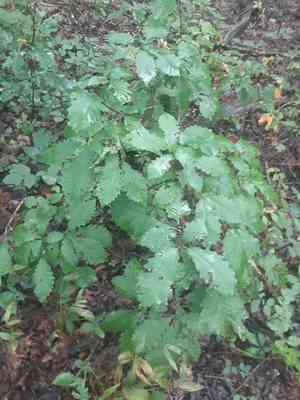
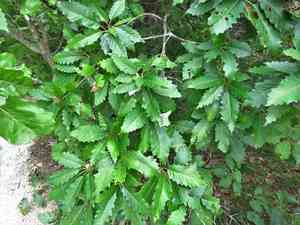

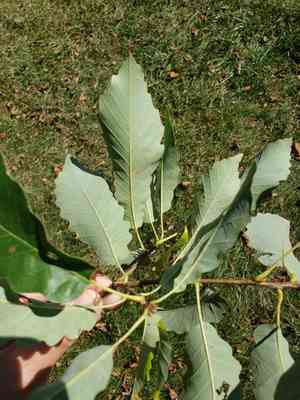
Quickly Identify Chinquapin oak
Scientific Classification of Chinquapin oak
Planting and Growing of Chinquapin oak
 How to Water Chinquapin oak?
 What Are the Sunlight Requirements for Chinquapin oak?
 What Is the Ideal Temperature Range for Chinquapin oak?
 What Soil is Best for Chinquapin oak?
 How to Fertilize Chinquapin oak?
 How to Prune Chinquapin oak?
 How to Propagate Chinquapin oak plant?
 How to Repot Chinquapin oak plant?
Toxicity of Chinquapin oak
Is Chinquapin oak toxic to humans?
As a species within the oak genus, the chinquapin oak possesses the potential for toxicity when parts of it are consumed. Consuming any part of this tree can lead to mild to moderate symptoms. The young leaves and acorns contain tannins, which are responsible for their toxic nature. These tannins can provoke an upset stomach, constipation, diarrhea, bloody stools, increased urination, and severe thirst; in more serious cases, the kidneys may also be adversely affected. Given that this plant is commonly found in parks and residential areas, there is a risk that children may inadvertently pick and consume the young leaves or acorns, unaware of their toxic effects.
Is Chinquapin oak toxic to cat?
The chinquapin oak carries a mild toxicity risk for cats. High consumption of the plant's leaves or seeds may lead to toxic reactions in felines. Following ingestion, affected cats could experience physical discomfort, indicating possible health issues stemming from poisoning. While the specific toxic compounds have not been identified, the potential for illness underscores the importance of closely monitoring a cat's interactions with chinquapin oak. Given the urgency related to poisoning, it is crucial for pet owners to promptly seek veterinary assistance if their cat exhibits any signs of distress after consuming chinquapin oak.
Is Chinquapin oak toxic to dog?
The chinquapin oak is recognized for possessing a mild toxicity level that can adversely affect dogs. If ingested in significant quantities, this plant may poison canines. The components of the plant that present a danger are primarily the leaves and seeds, necessitating their removal from areas accessible to pets to avert unintentional consumption. Should a dog ingest parts of the chinquapin oak, it may display symptoms typical of poisoning. Although the specific toxic compounds are not outlined, pet owners must be vigilant, as any signs of illness post-ingestion require immediate consultation with a veterinarian. Timely treatment at a veterinary facility is essential to ensure the health and recovery of a dog exposed to chinquapin oak toxicity.



