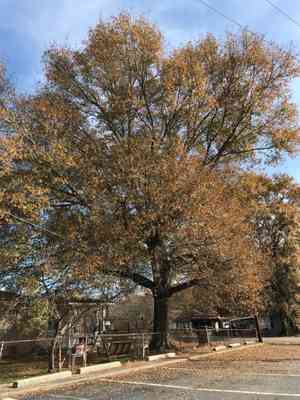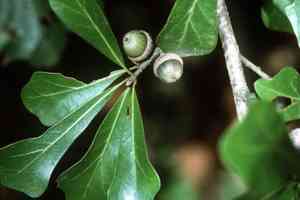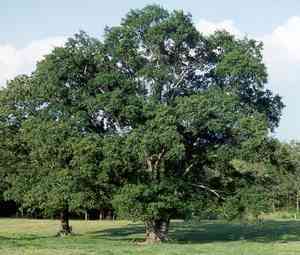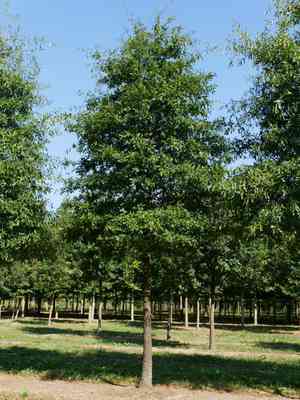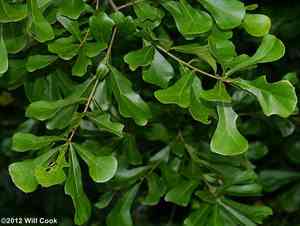
Water oak(Quercus nigra)

Water oak (Quercus nigra)

Also known as: Possum oak

The Water oak (Quercus nigra) is a medium-sized deciduous tree typically located in lowland woods, floodplains, and near swamps and rivers in the southeastern United States. It significantly contributes to local woodland ecosystems. However, it is not commonly used for ornamental purposes due to its less desirable growth characteristics.

Attributes of Water oak

Lifespan
Perennial
Plant Type
Tree
Plant Height
30 m
Spread
18 m to 21 m
Leaf Color
Green Brown
Flower Size
2.5 cm
Flower Color
Yellow Green

PlantJoy - Identify plants with a snap

Identify and diagnose plants, get toxicity alerts, and explore safety guides for all types of fungi.

Try for Free

Images of Water oak

Water oak(Quercus nigra)

Quickly Identify Water oak

1
Slender reddish-brown stems with ovoid buds and imbricate brown scales.
2
Distinctive bark transformation from smooth brown to rough gray-black with furrows and ridges.
3
Acorns around 1/2 to 1 inch (1.3-2.5 cm) with near-black color and flat, scaled cap.
4
Alternate leaves with bluish-green tops, paler undersides, and variable spatulate to lanceolate shapes.
5
Male flowers in pendulous catkins, female flowers in short spikes; no noticeable scent; April blooming period.

Scientific Classification of Water oak

Phylum
Vascular plants
Class
Dicotyledons
Order
Fagales
Family
Beech
Genus
Oaks
Species
Water oak

Planting and Growing of Water oak

Care Difficulty
Easy
Watering Schedule
Every 4 days
Sunlight Requirements
Full sun
Sunshine Duration
6-10 hours
Ideal Temperature
60-85℉
Soil Type
Potting Mix, Peat Mix
Soil pH
6.5-7.5
Fertilizer Type
Balanced
Pruning Season
Spring, Summer
Pruning Area
Branches, Leaves
Pruning Frequency
2 times a year
Repotting Season
Spring
Pot Type
Terracotta, Plastic

water icon How to Water Water oak?

Quercus nigra, also known as the water oak, should be watered until the soil is thoroughly moist to a depth of 8 to 10 inches. This ensures that the roots have adequate moisture penetration without the risk of standing water which can suffocate roots.
What are the symptoms of an underwatered Water oak?
What should I do if my Water oak is not getting enough water?
What are the symptoms of an overwatered Water oak?
How to save an overwatered Water oak?

sunlight icon What Are the Sunlight Requirements for Water oak?

Sunlight Requirements: Full sun, Partial sun
Duration of light: 6-8 hours daily
Quercus nigra benefits from a partial to full sun environment, ideally receiving 6-8 hours of direct sunlight. Adequate sunlight fosters a healthy canopy, increased acorn production, and efficient nutrient uptake.
Optimal Sun Exposure
No Dense Shade
Landscape Location

temperature icon What Is the Ideal Temperature Range for Water oak?

Ideal Temperature: 60 ~ 85℉
The ideal temperature range for Quercus nigra is between 60 and 85 degrees Fahrenheit. This range provides optimal conditions for growth, ensuring that the plant can effectively photosynthesize and maintain its health. Maintaining this temperature range helps in maximizing nutrient absorption and supports robust development and foliage strength.

soil icon What Soil is Best for Water oak?

Soil type: Loam, Sandy loam, Clay soil
Soil PH: 6.5 ~ 7.5
Quercus nigra thrives in soil that can retain moisture well. This feature helps the plant maintain consistent hydration, which is essential for robust growth and resistance against drought. The soil should be packed with nutrients to give Quercus nigra the essential elements it needs. Rich soil supports vigorous growth and enhances the tree's foliage. Even though moisture is crucial, Quercus nigra also requires well-draining soil. Proper drainage prevents waterlogging, thus protecting the roots from rot and fungal infections.

fertilize icon How to Fertilize Water oak?

Fertilizer type: Balanced
For Quercus nigra, it's recommended to use about one pound of nitrogen per inch of trunk diameter for mature trees. Ensure to balance macronutrients like phosphorus and potassium along with nitrogen for optimal growth.

prune icon How to Prune Water oak?

Pruning Time: Winter
Before starting, ensure your pruning tools are clean and sharp. Use a pair of bypass pruners for smaller branches and a pruning saw for larger limbs. This helps create clean cuts, reducing the risk of disease. Begin by removing any dead, diseased, or damaged branches. These can be identified as they often lack foliage or appear discolored. Cutting them at their base encourages healthy growth and helps prevent disease spread. Look for areas where branches are densely packed. Prune selectively to allow more sunlight and air to reach the inner branches. This not only helps with plant health but also improves the tree's aesthetic shape. Shape your Quercus nigra by maintaining a balanced canopy and removing any crossing or rubbing branches. This helps maintain structural integrity and enhances the landscape appearance. After pruning, clean up the debris and consider applying a layer of mulch around the base of the tree. Mulching conserves moisture, reduces weeds, and provides nutrients as it decomposes.

propagate icon How to Propagate Water oak plant?

Propagate Time: Spring, Early spring, Late spring
1
Gather acorns in the autumn when they fall to the ground. Inspect and discard any damaged or infested seeds. Pre-soaking the seeds in water for 24 hours can help improve germination rates.
2
During early spring, select healthy branches and make a clean cut of 6 to 8 inches. Remove lower leaves, leaving a few leaves at the top. Apply rooting hormone to the cut end to promote root development.
3
Plant seeds or cuttings in pots filled with a well-draining soil mix. Ensure that the seeds are sown at least an inch deep. Keep the soil consistently moist but not waterlogged.

repot icon How to Repot Water oak plant?

Repotting frequency: Every 2-3 years
1
Quercus nigra shows clear signs when it needs repotting. Look for roots emerging from drainage holes, which indicate the root system is seeking more space. Stunted growth or yellowing leaves can also be signals of needing a roomier pot. Ideally, undertake this task in early spring or fall, providing optimal conditions for recovery and growth.
2
Selecting an appropriate pot for Quercus nigra ensures its healthy development. Opt for a pot that's 2-3 inches larger in diameter than the current one and has sufficient drainage holes. A pot made of breathable materials like terra cotta can benefit the plant by allowing excess moisture to escape, preventing root rot and promoting good air circulation.
3
Choosing the right soil is crucial for the health of Quercus nigra. A well-draining, sandy loam soil mimics the natural habitat of the tree, providing necessary air pockets for the roots while retaining adequate moisture. This ensures the plant is not waterlogged, minimizing the risk of rot and promoting robust root development.

PlantJoy - Identify plants with a snap

Find the best spots for them to optimize their health, simply using your phone.

Try for Free

Toxicity of Water oak

Is Water oak toxic to humans?

The water oak, belonging to the *Quercus* genus, has the potential to induce toxic reactions if consumed. Certain parts of the tree, such as the young leaves and acorns, can lead to milder to moderate symptoms due to their content of toxic tannins. Ingesting these tannins may result in symptoms including upset stomach, constipation, bloody stools, diarrhea, severe thirst, and increased urination; in severe cases, kidney damage may occur. Given the popularity of oak trees in parks and residential areas, young children might have easy access to these toxic leaves and acorns, increasing the risk of accidental ingestion.

Is Water oak toxic to cat?

Water oak presents a slight toxicity threat to cats, especially when they consume significant quantities of its leaves or seeds. Ingesting portions of the water oak tree may result in symptoms indicating general discomfort or illness in these animals. If cat owners suspect their feline has ingested water oak, it is essential to monitor for any signs of distress and to promptly seek veterinary care to guarantee their pet's safety and well-being.

Is Water oak toxic to dog?

The water oak plant species is categorized as mildly toxic to dogs. If consumed in large quantities, particularly the leaves and seeds, canines may face the risk of poisoning. Symptoms such as gastrointestinal disturbance or other mild reactions can occur after ingesting notable amounts of water oak. It is essential for dog owners to keep a close eye on their pets and restrict access to regions where water oak is plentiful. If a dog does consume any parts of water oak, prompt veterinary attention is vital to guarantee appropriate treatment and management of any possible toxic effects.

Identify toxic plants for your safety

Learn which plants are harmful to you and your pets, and make informed choices for a safer home!

Try for Free
WARNING
The judgment on toxicity and danger is for reference only. We DO NOT GUARANTEE any accuracy of such judgment. Therefore, you SHALL NOT rely on such judgment. It is IMPORTANT TO SEEK PROFESSIONAL ADVICE in advance when necessary.