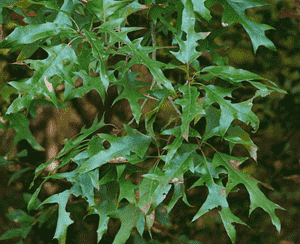
Cherrybark oak (Quercus pagoda)
Also known as: Cherrybark Oak
Cherrybark oak (Quercus pagoda), native to the southern United States, is highly regarded for its superior lumber quality. Its wood is exceptionally strong and dense, with a straight grain that makes it ideal for construction. The tree is also hardy and grows relatively quickly. The name "pagoda" comes from the shape of its tiered leaves, which resemble the structure of a pagoda. Its durability and attractive appearance make it a prime choice for building houses.
Attributes of Cherrybark oak
Images of Cherrybark oak
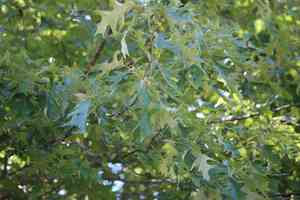
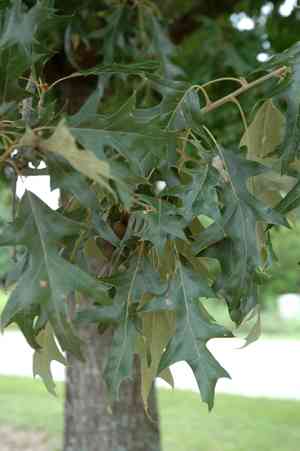
Quickly Identify Cherrybark oak
Scientific Classification of Cherrybark oak
Planting and Growing of Cherrybark oak
 How to Water Cherrybark oak?
 What Are the Sunlight Requirements for Cherrybark oak?
 What Is the Ideal Temperature Range for Cherrybark oak?
 What Soil is Best for Cherrybark oak?
 How to Fertilize Cherrybark oak?
 How to Prune Cherrybark oak?
 How to Propagate Cherrybark oak plant?
 How to Repot Cherrybark oak plant?
Toxicity of Cherrybark oak
Is Cherrybark oak toxic to cat?
Cherrybark oak poses a slight toxicity danger to felines. The risk of toxicity arises primarily when cats ingest substantial amounts of the plant's leaves or seeds. Following the consumption of cherrybark oak, a cat may show signs of physical discomfort or distress. Due to the possible harmful effects, it is vital for cat owners to restrict access to the toxic sections of cherrybark oak and observe their pets for any indications of illness. If a cat does consume cherrybark oak and displays negative reactions, prompt veterinary attention is crucial to safeguard their health and wellbeing.
Is Cherrybark oak toxic to dog?
The cherrybark oak, a particular species of plant, is recognized for having a mild toxicity level for dogs. If dogs ingest substantial quantities of its leaves or seeds, they may face poisoning risks. Pet owners must remain watchful, as large-scale consumption could result in detrimental health repercussions. Potential symptoms following the ingestion of cherrybark oak parts by a dog may include gastrointestinal distress, such as vomiting and diarrhea, lethargy, or even more serious reactions depending on the quantity consumed. Although specific toxic compounds are not identified, it is critical for dog owners to keep their pets away from any portion of this plant. Should there be a suspicion that a dog has been poisoned by cherrybark oak, seeking prompt veterinary assistance is vital for ensuring appropriate treatment and management of any arising symptoms.



