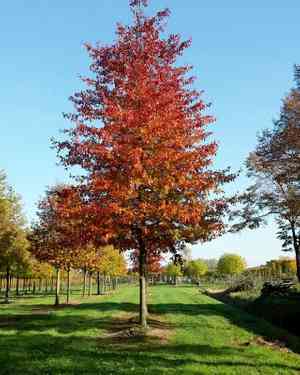
Pin oak(Quercus palustris)

Pin oak (Quercus palustris)

Also known as: Swamp oak

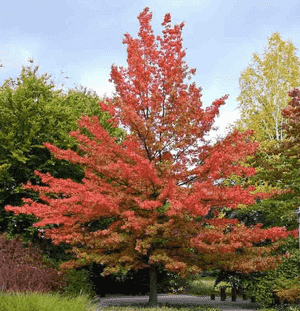
Pin Oak (Quercus palustris), a deciduous tree indigenous to North America, is widely favored in landscaping. Its robust growing characteristics and striking bronze autumn foliage make it a popular choice for many gardeners and landscapers.

Attributes of Pin oak

Lifespan
Perennial
Plant Type
Tree
Plant Height
25 m
Spread
12 m to 15 m
Leaf Color
Green Red Brown
Flower Size
5 cm to 8 cm
Flower Color
Yellow Green

PlantJoy - Identify plants with a snap

Identify and diagnose plants, get toxicity alerts, and explore safety guides for all types of fungi.

Try for Free

Images of Pin oak

Pin oak(Quercus palustris)

Quickly Identify Pin oak

1
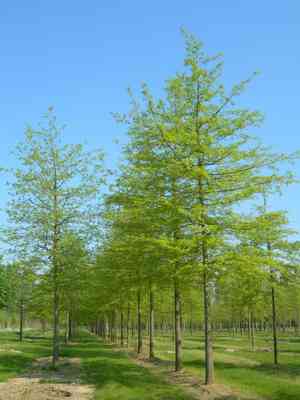
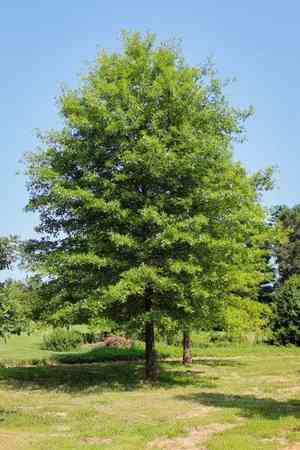
Distinct pyramidal shape in youth transitioning to rounded crown at maturity.
2
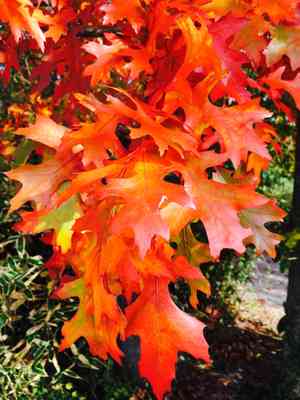
Dark green leaves with 5-7 pointed lobes and U-shaped sinuses.
3
Long, pendulous chains of yellow to greenish-yellow male flowers.
4
Small acorns with sleek cap covering 1/4-1/3, measuring 0.5-1 inches (1.3-2.5 cm).
5
Smooth, slender stem with reddish-brown color, 1/4-3/8 inch (6-10 mm) in diameter.

Scientific Classification of Pin oak

Phylum
Vascular plants
Class
Dicotyledons
Order
Beeches, walnuts, and allied trees
Family
Beech
Genus
Oaks
Species
Pin oak

Planting and Growing of Pin oak

Care Difficulty
Easy
Watering Schedule
Every 2 days
Sunlight Requirements
Full sun
Sunshine Duration
6-10 hours
Ideal Temperature
68-77℉
Soil Type
Potting Mix, Peat Mix
Soil pH
4.5-6.5
Fertilizer Type
Balanced
Pruning Season
Spring, Summer
Pruning Area
Branches, Leaves
Pruning Frequency
2 times a year
Repotting Season
Spring
Pot Type
Plastic, Ceramic

water icon How to Water Pin oak?

Quercus palustris, commonly known as the pin oak, requires consistent moisture but hates saturated soil. The key is to ensure the soil remains moist to a depth of about 6-8 inches. When watering, aim to provide 2000 ml at a time to mimic the plant’s natural environment in wet regions. This substantial amount of water allows for deep, thorough soaking of the root zone without overwhelming drainage abilities.
What are the symptoms of an underwatered Pin oak?
What should I do if my Pin oak is not getting enough water?
What are the symptoms of an overwatered Pin oak?
How to save an overwatered Pin oak?

sunlight icon What Are the Sunlight Requirements for Pin oak?

Sunlight Requirements: Full sun, Partial sun
Duration of light: 6-8 hours daily
Quercus palustris thrives best in environments that provide full sun to partial sun exposure. Adequate sunlight is critical for optimal photosynthetic activity, leading to lush foliage, increased growth rates, and overall tree health and vigor.
What type of light does Quercus palustris prefer?
How can I achieve ideal light conditions for my Quercus palustris?
What are the benefits of providing ideal light to Quercus palustris?

temperature icon What Is the Ideal Temperature Range for Pin oak?

Ideal Temperature: 68 ~ 77℉
Quercus palustris, or the pin oak, thrives best with temperatures between 68°F and 77°F. This range supports optimal growth, allowing the tree to perform photosynthesis efficiently and maintain strong metabolic functions. Consistent temperatures within this range prevent stress-related issues and encourage lush foliage and robust development.

soil icon What Soil is Best for Pin oak?

Soil type: Loam, Acidic soil
Soil PH: 4.5 ~ 6.5
Quercus palustris, commonly known as the pin oak, thrives in consistently moist soils commonly found in swampy areas. This characteristic helps ensure balanced hydration and nutrients supply, crucial for robust growth and vibrant foliage. While the pin oak enjoys moist conditions, well-drained soil helps prevent root rot and other diseases. Good drainage allows excess rainwater to escape easily, ensuring roots breathe freely and stay healthy. This oak benefits from soils rich in organic matter which provides the essential nutrients necessary for growth. Proper nutrient availability supports healthy development of leaves, branches, and acorn production.

fertilize icon How to Fertilize Pin oak?

Fertilizer type: Balanced
For Quercus palustris, the fertilization amount should be moderate, focusing on promoting steady growth without overwhelming the plant. A balanced 10-10-10 fertilizer is often recommended. For liquid fertilizers, mix according to label instructions to support nutritional needs.

prune icon How to Prune Pin oak?

Pruning Time: Spring, Winter
Begin by removing any dead, damaged, or diseased branches with clean, sharp tools. Focus on thinning out crowded areas to allow sunlight and air to reach inner branches. Be sure to cut at the branch collar, the area where a branch connects to the trunk, to promote proper healing. When shaping the canopy of your pin oak, try to maintain a naturally rounded form. Avoid cutting main branches unless absolutely necessary. Instead, trim smaller shoots and crossing branches that disrupt the tree's symmetry, underlining its elegant silhouette.

propagate icon How to Propagate Pin oak plant?

Propagate Time: Spring, Late spring
1
Collect acorns in the autumn when they are mature and have just fallen from the tree. This ensures that the seeds are viable and have a higher germination success.
2
Place acorns in seed trays with well-draining soil. Cover them lightly with soil and maintain moisture until germination, which can take several weeks.
3
Select healthy scions and rootstocks for grafting. Ensure cuts are clean and match them carefully before securing them together with grafting tape.

repot icon How to Repot Pin oak plant?

Repotting frequency: Every 2-3 years
1
Look for roots poking through drainage holes, or when the growth appears stunted due to space limitations. This is the perfect time to repot Quercus palustris and give it more room to flourish.
2
Opt for a pot slightly larger than the current one, ensuring it has adequate drainage holes. This allows the roots to spread out comfortably, preventing waterlogging and promoting healthy growth.
3
Select a well-drained, acidic soil mix for Quercus palustris. This type of soil mimics its natural habitat, enhancing nutrient uptake and providing conditions for robust growth.

PlantJoy - Identify plants with a snap

Find the best spots for them to optimize their health, simply using your phone.

Try for Free

Toxicity of Pin oak

Is Pin oak toxic to humans?

The Pin oak possesses certain mildly toxic characteristics that can be triggered upon consumption. The components of this tree, such as the acorns and leaves—particularly the younger foliage—contain tannins, which contribute to their slight toxicity. Ingesting these parts may lead to symptoms such as stomach upset, constipation, bloody stools, diarrhea, intense thirst, and frequent urination. Given that these trees are prevalent in parks and residential areas, access to them is simple. Children are particularly at risk, as they might unknowingly gather and chew on acorns and leaves without recognizing the potential hazards.

Is Pin oak toxic to cat?

Pin oak is recognized for possessing a mild toxicity level that can affect cats. Felines may consume toxic components like leaves and seeds, particularly in large quantities, which can result in possible poisoning. Following the ingestion of pin oak's parts, a cat may display signs indicative of physical discomfort, illness, or pain. As these symptoms can adversely affect a cat's health and overall wellbeing, it is crucial to seek veterinary care immediately for treatment to alleviate the repercussions of the toxin.

Is Pin oak toxic to dog?

The pin oak tree presents a mild toxicity hazard to dogs. Poisoning generally happens when a dog ingests substantial quantities of the plant, especially its leaves and seeds. Following the consumption of these parts, dogs may show signs such as gastrointestinal distress, vomiting, or diarrhea. It is vital for dog owners to vigilantly observe their pets and keep them away from locations where pin oak is prevalent. If a dog consumes a considerable amount of pin oak, seeking prompt veterinary assistance is essential to guarantee appropriate treatment and care for any possible poisoning consequences.

Identify toxic plants for your safety

Learn which plants are harmful to you and your pets, and make informed choices for a safer home!

Try for Free
WARNING
The judgment on toxicity and danger is for reference only. We DO NOT GUARANTEE any accuracy of such judgment. Therefore, you SHALL NOT rely on such judgment. It is IMPORTANT TO SEEK PROFESSIONAL ADVICE in advance when necessary.