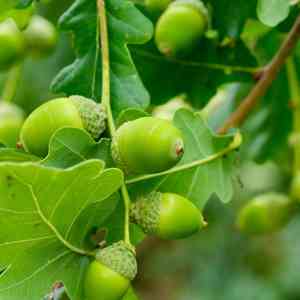
Sessile oak (Quercus petraea)
Also known as: Durmast oak, Chestnut oak
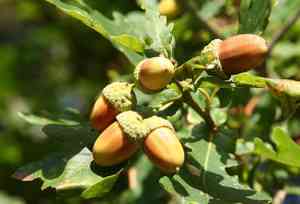
The sessile oak (Quercus petraea), native to Europe and widespread in the British Isles, is Ireland's national tree. Its name reflects its distinctive acorns, which grow directly on the branches without stems. This tree supports a variety of wildlife, including being a preferred food source for the caterpillars of purple hairstreak butterflies.
Attributes of Sessile oak
Images of Sessile oak
Quickly Identify Sessile oak
Scientific Classification of Sessile oak
Planting and Growing of Sessile oak
 How to Water Sessile oak?
 What Are the Sunlight Requirements for Sessile oak?
 What Is the Ideal Temperature Range for Sessile oak?
 What Soil is Best for Sessile oak?
 How to Fertilize Sessile oak?
 How to Prune Sessile oak?
 How to Propagate Sessile oak plant?
 How to Repot Sessile oak plant?
Toxicity of Sessile oak
Is Sessile oak toxic to cat?
The sessile oak presents a mild toxic risk to felines. Cats may accidentally consume various parts of this plant, resulting in potential poisoning. Given that all parts of the sessile oak contain toxins, it is essential for owners to remain watchful to deter their cats from nibbling on any section. If a cat ingests any part of the sessile oak, it may exhibit general signs of physical distress, which could worsen if immediate veterinary intervention is not sought. Should ingestion be suspected, it is vital for pet owners to promptly seek medical assistance at a veterinary clinic to safeguard their cat's health and well-being.
Is Sessile oak toxic to dog?
The sessile oak is regarded as exhibiting a mild toxic effect on dogs. If canines inadvertently consume parts of this plant, they may be at risk of poisoning. While the exact toxic components are not specified, dog owners should be aware that every part of the plant presents a potential hazard. Should ingestion take place, signs of toxicity may arise, including gastrointestinal distress, lethargy, or potentially more severe health issues proportional to the quantity consumed. In any instance of suspected poisoning, it is vital for the dog to seek immediate veterinary attention to safeguard their health.



