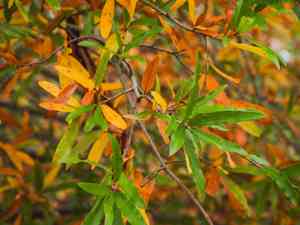
Willow oak (Quercus phellos)
Also known as: Peach oak
Willow oak (Quercus phellos) is a medium-sized deciduous tree commonly found in North America. What sets it apart from other oak species is its unique foliage: the leaves are narrow, lance-shaped, and resemble those of a willow tree, which is the origin of its name.
Attributes of Willow oak
Images of Willow oak
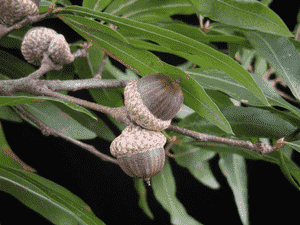
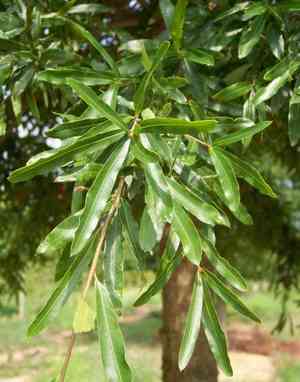

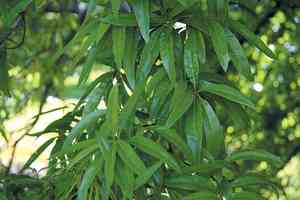
Quickly Identify Willow oak
Scientific Classification of Willow oak
Planting and Growing of Willow oak
 How to Water Willow oak?
 What Are the Sunlight Requirements for Willow oak?
 What Is the Ideal Temperature Range for Willow oak?
 What Soil is Best for Willow oak?
 How to Fertilize Willow oak?
 How to Prune Willow oak?
 How to Propagate Willow oak plant?
 How to Repot Willow oak plant?
Toxicity of Willow oak
Is Willow oak toxic to humans?
The willow oak, a type of oak tree, poses a mild toxicity risk if consumed. Ingesting it can lead to mild to moderate symptoms, particularly with excessive quantities. This toxic effect is mainly due to the tannins present in the young leaves and acorns. Consuming these plant parts can result in various health issues such as stomach upset, constipation, diarrhea, bloody stools, and intense thirst. In severe cases, there may also be an impact on kidney function. These trees are commonly cultivated as ornamental plants in parks and gardens, making them easily reachable by children who might unwittingly gather and consume the leaves or acorns.
Is Willow oak toxic to cat?
Willow oak is recognized to possess a mild level of toxicity for cats. Incidents of poisoning generally happen when the plant's leaves or seeds are consumed in significant quantities. Although the exact toxic agents have not been specified, cat owners must understand that ingestion may cause physical distress or sickness. If poisoning is suspected, it is crucial to promptly seek veterinary assistance to safeguard the health and welfare of the impacted cat.
Is Willow oak toxic to dog?
The willow oak species is known to possess a mild degree of toxicity for dogs. If dogs ingest large quantities of the leaves or seeds from the willow oak, it can lead to poisoning. Dog owners should be vigilant in identifying possible poisoning symptoms, which could manifest as vomiting, diarrhea, or abdominal discomfort. Should a dog consume any parts of the willow oak, it is essential to obtain immediate medical attention at a veterinary clinic to safeguard the well-being of the pet.



