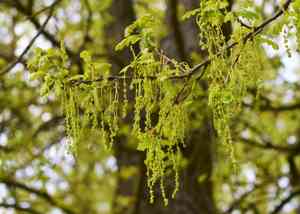
English oak (Quercus robur)
Also known as: Pedunculate oak
The English oak (*Quercus robur*) is a deciduous tree indigenous to Europe, known for its impressive lifespan, with some trees living over a thousand years. In European mythologies, it symbolizes strength, longevity, nobility, morale, and wisdom.
Attributes of English oak
Images of English oak
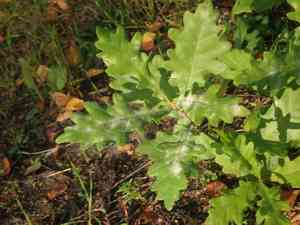
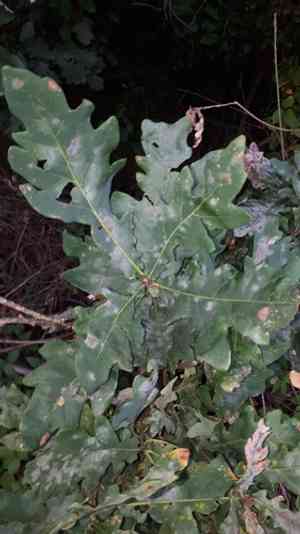
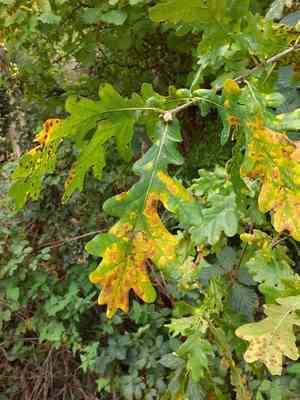
Quickly Identify English oak
Scientific Classification of English oak
Planting and Growing of English oak
 How to Water English oak?
 What Are the Sunlight Requirements for English oak?
 What Is the Ideal Temperature Range for English oak?
 What Soil is Best for English oak?
 How to Fertilize English oak?
 How to Prune English oak?
 How to Propagate English oak plant?
 How to Repot English oak plant?
Toxicity of English oak
Is English oak toxic to humans?
The English oak possesses toxic characteristics that can trigger adverse reactions in humans if consumed, similar to other species within the *Quercus* or oak genus. Generally, these plants cause mild symptoms in individuals who ingest the young leaves during spring and acorns in the autumn. Symptoms from consuming these parts include stomach pain, constipation, diarrhea, intense thirst, and frequent urination. These trees are commonly used for ornamentation in parks and gardens and may be readily accessible to children, who could unknowingly collect and eat the fallen leaves or acorns, completely unaware of their toxic nature.
Is English oak toxic to cat?
The English oak possesses a low degree of toxicity for cats, potentially resulting in poisoning if they consume a significant quantity of its leaves or seeds. During the fall season, when the seeds are plentiful, cats may come into contact with these parts, which could cause them to experience physical distress or sickness. Should a cat show symptoms of poisoning, like alterations in behavior or health, it is crucial to seek immediate medical attention at a veterinary clinic to address the situation effectively and safeguard the cat's health.
Is English oak toxic to dog?
The English oak presents a slight toxicity concern for dogs. If canines consume large quantities of its leaves or acorns, they may experience poisoning. Poisoning symptoms can manifest as gastrointestinal disturbances, including vomiting and diarrhea, as well as possible lethargy and decreased appetite. Should you suspect that your dog has eaten any parts of the English oak, it is crucial to obtain prompt veterinary assistance to safeguard your pet's health and wellness.



