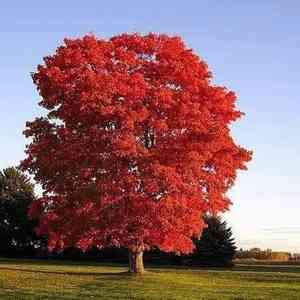
Northern red oak (Quercus rubra)
Also known as: Northern Red Oak
Northern red oak (Quercus rubra) is one of the most sought-after hardwoods in the United States, thanks to its robustness and attractive grain. The lumber from this tree is widely utilized in various applications such as:
1. **Furniture Making**: Perfect for creating elegant and durable furniture pieces.
2. **Hardwood Flooring**: Highly favored for its resilience and appealing look.
3. **Cabinet Construction**: Commonly used in crafting sturdy and beautiful cabinets.
4. **Architectural Millwork**: Ideal for moldings, trim, and paneling.
5. **Veneer Production**: Frequently sliced into thin layers for veneer purposes.
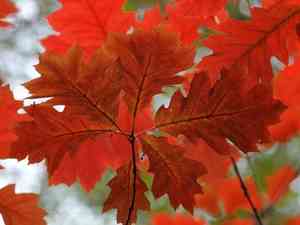
Northern red oak trees can grow to heights of 15 to 23 meters. Their leaves are dark green in the summer and turn a striking red in the fall, adding to the tree's visual appeal.
Attributes of Northern red oak
Images of Northern red oak
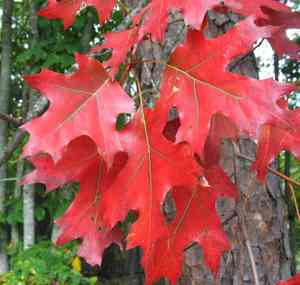
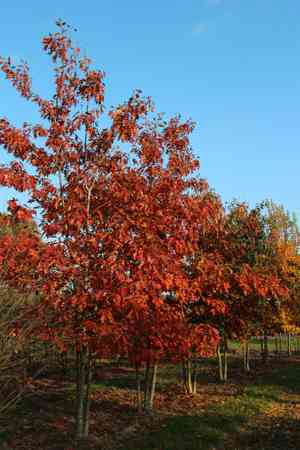
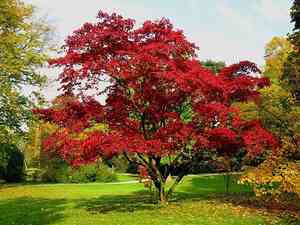
Quickly Identify Northern red oak
Scientific Classification of Northern red oak
Planting and Growing of Northern red oak
 How to Water Northern red oak?
 What Are the Sunlight Requirements for Northern red oak?
 What Is the Ideal Temperature Range for Northern red oak?
 What Soil is Best for Northern red oak?
 How to Fertilize Northern red oak?
 How to Prune Northern red oak?
 How to Propagate Northern red oak plant?
 How to Repot Northern red oak plant?
Toxicity of Northern red oak
Is Northern red oak toxic to humans?
The Northern red oak possesses mildly toxic characteristics that may be triggered by the consumption of certain parts of the plant. Its leaves and acorns contain tannins that contribute to their toxicity, leading to potential mild symptoms. Ingesting these components can result in stomach upset, constipation, bloody diarrhea, and an increased urge to drink, along with excessive urination. Since these trees are commonly found in residential gardens and parks, they are readily accessible. Children, in particular, are at risk of experiencing the toxic effects if they gather and chew on the acorns found in such settings.
Is Northern red oak toxic to cat?
The northern red oak exhibits a mild toxicity level for cats. If felines ingest significant quantities of the plant's leaves or seeds, they may experience poisoning. Following consumption, the cat might display symptoms of physical discomfort or illness. To protect a cat's well-being, it is essential to restrict access to the leaves and seeds of the northern red oak. Should you suspect that your cat has been poisoned by this plant, it is crucial to seek prompt veterinary assistance for appropriate care and treatment.
Is Northern red oak toxic to dog?
The northern red oak presents a mild toxicity threat to dogs. Poisoning generally occurs when dogs ingest significant quantities of the plant, particularly its leaves and seeds. Following the consumption of northern red oak, dogs may display signs like gastrointestinal distress, which can include vomiting and diarrhea. It is vital for dog owners to carefully observe their pets and restrict their access to areas where northern red oak grows, especially in seasons when leaves or seeds are plentiful. If a dog ingests any parts of the northern red oak, it is imperative to seek immediate veterinary assistance to guarantee appropriate treatment and management of any potential poisoning.



