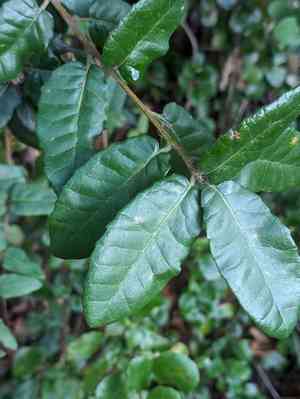
Island live oak (Quercus tomentella)
Also known as: Island Oak, Channel Island Oak
The island live oak is an endangered tree species that has faced a dramatic population decline due to overgrazing by non-native animals. This species is native to the Channel Islands off the coast of California. Additionally, the raw nuts of the island live oak contain tannins, which can be harmful if ingested.
In This Article
Attributes of Island live oak
Lifespan
Perennial
Plant Type
Tree
Plant Height
12 m to 18 m
Spread
6 m to 9 m
Leaf Color
Green Blue
Flower Size
The flowers are not conspicuous and are typically not measured in diameter.
Flower Color
Yellow Green Brown
Images of Island live oak
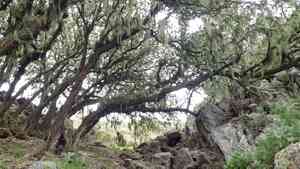
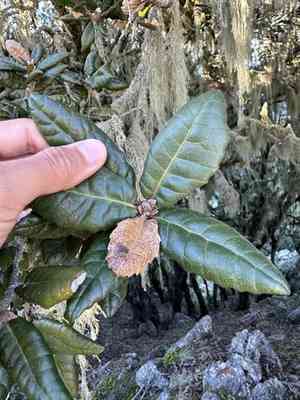
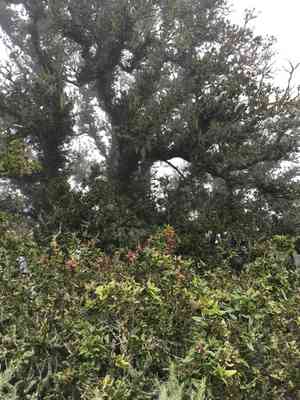
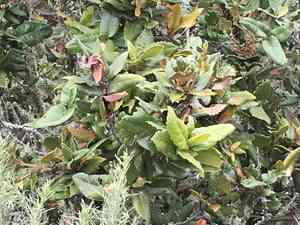
Quickly Identify Island live oak
1
Evergreen tree reaching 35-50 feet (10.7-15.2 meters) with smooth gray bark maturing to brown.
2
Leathery, elliptical leaves 2-4 inches (5-10 cm) long, dark green above, blue-green beneath.
3
Leaves edged with sharp, widely spaced teeth, displaying tan hairs on underside.
4
Bears sizable 1 inch (2.5 cm) long acorns with rounded apex in thick, warty cup.
5
Upright growth habit in youth transitioning to broad pyramidal crown upon maturity.
Scientific Classification of Island live oak
Phylum
Vascular plants
Class
Dicotyledons
Order
Fagales
Family
Beech
Genus
Oaks
Species
Island live oak
Planting and Growing of Island live oak
Care Difficulty
Moderate
Watering Schedule
Every 2 days
Sunlight Requirements
Full sun
Sunshine Duration
6-10 hours
Ideal Temperature
60-75℉
Soil Type
Potting Mix, Peat Mix
Soil pH
6.5-7.5
Fertilizer Type
Balanced
Pruning Season
Spring, Summer
Pruning Area
Branches, Leaves
Pruning Frequency
2 times a year
Repotting Season
Spring
Pot Type
Plastic, Ceramic
 How to Water Island live oak?
Quercus tomentella, commonly known as the Island Oak, thrives when the soil is moist but not soggy. A single watering session involves delivering approximately 1000ml of water for a young or medium-sized plant. Ensure that the water penetrates the soil deeply, reaching at least a depth of 6 inches to adequately support the root system. This depth ensures that water reaches the deeper roots where it's most needed and minimizes surface evaporation.
What are the symptoms of an underwatered Island live oak?
›
What should I do if my Island live oak is not getting enough water?
›
What are the symptoms of an overwatered Island live oak?
›
How to save an overwatered Island live oak?
›
 What Are the Sunlight Requirements for Island live oak?
Ideally, Quercus tomentella thrives in full to partial sunlight, gaining the most from consistent 6 to 8 hours of light. Optimal lighting supports dense foliage and robust photosynthetic activity, crucial for the tree's vigor.
More About Sunlight Requirements Techniques→
How much sunlight does Quercus tomentella need daily?
›
What are the best ways to achieve ideal lighting for Quercus tomentella?
›
What benefits does Quercus tomentella receive from ideal light conditions?
›
 What Is the Ideal Temperature Range for Island live oak?
The Quercus tomentella thrives best when temperatures are kept between 60°F and 75°F, as these conditions simulate its natural habitat. Within this range, the metabolic processes of the plant occur optimally, allowing it to grow healthily and produce strong foliage. Maintaining these temperatures can also help in preventing disease and pest infestation.
 What Soil is Best for Island live oak?
Quercus tomentella thrives in well-draining soil to prevent root rot. Proper drainage allows the roots to receive oxygen while avoiding waterlogging, which can suffocate the plant and hinder growth. This tree prefers soil with moderate nutrient content, which supports healthy growth without overwhelming the plant. Balanced nutrients ensure the oak develops strong roots and a thick canopy. Consistent soil texture is vital for root stability and growth. It allows roots to anchor securely, access nutrients effectively, and ensures consistent water absorption throughout the growing season.
 How to Fertilize Island live oak?
For Quercus tomentella, it's ideal to use a balanced 10-10-10 fertilizer. When applying liquid fertilizer, dilute it to half strength and use around half a gallon per tree, ensuring even distribution across the root zone.
 How to Prune Island live oak?
Begin by identifying any dead, damaged, or diseased branches. Look for unwanted growth or branches that crisscross within the canopy. These are the primary targets for removal to maintain tree health and aesthetics. When cutting, aim for just outside the branch collar—this is the slightly thicker ring where the branch meets the trunk. Following this technique promotes quicker healing and reduces the chance of disease entering the tree. Aim to maintain a balanced shape that supports the tree's natural structure. This often involves thinning out crowded areas to increase light penetration and air circulation, which benefits overall tree health.
More About Pruning Techniques→
 How to Propagate Island live oak plant?
1
Start by collecting fresh Quercus tomentella seeds and soak them in water for 24 hours. This process aids in breaking seed dormancy by softening the seed coat, which enhances germination.
2
Plant the prepared seeds in a seed tray filled with a mix of sand and peat, maintaining a depth equal to the seed's diameter. Ensure consistent moisture without waterlogging the substrate, as proper hydration is crucial for sprouting.
3
Select healthy scion and rootstock wood of similar diameter. Use a grafting knife to make an angular or whip cut on both pieces, ensuring that exposed cambium layers of each align for optimal contact and nutrient exchange during healing.
 How to Repot Island live oak plant?
1
Repot Quercus tomentella when you see roots growing out of the bottom drainage holes or when the growth appears stunted. The ideal time is during spring or autumn when the plant's growth is active, but not during extreme heat or cold.
2
Opt for a pot that is one size larger than the current one. Ensure it has good drainage to prevent waterlogging. A slightly heavier pot is preferable to provide stability as this plant grows, protecting it from being toppled by strong winds.
3
Choose a well-draining, rich loam soil to promote healthy growth. This type of soil ensures good aeration and moisture retention while preventing root rot, making it ideal for Quercus tomentella.



