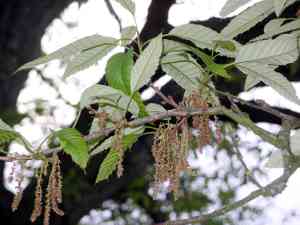
Chinese cork oak (Quercus variabilis)
Also known as: Chinese cork oak, Oriental oak
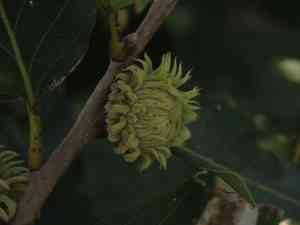
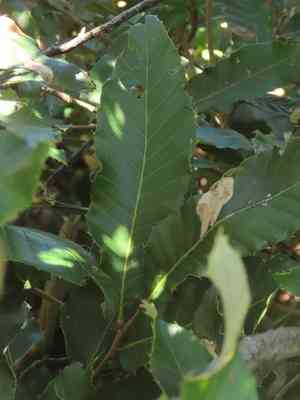
The leaves are single and taper to a point, ranging in size from 8 to 20 cm in length and 2 to 8 cm in width. They have a serrated edge, with each vein finishing in a tiny, hair-like point. The top side of the leaves is green, while the underside is silvery and covered with short, dense hairs. The fruit is a round acorn, 1.5 to 2 cm in diameter, mostly encased in a cup that is densely coated with soft, moss-like bristles measuring 4 to 8 mm in length.
In This Article
Attributes of Chinese cork oak
Lifespan
Perennial
Plant Type
Tree
Plant Height
18 m to 24 m
Spread
18 m to 23 m
Leaf Color
Green White
Flower Size
Not applicable
Flower Color
Yellow Green
Images of Chinese cork oak
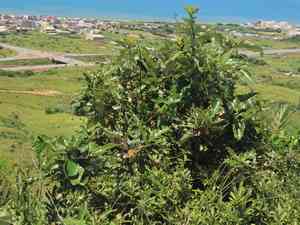
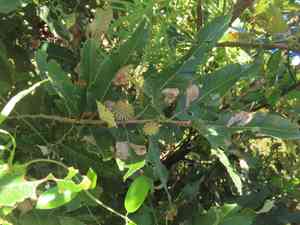
Quickly Identify Chinese cork oak
1
Distinctive cork-like bark, yellowish-gray with deep fissures and sinuous ridges.
2
Leaves are glossy, dark green, serrated, with white pubescence on the underside.
3
Male flowers in drooping catkins, wind-pollinated, female flowers become acorns.
4
Acorns encased in cupule with moss-like bristles, take two years to mature.
5
Robust stature up to 65 feet (20 meters) with dense, rounded canopy.
Scientific Classification of Chinese cork oak
Phylum
Vascular plants
Class
Dicotyledons
Order
Beeches, walnuts, and allied trees
Family
Beech
Genus
Oaks
Species
Chinese cork oak
Planting and Growing of Chinese cork oak
Care Difficulty
Moderate
Watering Schedule
Every 2 days
Sunlight Requirements
Full sun
Sunshine Duration
4-8 hours
Ideal Temperature
50-75℉
Soil Type
Potting Mix, Peat Mix
Soil pH
6.5-7.5
Fertilizer Type
Balanced
Pruning Season
Spring, Summer
Pruning Area
Branches, Leaves
Pruning Frequency
2 times a year
Repotting Season
Spring
Pot Type
Plastic, Ceramic
 How to Water Chinese cork oak?
For Quercus variabilis, a fundamental principle is ensuring the soil is thoroughly moistened without leaving standing water around the roots. This tree prefers less frequent but deep watering sessions to encourage extensive root growth. Applying around 2000 milliliters in one session ensures deep soil penetration vital for the oak's health.
What are the symptoms of an underwatered Chinese cork oak?
›
What should I do if my Chinese cork oak is not getting enough water?
›
What are the symptoms of an overwatered Chinese cork oak?
›
How to save an overwatered Chinese cork oak?
›
 What Are the Sunlight Requirements for Chinese cork oak?
Quercus variabilis thrives in full to partial sun conditions, benefiting from a daily dose of 6 to 8 sunlight hours. Consistent exposure aids in robust growth and disease resistance.
More About Sunlight Requirements Techniques→
What is the best lighting situation for Quercus variabilis?
›
How can you ensure Quercus variabilis gets ideal lighting?
›
What benefits does ideal lighting provide for Quercus variabilis?
›
 What Is the Ideal Temperature Range for Chinese cork oak?
The ideal temperature range for Quercus variabilis, commonly known as the Chinese Cork Oak, is between 50°F and 75°F. This range ensures optimal growth and health by promoting robust leaf and root development. Temperatures in this range facilitate effective metabolic processes including photosynthesis and respiration, necessary for plant vitality.
 What Soil is Best for Chinese cork oak?
Quercus variabilis thrives in nutrient-rich soils, as these provide essential minerals and elements necessary for vigorous growth and a lush foliage. A well-nourished soil ensures the oak's long-term health and resilience against pests and diseases. Ensuring good soil drainage is crucial for Quercus variabilis, as it prevents waterlogging that can lead to root rot. An adequately draining soil allows for proper root aeration, helping the tree to establish a strong root system and absorb nutrients more effectively. While drainage is important, maintaining the right level of moisture is also essential for Quercus variabilis. Soils with balanced moisture retention prevent drought stress, allowing the oak to sustain its vigor and maintain healthy growth throughout its lifespan.
 How to Fertilize Chinese cork oak?
For Quercus variabilis, use a general-purpose granular or liquid fertilizer with a balanced N-P-K ratio such as 10-10-10. Apply liquid fertilizer at a dose recommended on the package, typically diluted in water. Use slow-release fertilizers at about 1/2 pound per inch of trunk diameter annually.
 How to Prune Chinese cork oak?
Start by identifying and removing any dead or diseased branches. These branches are often brittle and can look different in color from the healthy parts of the tree. When shaping Quercus variabilis, aim to maintain a natural look. Remove crossing branches and any that grow inward, as these can restrict airflow and light penetration. Make cuts at a 45-degree angle about a quarter inch above a bud that faces outward. This promotes outward growth and helps maintain the tree's form. Avoid excessive pruning in a single session as it can stress the tree. Limit your cuts to no more than 25% of the tree's branches at one time.
More About Pruning Techniques→
 How to Propagate Chinese cork oak plant?
1
Collect seeds in late autumn and stratify them by placing in a refrigerator for 6-8 weeks before sowing. Once ready, sow seeds in seedling trays filled with a well-draining, nutrient-rich soil mix.
2
In late spring, cut healthy, semi-hardwood branches about 10-15 cm long. Remove lower leaves and dip the cut end in rooting hormone before planting in a moist potting medium.
3
Select healthy rootstock and scion of compatible oak types. Perform grafting in early spring, joining them firmly to allow cambium layers to align and encourage vascular connectivity.
 How to Repot Chinese cork oak plant?
1
Watch for signs like roots growing through drainage holes or the plant becoming top-heavy. These indicate it's time to consider repotting your Quercus variabilis for continued healthy growth and ample space.
2
Choose a pot that's just a couple of inches larger in diameter than the current one. This prevents overwatering and encourages better root development, supporting healthy plant vigor while promoting stability and grounding.
3
Select a well-draining loamy mix. This provides essential nutrients while ensuring excess water can quickly escape, averting root rot and ensuring plant health with balanced moisture retention.



