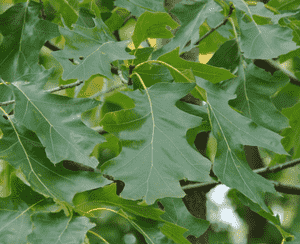
Black oak (Quercus velutina)
Also known as: Quercitron oak
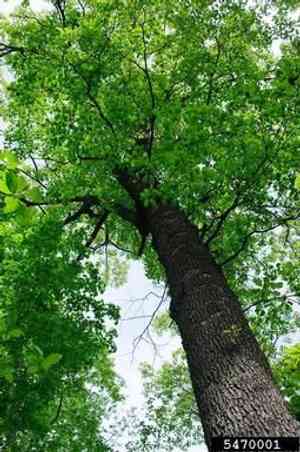
Black oak (Quercus velutina) is a deciduous tree notable for its wide, rounded crown and dark bark. It typically grows on hillsides, slopes, and ridges across eastern North America. This species is also known for its ability to hybridize with other oak species in the Quercus genus.
Attributes of Black oak
Images of Black oak
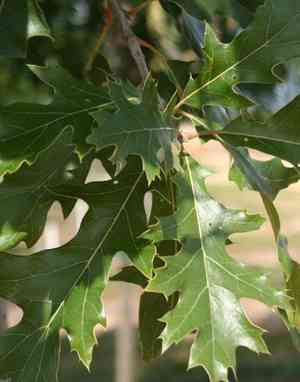
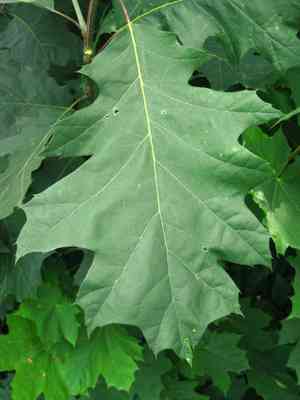
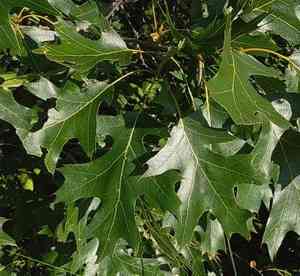
Quickly Identify Black oak
Scientific Classification of Black oak
Planting and Growing of Black oak
 How to Water Black oak?
 What Are the Sunlight Requirements for Black oak?
 What Is the Ideal Temperature Range for Black oak?
 What Soil is Best for Black oak?
 How to Fertilize Black oak?
 How to Prune Black oak?
 How to Propagate Black oak plant?
 How to Repot Black oak plant?
Toxicity of Black oak
Is Black oak toxic to humans?
In conjunction with other species belonging to the *Quercus* (oak) genus, black oak possesses toxic characteristics that can lead to adverse effects in humans upon consumption. The repercussions of ingesting this plant can vary from mild to moderate severity, primarily due to the tannins found in its young leaves and acorns. Common symptoms include stomach pain, constipation, diarrhea, increased urination, and intense thirst. In severe cases, the tannins may result in damage to the liver or gastrointestinal system. Given their prevalence in parks and gardens, these trees are readily accessible. Consequently, children may encounter the leaves or fallen acorns and consume them without realizing their toxic properties.
Is Black oak toxic to cat?
The black oak is a plant that poses mild toxicity to cats. Cats may become poisoned mainly by consuming significant quantities of the plant's leaves or seeds. After ingesting black oak, a cat may exhibit symptoms of physical discomfort or sickness, which will require immediate medical intervention from a veterinary clinic to safeguard their health and reduce possible adverse effects. If a cat owner suspects their animal has consumed black oak, it is essential to monitor the pet for any indications of distress and to obtain veterinary assistance without hesitation.
Is Black oak toxic to dog?
The black oak presents a mild toxicity hazard to dogs. If canines ingest large quantities of its leaves or seeds, they may experience poisoning. The symptoms can differ, but commonly include gastrointestinal disturbances, such as vomiting or diarrhea; in more serious situations, more critical health issues may arise. Should you suspect that your dog has consumed any parts of the black oak, it is crucial to seek prompt veterinary attention to secure the best possible outcome for your pet.



