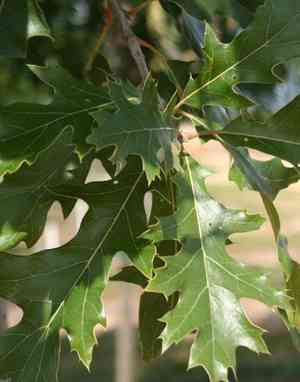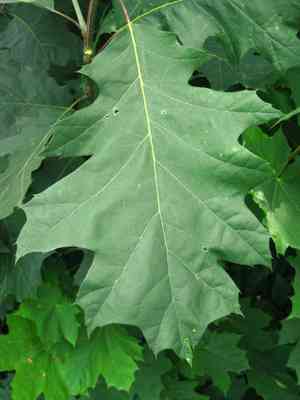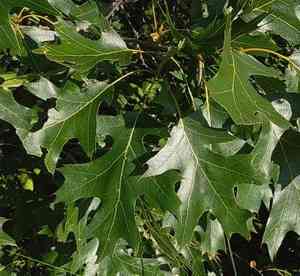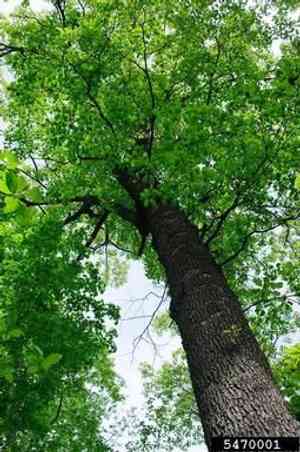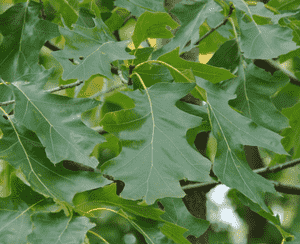
Black oak(Quercus velutina)

Black oak (Quercus velutina)

Also known as: Quercitron oak

Black oak (Quercus velutina) is a deciduous tree notable for its wide, rounded crown and dark bark. It typically grows on hillsides, slopes, and ridges across eastern North America. This species is also known for its ability to hybridize with other oak species in the Quercus genus.

Attributes of Black oak

Lifespan
Perennial
Plant Type
Tree
Plant Height
20 m to 25 m
Spread
6 m to 18 m
Leaf Color
Green Red Brown Yellow
Flower Size
N/A
Flower Color
Yellow Green

PlantJoy - Identify plants with a snap

Identify and diagnose plants, get toxicity alerts, and explore safety guides for all types of fungi.

Try for Free

Images of Black oak

Black oak(Quercus velutina)

Quickly Identify Black oak

1
Velvety texture on young leaves due to fine hairs
2
Distinctive acorns with a cap featuring loosely arranged scales
3
Male flowers in pendent, slender catkins; wind-pollinated
4
Gray twigs with white lenticels; terminal buds covered in gray hairs
5
Starkly contrasting bark with dark outer layer and yellow inner bark

Scientific Classification of Black oak

Phylum
Vascular plants
Class
Dicotyledons
Order
Fagales
Family
Beech
Genus
Oaks
Species
Black oak

Planting and Growing of Black oak

Care Difficulty
Easy
Watering Schedule
Every 2 days
Sunlight Requirements
Full sun
Sunshine Duration
6-10 hours
Ideal Temperature
60-75℉
Soil Type
Potting Mix, Peat Mix
Soil pH
4.5-6.5
Fertilizer Type
Balanced
Pruning Season
Spring, Summer
Pruning Area
Branches, Leaves
Pruning Frequency
2 times a year
Repotting Season
Spring
Pot Type
Plastic, Ceramic

water icon How to Water Black oak?

For Quercus velutina, the watering amount should be substantial, around 1000 milliliters per session. It's crucial to ensure the soil is consistently moist but not waterlogged. The principle is to water deeply so that the moisture reaches the root zone, promoting healthy root growth.
What are the symptoms of an underwatered Black oak?
What should I do if my Black oak is not getting enough water?
What are the symptoms of an overwatered Black oak?
How to save an overwatered Black oak?

sunlight icon What Are the Sunlight Requirements for Black oak?

Sunlight Requirements: Full sun, Partial sun
Duration of light: 4 to 6 hours
Quercus velutina thrives in full sun to partial sun environments, benefiting from full coverage during the morning and late afternoon. This exposure ensures strong growth, maximized photosynthesis, and a dense canopy.
What is the best location for Quercus velutina?
How to provide consistent light exposure to Quercus velutina?
What happens if Quercus velutina gets ideal light?

temperature icon What Is the Ideal Temperature Range for Black oak?

Ideal Temperature: 60 ~ 75℉
The ideal temperature range for Quercus velutina, between 60°F and 75°F, is crucial for optimal growth. Within this range, the plant can efficiently carry out photosynthesis, ensuring robust health and vitality. Consistent temperatures in this range also help in nutrient uptake and prevent stress-related issues.

soil icon What Soil is Best for Black oak?

Soil type: Loam, Sandy loam, Acidic soil
Soil PH: 4.5 ~ 6.5
Quercus velutina thrives best in well-drained soils as it prevents root rot and diseases. Good drainage ensures the roots remain healthy and can breathe, promoting optimal growth and resilience. This species benefits from nutrient-rich soil, which provides essential minerals and organic matter. This boosts its growth rate, enhances leaf coloration, and supports overall plant health. Although it prefers well-drained soils, moisture retention is vital during dry seasons. A balanced moisture content ensures the plant remains hydrated without waterlogging, leading to better survival rates.

fertilize icon How to Fertilize Black oak?

Fertilizer type: Balanced
When applying fertilizer to Quercus velutina, use approximately 1 pound of a balanced 10-10-10 fertilizer per inch of trunk diameter. Spread the fertilizer evenly beneath the tree's canopy, but avoid applying it directly against the trunk to prevent root damage.

prune icon How to Prune Black oak?

Pruning Time: Spring, Summer, Autumn
Begin by identifying dead, diseased, or damaged branches. These should be removed first to ensure the tree can direct its resources to healthy growth. Shape the tree by selecting a dominant leader and maintaining an even canopy. This helps with wind resistance and allows sunlight to reach the inner branches. Thinning the canopy by removing branches growing inward or crossing each other can enhance air circulation. This deters fungal growth and improves the tree's health.

propagate icon How to Propagate Black oak plant?

Propagate Time: Autumn, Early spring
1
Gather mature acorns from healthy Quercus velutina trees in autumn. Look for seeds that are brown and free from shell damage, as these indicate ripeness and readiness for propagation.
2
Acorns require a period of cold stratification to break dormancy. This can be done by placing them in a refrigerator in a moistened peat or sand mixture for about 30-60 days.
3
After stratification, plant the acorns in the seed starting tray filled with potting soil. Ensure they are buried about an inch deep. Water regularly to keep the soil moist.

repot icon How to Repot Black oak plant?

Repotting frequency: Every 2-4 years
1
You know it's time to repot your Quercus velutina when you notice roots coming out of the drainage holes or the soil dries out too quickly after watering. The ideal period for repotting is early spring or autumn when the plant is in active growth. These seasons provide a gentle climate that helps the tree acclimate to its new pot with minimal stress.
2
Select a pot that is at least 2 inches wider in diameter than the current one. Ensure it has ample drainage holes to allow excess water to escape, which prevents root rot and ensures the roots have enough space to grow. The size increase helps the plant grow steadily without overextending its root system too quickly.
3
Use an acidic, well-draining soil mix for repotting Quercus velutina. This type of soil mimics the plant's natural habitat, enhances root growth, and maintains necessary moisture levels without becoming water-logged. The right soil mix also prevents nutrient depletion, promoting healthy foliage growth.

PlantJoy - Identify plants with a snap

Find the best spots for them to optimize their health, simply using your phone.

Try for Free

Toxicity of Black oak

Is Black oak toxic to humans?

In conjunction with other species belonging to the *Quercus* (oak) genus, black oak possesses toxic characteristics that can lead to adverse effects in humans upon consumption. The repercussions of ingesting this plant can vary from mild to moderate severity, primarily due to the tannins found in its young leaves and acorns. Common symptoms include stomach pain, constipation, diarrhea, increased urination, and intense thirst. In severe cases, the tannins may result in damage to the liver or gastrointestinal system. Given their prevalence in parks and gardens, these trees are readily accessible. Consequently, children may encounter the leaves or fallen acorns and consume them without realizing their toxic properties.

Is Black oak toxic to cat?

The black oak is a plant that poses mild toxicity to cats. Cats may become poisoned mainly by consuming significant quantities of the plant's leaves or seeds. After ingesting black oak, a cat may exhibit symptoms of physical discomfort or sickness, which will require immediate medical intervention from a veterinary clinic to safeguard their health and reduce possible adverse effects. If a cat owner suspects their animal has consumed black oak, it is essential to monitor the pet for any indications of distress and to obtain veterinary assistance without hesitation.

Is Black oak toxic to dog?

The black oak presents a mild toxicity hazard to dogs. If canines ingest large quantities of its leaves or seeds, they may experience poisoning. The symptoms can differ, but commonly include gastrointestinal disturbances, such as vomiting or diarrhea; in more serious situations, more critical health issues may arise. Should you suspect that your dog has consumed any parts of the black oak, it is crucial to seek prompt veterinary attention to secure the best possible outcome for your pet.

Identify toxic plants for your safety

Learn which plants are harmful to you and your pets, and make informed choices for a safer home!

Try for Free
WARNING
The judgment on toxicity and danger is for reference only. We DO NOT GUARANTEE any accuracy of such judgment. Therefore, you SHALL NOT rely on such judgment. It is IMPORTANT TO SEEK PROFESSIONAL ADVICE in advance when necessary.