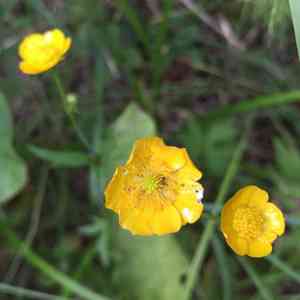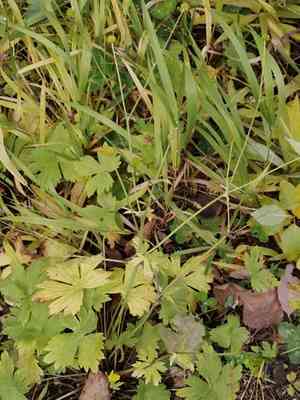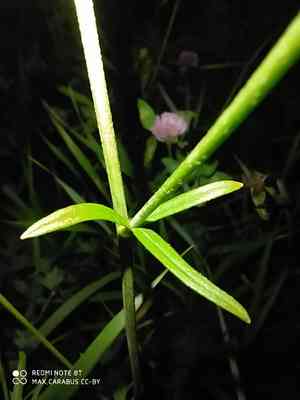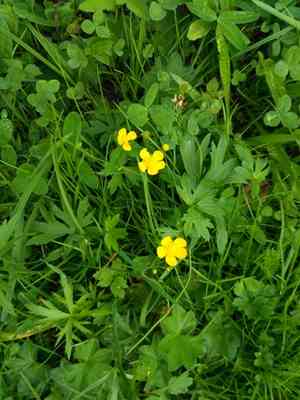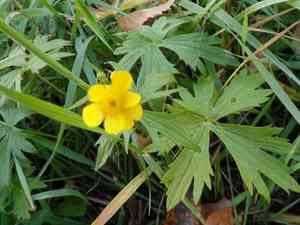
Meadow buttercup(Ranunculus acris)

Meadow buttercup (Ranunculus acris)

Also known as: Tall buttercup, Meadowbloom

Ragwort (Senecio jacobaea) is a flowering plant indigenous to Europe. Recognized for its vibrant yellow blossoms, it is known by various nicknames, including St. James-wort and Tansy Ragwort. This plant is moderately toxic to both humans and livestock due to the presence of pyrrolizidine alkaloids.

Attributes of Meadow buttercup

Lifespan
Perennial, Annual
Plant Type
Herb
Plant Height
30 cm to 1.1 m
Spread
10 cm to 50 cm
Leaf Color
Green
Flower Size
1 cm to 2.5 cm
Flower Color
Yellow

PlantJoy - Identify plants with a snap

Identify and diagnose plants, get toxicity alerts, and explore safety guides for all types of fungi.

Try for Free

Images of Meadow buttercup

Meadow buttercup(Ranunculus acris)

Quickly Identify Meadow buttercup

1
Bright green leaves with serrated edges
2
Basal rosette growth
3
Yellow flowers with five glossy petals
4
Slender branching stems
5
Small green sepals below petals

Scientific Classification of Meadow buttercup

Phylum
Vascular plants
Class
Dicotyledons
Order
Ranunculales
Family
Buttercup
Genus
Ranunculus
Species
Meadow buttercup

Planting and Growing of Meadow buttercup

Care Difficulty
Easy
Watering Schedule
Every 8 days
Sunlight Requirements
Full sun
Sunshine Duration
6-12 hours
Ideal Temperature
59-68℉
Soil Type
Potting Mix, Peat Mix
Soil pH
5-8
Fertilizer Type
Balanced
Pruning Season
Spring, Summer
Pruning Area
Branches, Leaves
Pruning Frequency
2 times a year
Repotting Season
Spring
Pot Type
Plastic, Ceramic

water icon How to Water Meadow buttercup?

When watering Ranunculus acris, it's important to ensure that the soil remains consistently moist but not waterlogged. Aim to provide about 200 ml of water per session, enough to penetrate the soil but allowing excess to drain away. This plant enjoys a generous drink, mirroring its natural habitat in moist meadows.
What are the symptoms of an underwatered Meadow buttercup?
What should I do if my Meadow buttercup is not getting enough water?
What are the symptoms of an overwatered Meadow buttercup?
How to save an overwatered Meadow buttercup?

sunlight icon What Are the Sunlight Requirements for Meadow buttercup?

Sunlight Requirements: Full sun, Partial sun
Duration of light: 4 to 6 hours
Ranunculus acris prefers an ideal light condition of full sun to partial sun, receiving 4-6 hours of sunlight daily. Adequate lighting enhances its blooming capacity, flower quality, and overall health, contributing to a vibrant garden appearance.
What is the ideal lighting location for Ranunculus acris?
How can I ensure Ranunculus acris receives optimal sunlight?
What are the benefits of providing ideal lighting for Ranunculus acris?

temperature icon What Is the Ideal Temperature Range for Meadow buttercup?

Ideal Temperature: 59 ~ 68℉
Ranunculus acris thrives best in temperatures ranging from 59°F to 68°F. This range offers optimal conditions for growth and ensures the plant's processes, such as photosynthesis and respiration, function efficiently.

soil icon What Soil is Best for Meadow buttercup?

Soil type: Loam, Sandy loam
Soil PH: 5 ~ 8
Ranunculus acris thrives in well-drained soils. This prevents waterlogging, which can lead to root rot. A well-drained soil ensures that oxygen and nutrients reach the roots effectively, promoting healthy growth and vibrant blooms. The plant benefits from nutrient-dense soil that provides essential nutrients for growth. A fertile substrate supports the development of lush foliage and abundant flowering, enhancing the plant's ornamental appeal. While drainage is essential, the soil should retain moderate moisture to support the plant's hydration needs. This balance helps avoid stress from drought conditions and supports consistent growth.

fertilize icon How to Fertilize Meadow buttercup?

Fertilizer type: Balanced
Ranunculus acris benefits from a balanced approach to fertilization. Applying 10-20 grams of a balanced 10-10-10 or 20-10-20 NPK fertilizer per square meter is often adequate. The goal is to provide essential nutrients without overwhelming the plant, ensuring healthy foliage and vibrant blooms.

prune icon How to Prune Meadow buttercup?

Pruning Time: Spring, Summer
Begin by identifying the dead or wilted foliage and flowers. Use a sharp pair of pruning shears to make clean cuts close to the base of these stems. Avoid cutting too closely to the main stem to prevent damage. Also, thin out dense areas to improve air circulation and remove any parts that appear diseased or unhealthy. After pruning, ensure the plant is watered thoroughly but do not overwater. Fertilize with an all-purpose plant food to promote recovery and growth. Also, check for pests and diseases that might have been hidden among dense foliage as the thinning process can help in early detection and treatment.

propagate icon How to Propagate Meadow buttercup plant?

Propagate Time: Spring, Early spring, Late spring
1
After flowering, allow the seed heads to dry on the plant in late summer. Collect the seeds by shaking them into a paper bag or container, ensuring they are completely dry before storage to prevent mold growth.
2
Use a light, well-draining soil mixture ideal for starting seeds or transplanting divisions. Incorporate compost or peat to improve soil structure, which aids in root development and nutrient uptake.
3
In early spring, dig up a mature plant and divide its root clump with a garden fork or spade, making sure each section has roots and shoot buds. Plant these divisions in prepared soil immediately to prevent root drying.

repot icon How to Repot Meadow buttercup plant?

Repotting frequency: Every 2-3 years
1
Ranunculus acris typically signals the need for repotting when its roots begin to outgrow the current pot, emerging through drainage holes or forming a dense mat at the surface. The best timing for repotting these buttercups is during their dormancy or right after blooming, allowing them to recover and establish in their new environment before the next growth spurt.
2
Choosing the right pot for Ranunculus acris involves ensuring ample drainage and space for root expansion. Opt for a pot that's one size larger than the current one, made of breathable material like terracotta. This ensures that excess moisture escapes and roots access oxygen, preventing waterlogged soil and root rot.
3
Selecting the appropriate soil for Ranunculus acris involves a blend that facilitates drainage and retains essential moisture. A loamy, well-draining mixture that's enriched with organic matter provides a perfect balance. This soil standard supports the plant's nutrient uptake and prevents water from stagnating, thus averting root damage.

PlantJoy - Identify plants with a snap

Find the best spots for them to optimize their health, simply using your phone.

Try for Free

Toxicity of Meadow buttercup

Is Meadow buttercup toxic to humans?

Meadow buttercup possesses a toxic oil within the sap found in its leaves and stem; exposure to this plant can lead to poisoning, particularly through direct handling or inadvertent consumption of its raw parts. If leaves and stems are ingested in their uncooked state, it may result in mild to moderate toxicity, producing symptoms such as abdominal pain, irritation, and blistering of both the mouth and the digestive tract. Additionally, contact with its sap from handling may induce an itchy, red rash on the skin known as dermatitis. While meadow buttercup can be mistaken for other similar-looking species, it is essential to note that all members of the Ranunculus genus are toxic.

Is Meadow buttercup toxic to cat?

The oils present throughout the entire meadow buttercup (Ranunculus acris) plant pose a moderate to severe toxicity risk to cats that ingest or merely chew on its leaves. Common signs of meadow buttercup poisoning include irritation or blistering in the mouth or throat, decreased appetite, trouble swallowing, diarrhea, vomiting, excessive drooling, and minor loss of coordination. Since meadow buttercups are frequently used in floral arrangements, exercise caution when choosing bouquets. If your cat exhibits severe illness after exposure to any species in the buttercup family, contact your veterinarian promptly.

Is Meadow buttercup toxic to dog?

Meadow buttercup presents a mild to moderate toxicity risk to dogs. When a dog's skin comes into contact with any damaged or crushed portions of the buttercup (for instance, through rolling in them), they may suffer from itching, blistering, or rashes. Consuming any part of this plant can result in more severe reactions. The symptoms associated with meadow buttercup poisoning are diverse and can include vomiting, diarrhea, a decreased appetite, excessive drooling, weakness, and an uncoordinated or wobbly gait. While severe cases are rare—requiring a substantial amount of the plant to be ingested—vigilance is necessary for extreme symptoms like spasms, paralysis, or jaundice, in which case prompt veterinary care should be sought.

Identify toxic plants for your safety

Learn which plants are harmful to you and your pets, and make informed choices for a safer home!

Try for Free
WARNING
The judgment on toxicity and danger is for reference only. We DO NOT GUARANTEE any accuracy of such judgment. Therefore, you SHALL NOT rely on such judgment. It is IMPORTANT TO SEEK PROFESSIONAL ADVICE in advance when necessary.
More About Toxic Techniques