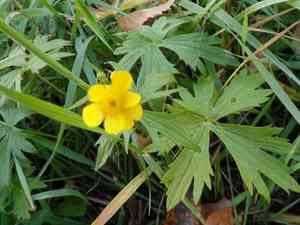
Meadow buttercup (Ranunculus acris)
Also known as: Tall buttercup, Meadowbloom
Ragwort (Senecio jacobaea) is a flowering plant indigenous to Europe. Recognized for its vibrant yellow blossoms, it is known by various nicknames, including St. James-wort and Tansy Ragwort. This plant is moderately toxic to both humans and livestock due to the presence of pyrrolizidine alkaloids.
Attributes of Meadow buttercup
Images of Meadow buttercup
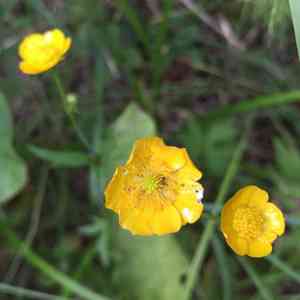
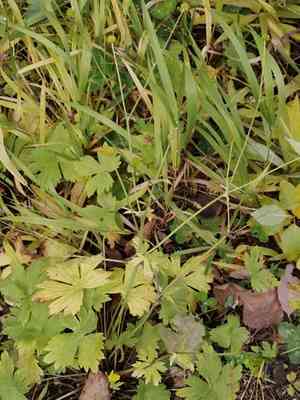
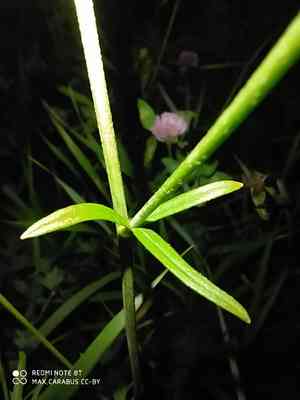
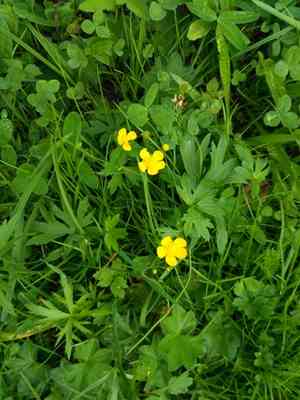
Quickly Identify Meadow buttercup
Scientific Classification of Meadow buttercup
Planting and Growing of Meadow buttercup
 How to Water Meadow buttercup?
 What Are the Sunlight Requirements for Meadow buttercup?
 What Is the Ideal Temperature Range for Meadow buttercup?
 What Soil is Best for Meadow buttercup?
 How to Fertilize Meadow buttercup?
 How to Prune Meadow buttercup?
 How to Propagate Meadow buttercup plant?
 How to Repot Meadow buttercup plant?
Toxicity of Meadow buttercup
Is Meadow buttercup toxic to humans?
Meadow buttercup possesses a toxic oil within the sap found in its leaves and stem; exposure to this plant can lead to poisoning, particularly through direct handling or inadvertent consumption of its raw parts. If leaves and stems are ingested in their uncooked state, it may result in mild to moderate toxicity, producing symptoms such as abdominal pain, irritation, and blistering of both the mouth and the digestive tract. Additionally, contact with its sap from handling may induce an itchy, red rash on the skin known as dermatitis. While meadow buttercup can be mistaken for other similar-looking species, it is essential to note that all members of the Ranunculus genus are toxic.
Is Meadow buttercup toxic to cat?
The oils present throughout the entire meadow buttercup (Ranunculus acris) plant pose a moderate to severe toxicity risk to cats that ingest or merely chew on its leaves. Common signs of meadow buttercup poisoning include irritation or blistering in the mouth or throat, decreased appetite, trouble swallowing, diarrhea, vomiting, excessive drooling, and minor loss of coordination. Since meadow buttercups are frequently used in floral arrangements, exercise caution when choosing bouquets. If your cat exhibits severe illness after exposure to any species in the buttercup family, contact your veterinarian promptly.
Is Meadow buttercup toxic to dog?
Meadow buttercup presents a mild to moderate toxicity risk to dogs. When a dog's skin comes into contact with any damaged or crushed portions of the buttercup (for instance, through rolling in them), they may suffer from itching, blistering, or rashes. Consuming any part of this plant can result in more severe reactions. The symptoms associated with meadow buttercup poisoning are diverse and can include vomiting, diarrhea, a decreased appetite, excessive drooling, weakness, and an uncoordinated or wobbly gait. While severe cases are rare—requiring a substantial amount of the plant to be ingested—vigilance is necessary for extreme symptoms like spasms, paralysis, or jaundice, in which case prompt veterinary care should be sought.



