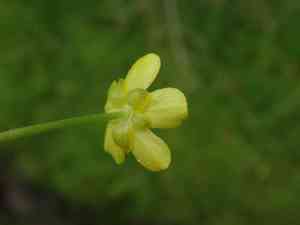
Greater creeping spearwort (Ranunculus flammula)
Also known as: Spearwort
The perennial plant known as Ranunculus flammula, or greater creeping spearwort, is toxic and thrives in moist environments, producing yellow blossoms. The species name, *flammula*, resembles the Latin word *flamma*, meaning flame, possibly alluding to its potent toxicity.
Attributes of Greater creeping spearwort
Images of Greater creeping spearwort
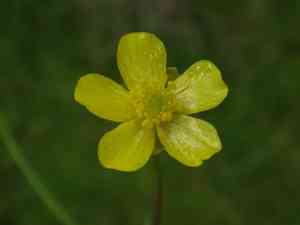
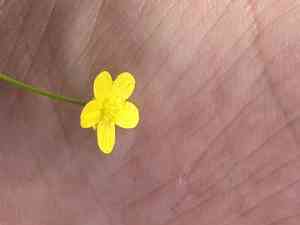
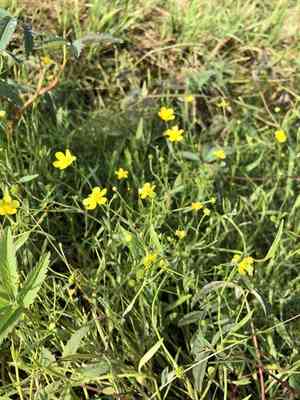
Quickly Identify Greater creeping spearwort
Scientific Classification of Greater creeping spearwort
Planting and Growing of Greater creeping spearwort
 How to Water Greater creeping spearwort?
 What Are the Sunlight Requirements for Greater creeping spearwort?
 What Is the Ideal Temperature Range for Greater creeping spearwort?
 What Soil is Best for Greater creeping spearwort?
 How to Fertilize Greater creeping spearwort?
 How to Prune Greater creeping spearwort?
 How to Propagate Greater creeping spearwort plant?
 How to Repot Greater creeping spearwort plant?
Toxicity of Greater creeping spearwort
Is Greater creeping spearwort toxic to humans?
The greater creeping spearwort is recognized as a toxic plant exhibiting low to moderate levels of toxicity. Ingesting the plant can lead to moderate to severe poisoning, while merely touching it may result in contact dermatitis. All parts of the plant, including its sap, are toxic due to the presence of an oily glycoside known as ranunculin, which transforms into protoanemonin in the human body—this chemical functions as an irritant. When consumed, the plant induces a painful burning sensation in the mouth, lips, and tongue. Additional symptoms of poisoning can include excessive salivation, unsteady movements, and gastrointestinal disturbances, such as nausea, (bloody) diarrhea, colic, and vomiting. Contact with the sap causes skin irritation manifesting as redness, blisters, itching, and swelling.



