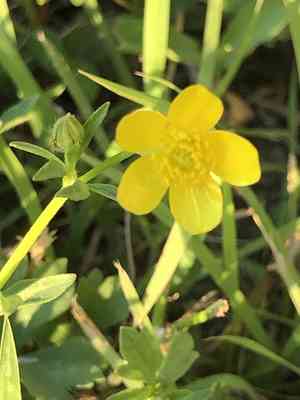
Hairy buttercup(Ranunculus sardous)

Hairy buttercup (Ranunculus sardous)

Also known as: Corn Buttercup, Hairy Buttercup

Hairy buttercup (Ranunculus sardous) originates from Europe and North Africa, including the Canary Islands. Over time, it has spread globally, largely due to human activities such as farming and international trade. This weed, recognizable by its hairy stems and leaves, often invades pastures, fields, and roadsides. Its yellow flowers are now a common sight in many temperate regions across the world, including North America, Australia, and New Zealand.

Attributes of Hairy buttercup

Lifespan
Annual, Biennial, Perennial
Plant Type
Herb
Plant Height
40 cm
Spread
8 cm to 20 cm
Leaf Color
Green Blue
Flower Size
2.5 cm
Flower Color
Yellow Gold

PlantJoy - Identify plants with a snap

Identify and diagnose plants, get toxicity alerts, and explore safety guides for all types of fungi.

Try for Free

Images of Hairy buttercup

Hairy buttercup(Ranunculus sardous)

Quickly Identify Hairy buttercup

1
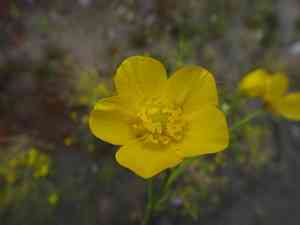
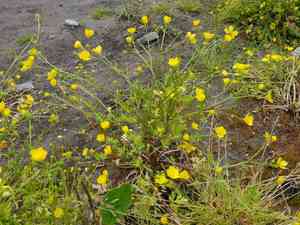
Vibrant yellow flowers atop thin stems up to 12 inches tall.
2
Three-lobed medium green leaves with a unique hairy texture.
3
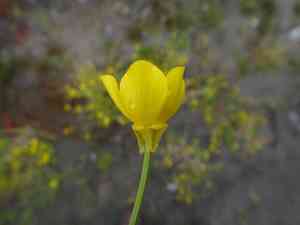
Radially symmetrical cup-shaped glossy yellow flowers with reflexed sepals.
4
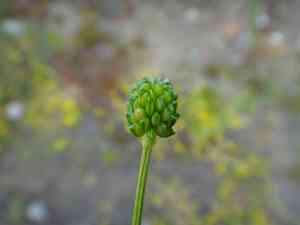
Fruit consisting of small, dry, closed achenes of 2-3 mm length.
5
Hairy green to reddish-brown stems, 0.1-0.2 inches thick, growing up to 2 feet tall.

Scientific Classification of Hairy buttercup

Phylum
Vascular plants
Class
Dicotyledons
Order
Ranunculales
Family
Buttercup
Genus
Ranunculus
Species
Hairy buttercup

Planting and Growing of Hairy buttercup

Care Difficulty
Easy
Watering Schedule
Every 3 days
Sunlight Requirements
Full sun
Sunshine Duration
6-10 hours
Ideal Temperature
59-68℉
Soil Type
Potting Mix, Peat Mix
Soil pH
6-7.5
Fertilizer Type
Balanced
Pruning Season
Spring, Summer
Pruning Area
Branches, Leaves
Pruning Frequency
2 times a year
Repotting Season
Spring
Pot Type
Plastic, Ceramic

water icon How to Water Hairy buttercup?

For Ranunculus sardous, the goal is to keep the soil consistently moist but not waterlogged. About 200 ml per session should suffice, ensuring that water penetrates the soil adequately without making it soggy. It's essential to allow the soil to dry slightly on the surface between waterings.
What are the symptoms of an underwatered Hairy buttercup?
What should I do if my Hairy buttercup is not getting enough water?
What are the symptoms of an overwatered Hairy buttercup?
How to save an overwatered Hairy buttercup?

sunlight icon What Are the Sunlight Requirements for Hairy buttercup?

Sunlight Requirements: Full sun, Partial sun
Duration of light: 4-6 hours daily
Part shade to full sun provides balanced growth and flowering, allowing the plant to utilize optimal photosynthesis, leading to lush foliage and dynamic blossoming.
Solution for Ideal Lighting
How to Execute Ideal Light Conditions
Benefits of Ideal Lighting

temperature icon What Is the Ideal Temperature Range for Hairy buttercup?

Ideal Temperature: 59 ~ 68℉
The ideal temperature range for Ranunculus sardous growth is between 59°F and 68°F. These temperatures allow the plant to photosynthesize efficiently and ensure optimal metabolic processes, which results in healthy foliage and blooms. Maintaining a stable environment within this range provides the best conditions for growth without stress or damage.

soil icon What Soil is Best for Hairy buttercup?

Soil type: Sandy soil, Loam, Clay soil
Soil PH: 6 ~ 7.5
Ranunculus sardous thrives in well-drained soil, as it prevents waterlogging that can lead to root rot. Ensuring good drainage keeps the roots healthy and supports vigorous plant growth. This plant benefits from soil that's rich in nutrients, which can be provided by organic matter like compost. Nutrient-rich soil promotes healthier blooms and more robust foliage. While it loves well-drained conditions, the soil should also retain moisture to some extent to keep the plant hydrated. Balance is key to preventing stress from over-drying.

fertilize icon How to Fertilize Hairy buttercup?

Fertilizer type: Balanced
For Ranunculus sardous, it's essential to apply fertilizer in moderation. Use half the recommended amount on the label for liquid fertilizers, typically around 10-15 ml per liter of water. For slow-release fertilizers, about 20 grams per plant should suffice.

prune icon How to Prune Hairy buttercup?

Pruning Time: Spring
Begin your pruning by identifying and removing any dead or damaged stems and leaves. This allows the plant to focus energy on healthier growth. Position your cuts just above a healthy node or bud to encourage new development. Trim the plant systematically to maintain its desired shape and size. This involves cutting back overgrown stems to ensure all parts of the plant receive adequate sunlight and airflow, which is crucial for its overall health.

propagate icon How to Propagate Hairy buttercup plant?

Propagate Time: Spring, Early Spring
1
Fill the seed tray with the potting mix, leaving about a centimeter from the top. Gently flatten the surface and water it thoroughly to ensure the soil is consistently moist. This establishes an optimal substrate for seed placement.
2
Scatter the Ranunculus sardous seeds evenly over the potting mix. Cover them lightly with a thin layer of soil. Press down gently to ensure contact between seeds and soil, which aids in successful germination.
3
Mist the surface lightly to avoid displacing seeds. Place the tray in a warm spot with indirect sunlight. Maintain consistent moisture levels by misting daily, avoiding waterlogging, as excessive water can hinder germination.

repot icon How to Repot Hairy buttercup plant?

Repotting frequency: Every 1-2 years
1
Repot Ranunculus sardous when you notice the roots are circling the pot or emerging from the drainage holes. Early spring is ideal as it provides a full growing season for root establishment. Look for yellowing leaves or stunted growth, as these are indicators that the plant requires more room to flourish.
2
Pick a container that is one size larger than the current one with drainage holes. Ceramic or plastic are good options, but make sure there's enough room for root expansion. A well-chosen pot ensures optimal drainage and prevents root rot, contributing to robust plant health.
3
Opt for a rich, loamy soil that offers adequate drainage. Incorporate organic matter to enhance nutrient content. Proper soil selection is crucial as it supports the plant's nutritional needs and prevents waterlogging, facilitating healthy growth.

PlantJoy - Identify plants with a snap

Find the best spots for them to optimize their health, simply using your phone.

Try for Free

Toxicity of Hairy buttercup

Is Hairy buttercup toxic to humans?

The hairy buttercup exhibits moderate toxicity when consumed, leading to varying degrees of illness that range from mild to moderate. Contact with the plant may also result in dermatitis. This toxicity arises from the presence of protoanemonin, which is distributed in all sections of the plant, with the highest concentrations found in the leaves and stems. Individuals poisoned by hairy buttercup may experience symptoms such as vomiting, bloody diarrhea, loss of appetite, depression, excessive salivation, colic, mouth ulcers, unsteady coordination, and blistering of the mucous membranes and oral cavity. This plant is frequently found in wooded regions, pastures, and hayfields, and caution is advisable when in these areas.

Is Hairy buttercup toxic to cat?

The hairy buttercup plant displays a moderate degree of toxicity for cats and poses a risk if any segment of it is consumed. Ingesting the plant can lead to poisoning in cats, resulting in physical distress, which may present as gastrointestinal disturbances or various illness-related indicators. It is essential for cat owners to remain alert and keep their pets away from hairy buttercup. If poisoning is suspected, seeking prompt veterinary care is critical to safeguard the affected cat's health and wellbeing.

Is Hairy buttercup toxic to dog?

The hairy buttercup presents a moderate toxicity risk to dogs. Ingestion of any part of this plant can be harmful. Dogs often become poisoned when they chew or swallow parts of hairy buttercup during their curious explorations or while inadvertently consuming it as they roam outside. The symptoms of poisoning in dogs may include gastrointestinal disturbances such as vomiting and diarrhea, with potentially more severe reactions depending on the quantity ingested. Therefore, it is vital for dog owners to closely observe their pets and restrict access to hairy buttercup. Should a dog ingest any portion of this plant, immediate veterinary care is essential to effectively manage symptoms and safeguard the health and well-being of the animal.

Identify toxic plants for your safety

Learn which plants are harmful to you and your pets, and make informed choices for a safer home!

Try for Free
WARNING
The judgment on toxicity and danger is for reference only. We DO NOT GUARANTEE any accuracy of such judgment. Therefore, you SHALL NOT rely on such judgment. It is IMPORTANT TO SEEK PROFESSIONAL ADVICE in advance when necessary.