
Majestic palm (Ravenea rivularis)
Also known as: Majesty Palm
In its native habitat of Madagascar, the Majestic palm (Ravenea rivularis) can reach impressive heights of up to 30 meters (98 feet). However, when cultivated in a container or garden, this tropical palm typically grows between 4.5 to 6 meters tall. For indoor growth, it thrives in bright, indirect light and high humidity. Regular misting is essential, particularly during the winter months, to prevent the plant from drying out.
In This Article
Attributes of Majestic palm
Lifespan
Perennial
Plant Type
Tree
Plant Height
15 m
Spread
5 m
Leaf Color
Green
Flower Size
2.5 cm
Flower Color
White Yellow Cream
Images of Majestic palm
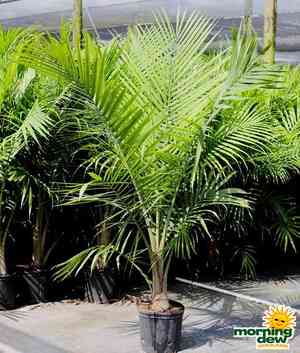
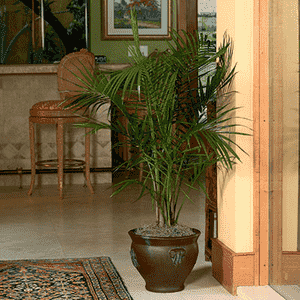


Quickly Identify Majestic palm
1
Pinnate leaves up to 8-10 feet (2.4-3 meters) long.
2
Smooth, columnar trunk reaching 12-20 feet (3.6-6 meters) tall.
3
Slender, arching leaflet blades creating a feathery appearance.
4
Prefers bright, indirect sunlight and high moisture levels.
Scientific Classification of Majestic palm
Phylum
Vascular plants
Class
Monocotyledons
Order
Palms, bullanocks, and allies
Family
Palm
Genus
Ravenea
Species
Majestic palm
Planting and Growing of Majestic palm
Care Difficulty
Hard
Watering Schedule
Every 3 days
Sunlight Requirements
Partial sun
Sunshine Duration
6-12 hours
Ideal Temperature
65-75℉
Soil Type
Potting Mix, Peat Mix
Soil pH
6-7.5
Fertilizer Type
Balanced
Pruning Season
Spring, Summer
Pruning Area
Branches, Leaves
Pruning Frequency
2 times a year
Repotting Season
Spring
Pot Type
Plastic, Ceramic
 How to Water Majestic palm?
For Ravenea rivularis, or the majesty palm, a general rule is to water until the soil feels moist about an inch down without becoming waterlogged. Each watering session should involve approximately 1000 milliliters of water, depending on the pot size and environmental conditions. Always ensure that excess water can freely drain from the pot to prevent root rot.
What are the symptoms of an underwatered Majestic palm?
›
What should I do if my Majestic palm is not getting enough water?
›
What are the symptoms of an overwatered Majestic palm?
›
How to save an overwatered Majestic palm?
›
 What Are the Sunlight Requirements for Majestic palm?
Ravenea rivularis thrives in partial sun, ideally suited for a spot with filtered sunlight. This environment helps maintain leaf health, supports regular growth, and enhances overall plant vitality.
More About Sunlight Requirements Techniques→
What is the ideal type of light?
›
What are the solutions to achieving ideal lighting?
›
What are the benefits of ideal lighting conditions?
›
 What Is the Ideal Temperature Range for Majestic palm?
The ideal temperature range for cultivating Ravenea rivularis is between 65°F and 75°F. This range provides the palm with the warmth it needs for photosynthesis, metabolism, and growth without risk of heat stress. In this range, the plant is likely to thrive as these temperatures emulate its native tropical climate.
 What Soil is Best for Majestic palm?
Ravenea rivularis thrives in well-drained soils as it prevents waterlogging, which can lead to root rot. Proper drainage ensures that the roots receive adequate oxygen and nutrients, promoting healthy growth. This plant benefits from soil with moderate fertility, which supplies essential nutrients without overwhelming the root system. Balanced fertility supports lush foliage and robust growth typical of healthy Majesty Palms. The soil should retain some moisture without becoming soggy. This is crucial for maintaining hydration, especially in indoor settings where natural rainfall isn't present, supporting the plant's tropical nature.
 How to Fertilize Majestic palm?
Ravenea rivularis requires proper fertilization to thrive. Use a balanced, water-soluble fertilizer at half-strength when applying liquid fertilizers. For slow-release fertilizers, apply according to the product's instructions, typically ¼ cup per application around the plant base.
 How to Prune Majestic palm?
Begin by identifying dead or dying fronds and carefully remove them close to the trunk without damaging it. Trim away any brown tips on otherwise healthy fronds to maintain a neat appearance. Be cautious not to cut too close to the trunk, as this can harm the growing point of the palm.
More About Pruning Techniques→
 How to Propagate Majestic palm plant?
1
Harvest seeds from a mature Ravenea rivularis palm. Clean and soak them in water for 24 hours to enhance germination rates. This process can help soften the seed coat and encourage quicker sprouting.
2
Fill seed trays with well-draining soil. Sow the soaked seeds about 1 inch deep and cover lightly with soil. Ensure even spacing to provide adequate room for growth and avoid overcrowding, which can lead to nutrient competition.
3
Keep the soil consistently moist but not waterlogged. Use a spray bottle for gentle watering to avoid dislodging seeds. Overwatering can cause seeds to rot, hence maintaining just the right moisture level is critical.
 How to Repot Majestic palm plant?
1
Ravenea rivularis, also known as the Majesty Palm, should be repotted when you notice roots coming out of the drainage holes or when the plant becomes root-bound, which visibly stunts its growth. These are clear signals that it requires more space to flourish.
2
Choose a pot that is only 1-2 inches larger in diameter than the current one. The pot should have adequate drainage holes to prevent waterlogging. A slightly larger pot allows for proper root expansion while maintaining soil moisture balance.
3
Opt for a well-draining, sandy loam mixture that retains some moisture but prevents root rot. This type of soil supports healthy root development and mimics the plant's native habitat, ensuring robust growth.



