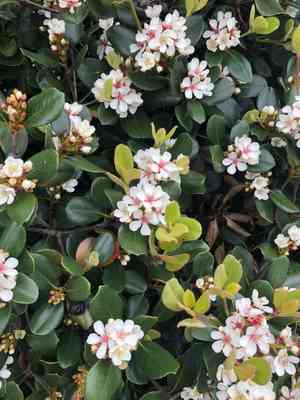
Indian hawthorn (Rhaphiolepis indica)
Also known as: India hawthorn
The Dwarf Korean Lilac (Syringa meyeri 'Palibin') is a perennial shrub that flourishes in sunny spots. Its slow growth rate means it needs minimal maintenance and retains its shape naturally. This shrub is known for its fragrant pink or white flowers, which transform into purple-black berries in the summer.
In This Article
Attributes of Indian hawthorn
Lifespan
Perennial
Plant Type
Shrub
Plant Height
4 m
Spread
90 cm to 1.8 m
Leaf Color
Green Silver Purple Brown
Flower Size
1 cm to 1.3 cm
Flower Color
White Pink
Images of Indian hawthorn
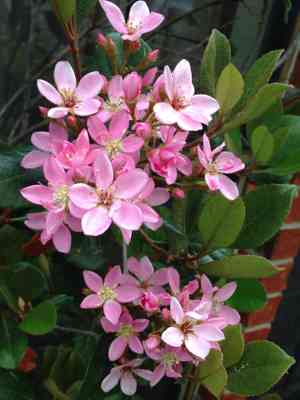
Quickly Identify Indian hawthorn
1
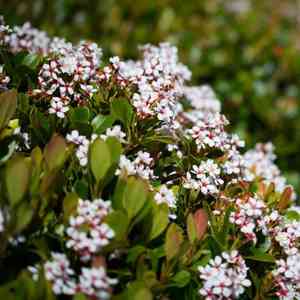
Dense, rounded form reaching 4-6 feet (1.2-1.8 meters) in height and width.
2
Leathery leaves with serrated edges, dark green with bronze tint, up to 3 inches (8 cm) long.
3
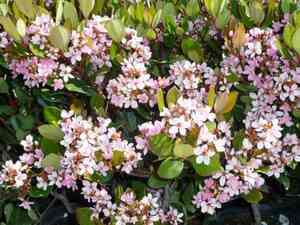
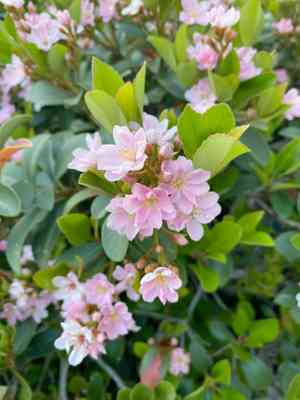
Fragrant flowers, white with pink center, 0.5 inches (1.3 cm) wide, in terminal clusters.
4
Compact berries, deep purplish-black, under 1 inch (2.54 cm) in diameter, persist through winter.
5
Stout stem with color change; young stems purplish-brown, older grayish-brown, brown twigs with grey streaks.
Scientific Classification of Indian hawthorn
Phylum
Vascular plants
Class
Dicotyledons
Order
Rosales
Family
Rose
Genus
Hawthorn
Species
Indian hawthorn
Planting and Growing of Indian hawthorn
Care Difficulty
Easy
Watering Schedule
Every 2 days
Sunlight Requirements
Full sun
Sunshine Duration
6-10 hours
Ideal Temperature
65-75℉
Soil Type
Potting Mix, Peat Mix
Soil pH
6.5-7.5
Fertilizer Type
Balanced
Pruning Season
Spring, Summer
Pruning Area
Branches, Leaves
Pruning Frequency
2 times a year
Repotting Season
Spring
Pot Type
Ceramic, Plastic
 How to Water Indian hawthorn?
For Rhaphiolepis indica, it is crucial to provide just enough water to keep the soil moist but not soggy. A good rule of thumb is to water until about 500 ml thoroughly moistens the soil, allowing the excess to drain away. This prevents the roots from sitting in water, which they greatly dislike.
More About Watering Techniques→
What are the symptoms of an underwatered Indian hawthorn?
›
What should I do if my Indian hawthorn is not getting enough water?
›
What are the symptoms of an overwatered Indian hawthorn?
›
How to save an overwatered Indian hawthorn?
›
 What Are the Sunlight Requirements for Indian hawthorn?
Rhaphiolepis indica thrives best in partial to full sunlight. With the right balance of light, it flourishes and reaches its full blooming potential, showcasing vibrant foliage throughout the year.
More About Sunlight Requirements Techniques→
What is the best lighting condition for Rhaphiolepis indica?
›
How can I ensure my Rhaphiolepis indica gets ideal light?
›
What are the benefits of giving Rhaphiolepis indica ideal lighting?
›
 What Is the Ideal Temperature Range for Indian hawthorn?
Rhaphiolepis indica thrives best in a temperature range of 65°F to 75°F. This range ensures optimal growth and flowering. During this temperature range, photosynthesis takes place efficiently, allowing the plant to develop lush foliage and healthy blooms. It's important to maintain this temperate range consistently for the best results.
 What Soil is Best for Indian hawthorn?
Rhaphiolepis indica thrives in well-drained soil conditions, ensuring that water does not stagnate and roots have access to ample oxygen. This setup prevents root rot and fosters healthy growth, particularly in variable climates. This shrub benefits from a nutrient-rich substrate, incorporating organic matter like compost to provide essential nutrients. A fertile base promotes robust foliage and vibrant blooms, enhancing the plant's ornamental value. Maintaining a pH level between 6.5 and 7.5 is ideal for optimal nutrient absorption, allowing Rhaphiolepis indica to access micronutrients effectively and bolster overall health and resilience against pests.
More About Soil→
 How to Fertilize Indian hawthorn?
For Rhaphiolepis indica, the fertilizer amount should be moderate. Use approximately one tablespoon of liquid fertilizer mixed with a gallon of water per plant, ensuring it is evenly distributed over the root area. For slow-release granular fertilizers, apply a handful around the base of each plant, but avoid direct contact with the stem.
More About Fertilizing Techniques→
 How to Prune Indian hawthorn?
To encourage a rounded, compact form, begin by trimming back long or unruly branches. Aim for a balanced look from all angles while maintaining the plant's natural shape. Identify and remove any dead or diseased wood by cutting back to healthy tissue. Make cuts at a 45-degree angle to allow water runoff and promote faster healing. After blooming, prune lightly to enhance the next season’s flowering. Cut just above the bud to stimulate new growth without sacrificing the plant’s overall bloom potential.
More About Pruning Techniques→
 How to Propagate Indian hawthorn plant?
1
For seed propagation, collect mature berries from the plant. For cuttings, select healthy, semi-hardwood branches and cut them to about 4-6 inches in length.
2
Use a well-draining potting mix for both seeds and cuttings. A mix of peat and perlite is ideal. Ensure the medium is moist but not waterlogged.
3
Sow seeds in the prepared trays, covering them lightly with soil, or insert cuttings into the medium. Keep them in a warm spot with indirect light and moist conditions.
 How to Repot Indian hawthorn plant?
1
Look for signs like roots growing out of the drainage holes or soil drying out quickly. If the plant appears to be root-bound or showing stunted growth, it's time to consider repotting. Repotting in spring or autumn provides ideal growing conditions for recovery.
2
Choose a pot that is one size larger than the current pot and has adequate drainage holes. A slightly larger pot prevents excessive water retention while allowing roots to spread comfortably, reducing the risk of root rot and encouraging healthy growth.
3
Use a well-draining sandy mix, ideally with a balance of organic matter for nutrients. This soil type provides the right aeration and moisture level, ensuring the roots do not stay too wet, which helps prevent root diseases and promotes vigorous growth.



